


 English
 中文简体
中文简体 русский
 عربى
عربى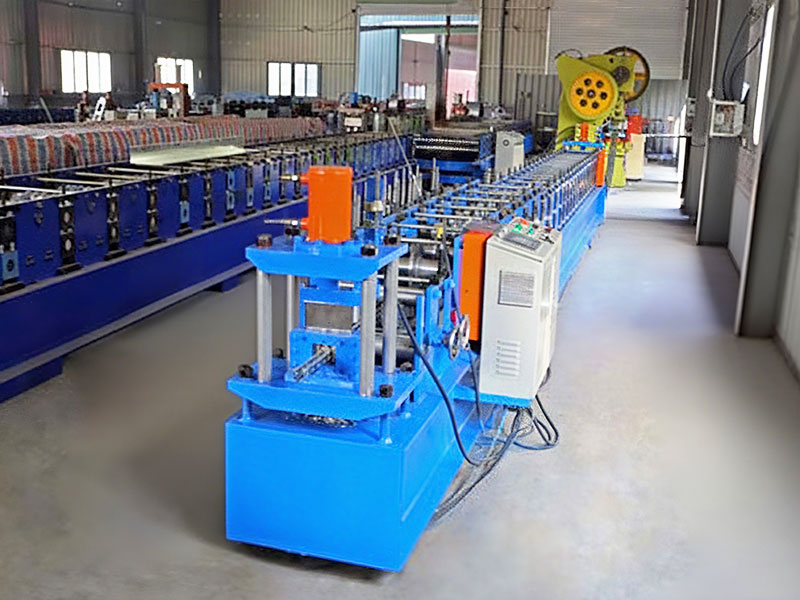
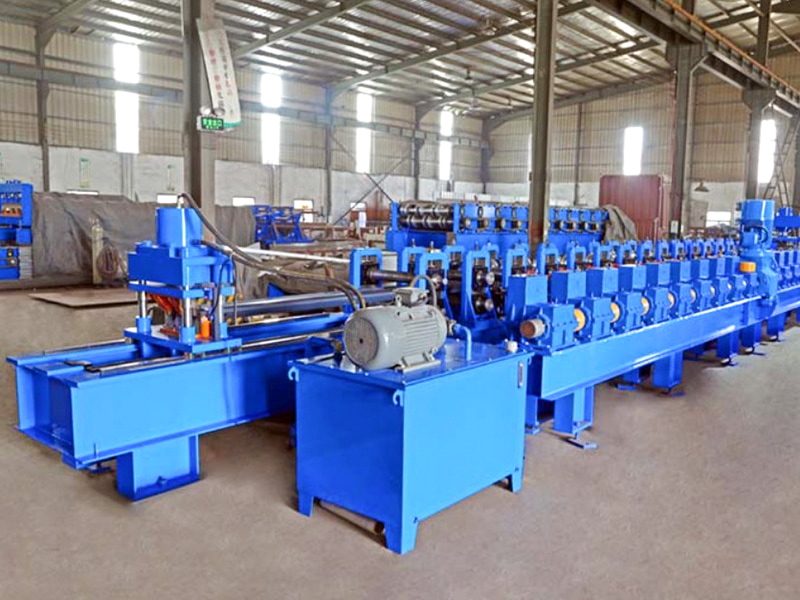
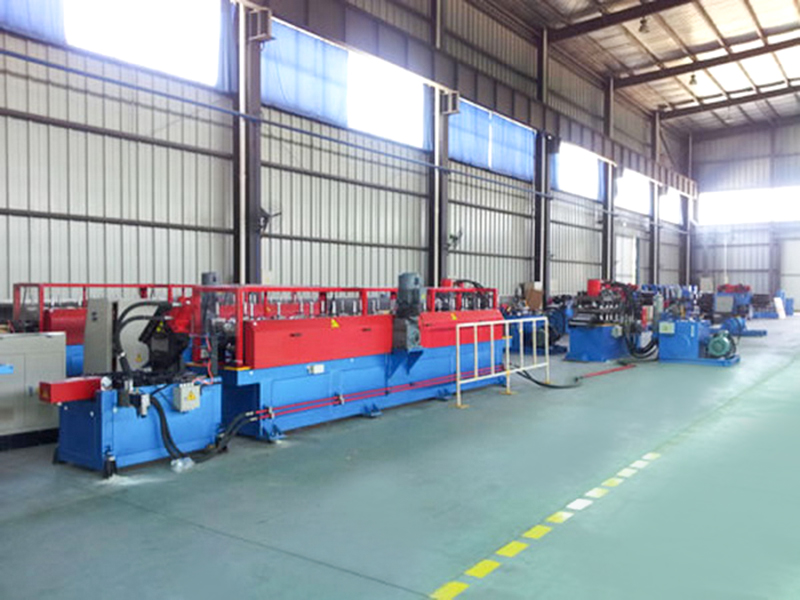
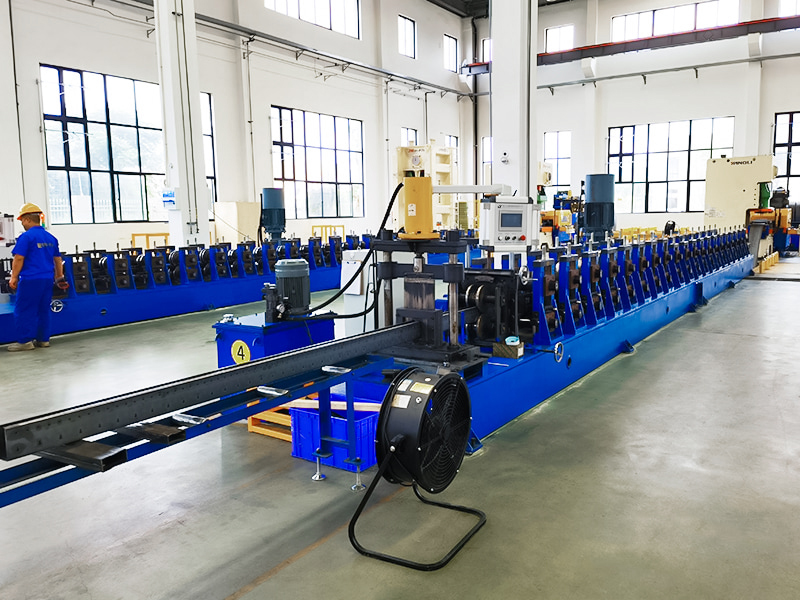
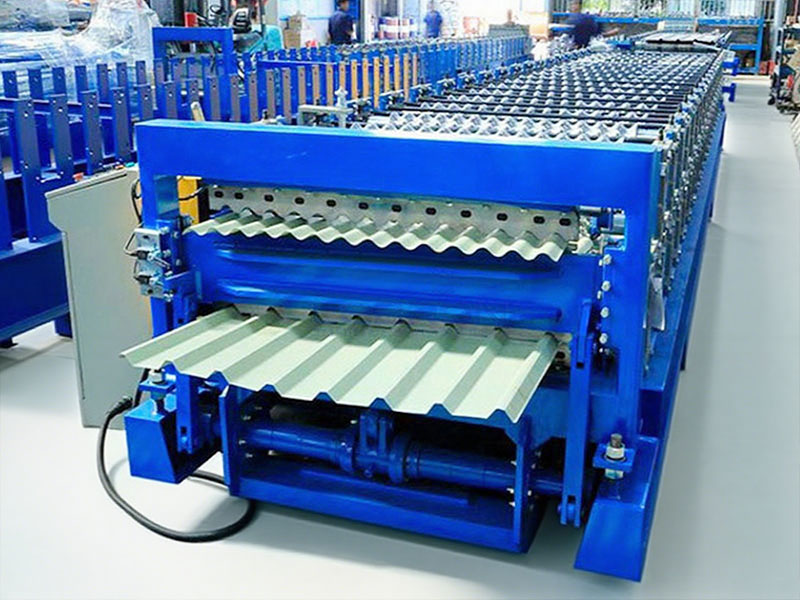
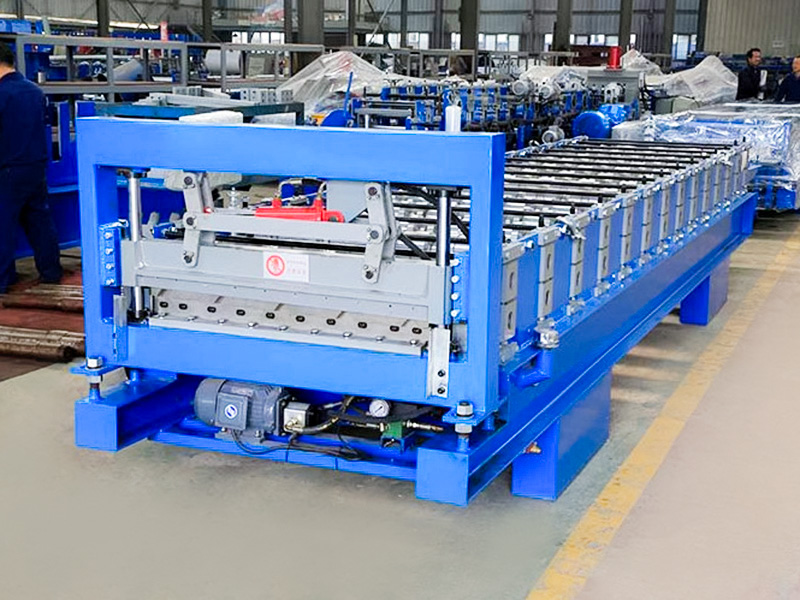
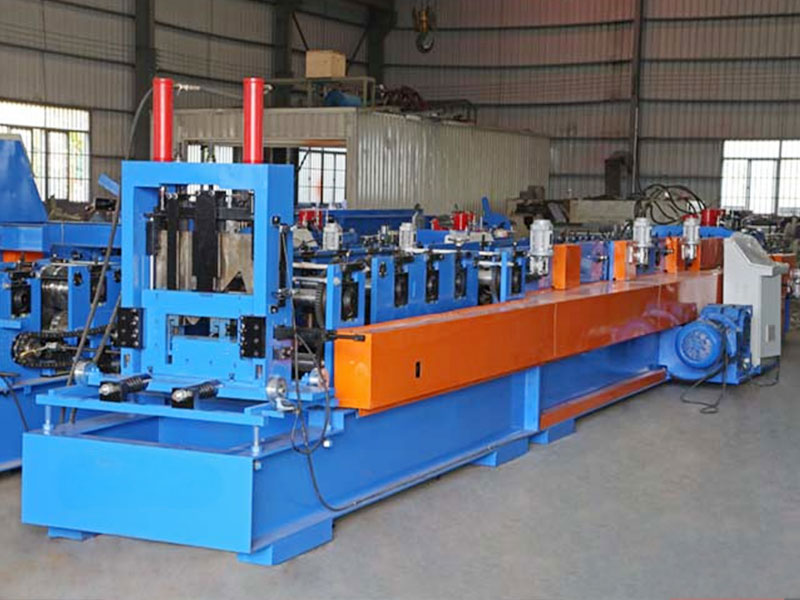
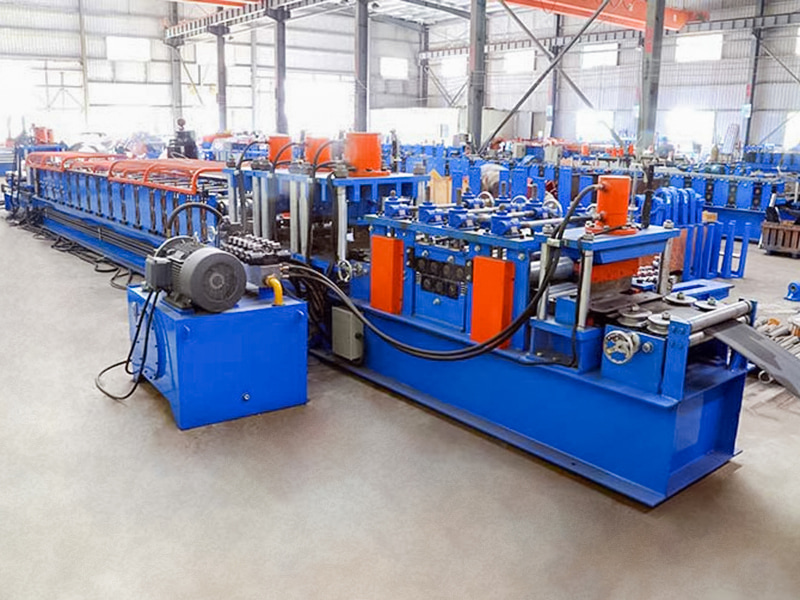
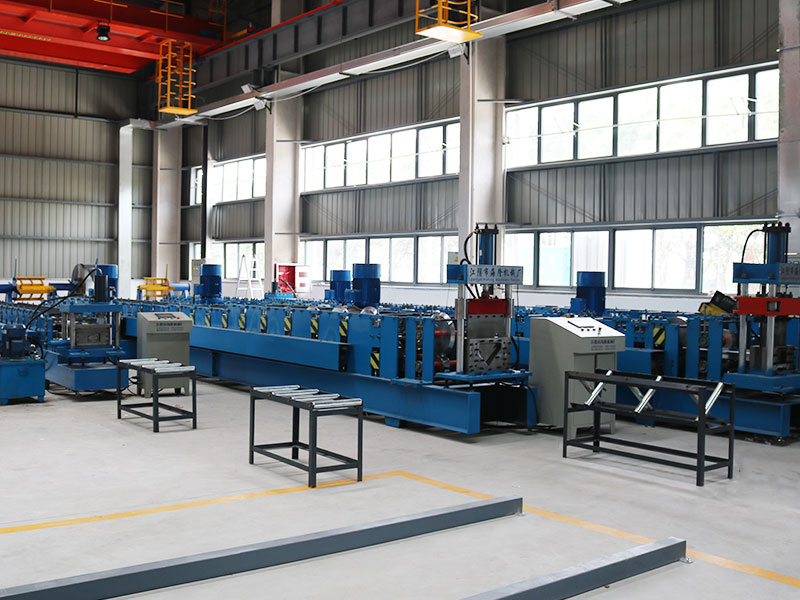
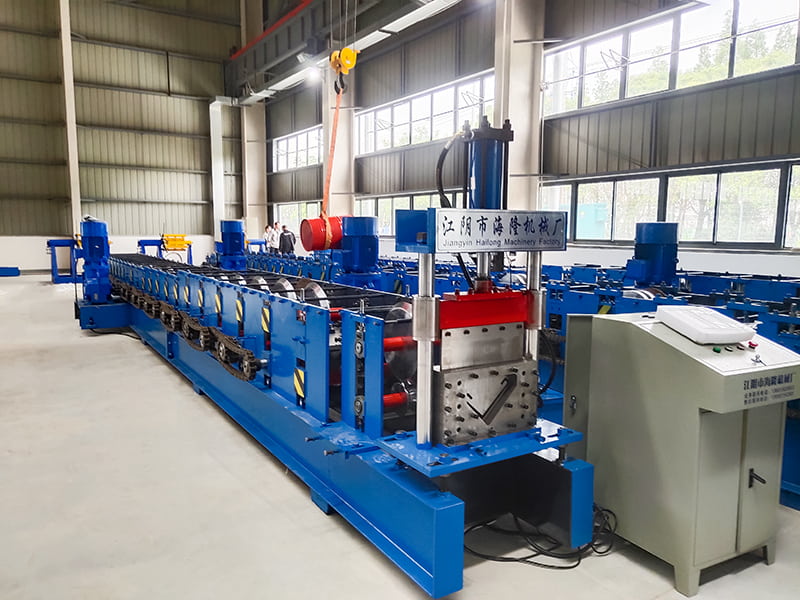
YX25-820 Easy To Install PV Tile Roll Forming Machine
The PV tile roll forming machine is a highly automated, continuous production facility designed to directly process aluminum-magnesium-manganese alloy...

The PV tile roll forming machine is a highly specialized cold roll forming equipment, which is specially used for the continuous production of building roof tiles (i.E. Photovoltaic tiles) integrated with photovoltaic (solar) power generation functions. It combines the cold roll forming technology of traditional metal roofs with the integration process of photovoltaic modules, and is a key production equipment in the field of building-integrated photovoltaics (BIPV).
Target products and core functions:
target product: photovoltaic tiles. This is not an ordinary tile, but a building material that encapsulates solar cell chips (such as silicon-based cells or thin-film cells) in or on a metal tile substrate of a specific shape and structure, and has both building enclosure (waterproof, windproof, decorative) and solar power generation functions.
Core functions:
1) Precisely cold roll forming metal coils (commonly used almgmn alloys, aluminum-zinc-coated steel sheets, and other lightweight, corrosion-resistant, and conductive materials) into designed tile sections (such as wavy, trapezoidal, flat, etc.)
2) Precisely integrate photovoltaic chips/laminates into the tile structure during or before and after the forming process, and ensure safe and reliable electrical connections.
3) Ensure that the finished product meets building specifications (strength, waterproof, fireproof) and photovoltaic standards (electrical safety, power generation efficiency, durability)
Core requirements and technical difficulties:
1) Precision molding and positioning: The shape accuracy of the metal substrate directly affects the fit, sealing, and heat dissipation of the photovoltaic module.
2) The placement accuracy of the photovoltaic module must reach the millimeter level.
3) Lossless integration: The stress generated by the cold bending process, the temperature and pressure of the lamination process must be strictly controlled, and the brittle solar cell chips must not be damaged.
4) Reliable packaging: The packaging layer must provide long-term (more than 25 years) waterproof, moisture-proof, insulation, and weather resistance to protect the photovoltaic chip from environmental erosion.
5) Electrical safety: Ensure that all electrical connections are reliably insulated and meet building electrical safety standards (such as fire rating, insulation resistance, and withstand voltage test)
6) Efficiency and yield: The integration process is complex, and the process needs to be optimized to ensure production efficiency and product yield, and control costs.
7) Heat dissipation design: The molding structure needs to consider providing a good heat dissipation channel for the photovoltaic cell to avoid high temperature, causing efficiency decline and accelerated aging.
Advantages:
1) Achieve large-scale production of BIPV: Provide efficient and standardized core building materials for photovoltaic building integration.
2) Fusion of beauty and function: The appearance of the produced photovoltaic tiles is coordinated with traditional tiles, which does not destroy the beauty of the building and generates electricity at the same time.
3) High integration and reliability: Factory prefabrication and integration, more controllable quality, more reliable, more beautiful, and maintenance costs may be lower than on-site photovoltaic panels (bapv)
4) Save installation costs: Photovoltaic tiles have both roofing materials and power generation unit functions, and complete two tasks in one installation.
Application scenarios:
1) Photovoltaic tile manufacturing factory: Specialized in the production of various types of BIPV photovoltaic tiles.
2) New or renovated roofs of high-end residences, villas, commercial buildings, and public facilities: projects that pursue the combination of architectural beauty and green energy.
3) Historical protection areas or specific planning areas with strict requirements on the appearance of buildings.
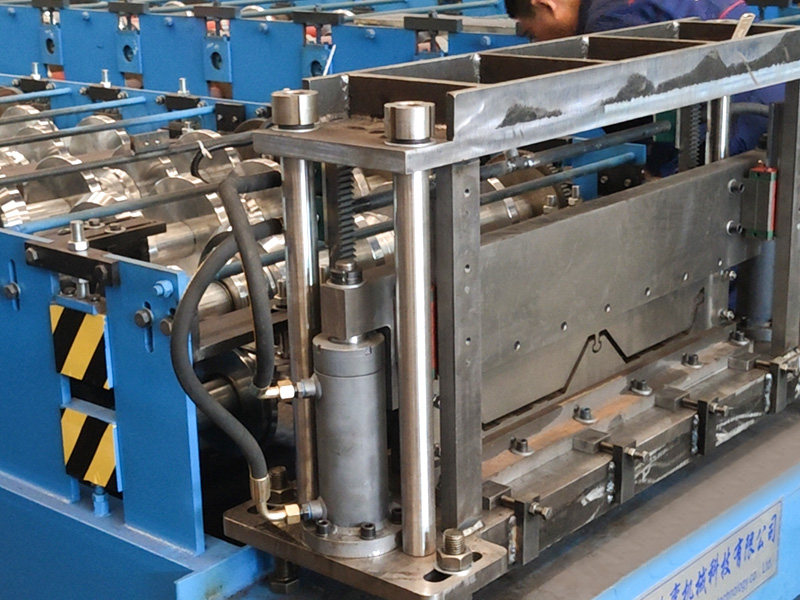
The PV tile roll forming machine is a highly automated, continuous production facility designed to directly process aluminum-magnesium-manganese alloy...
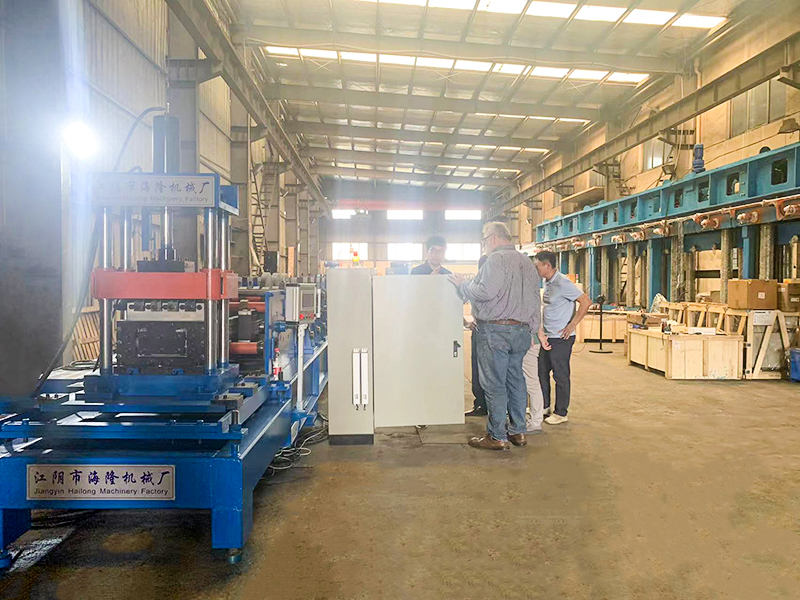
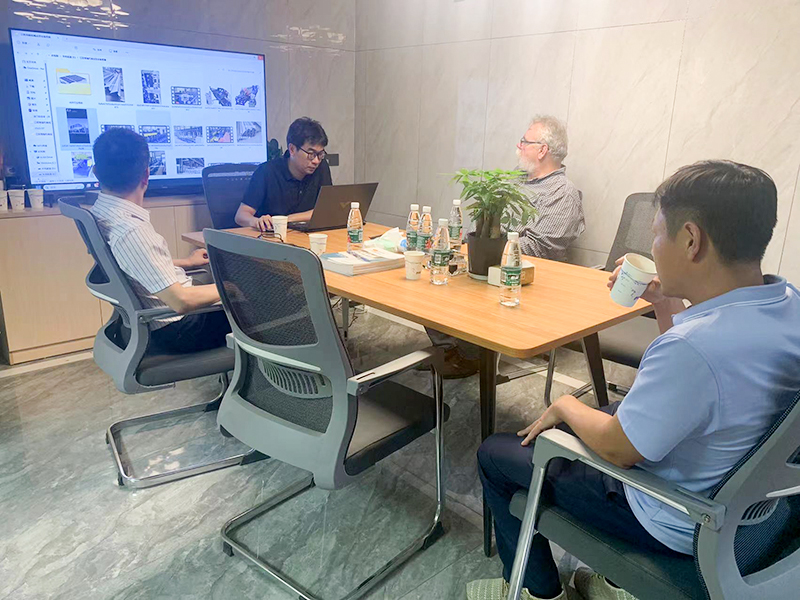
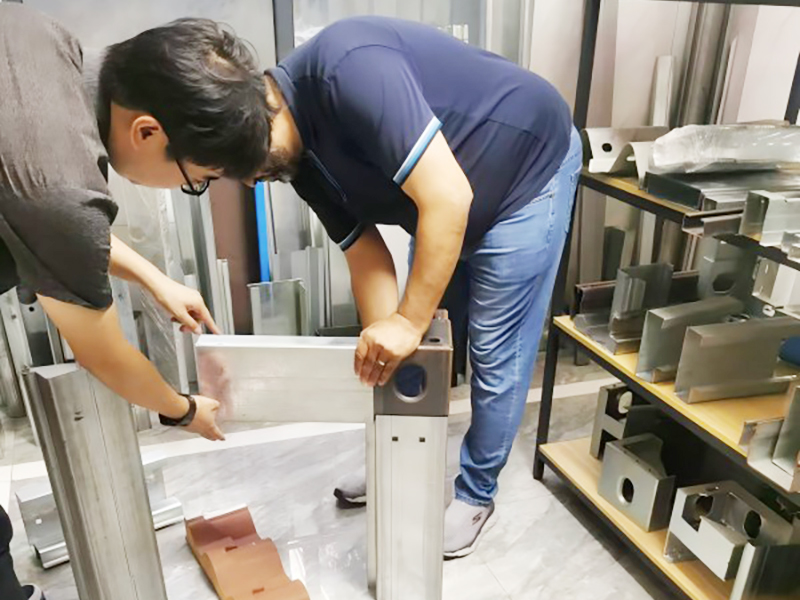
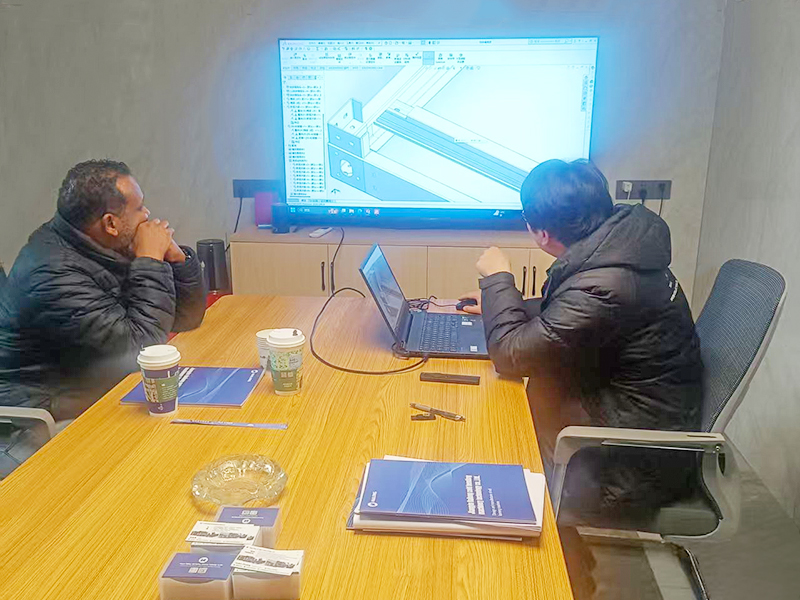
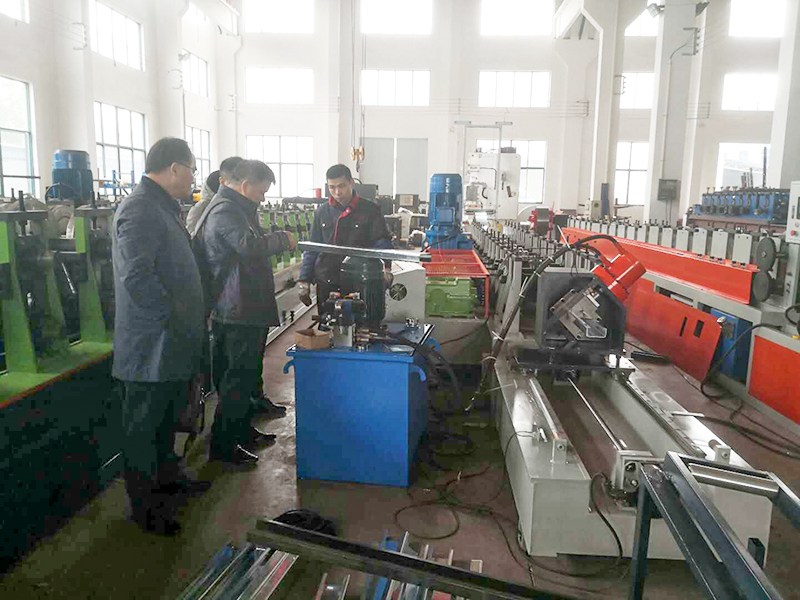
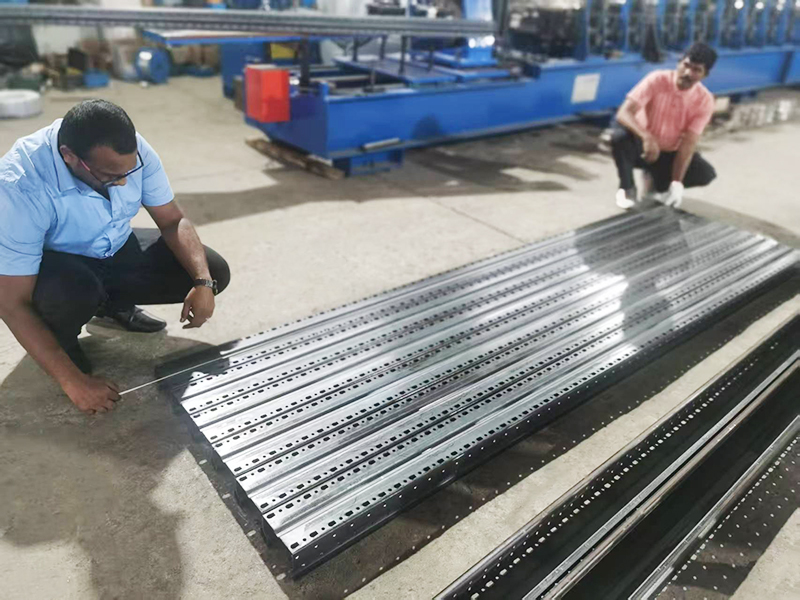
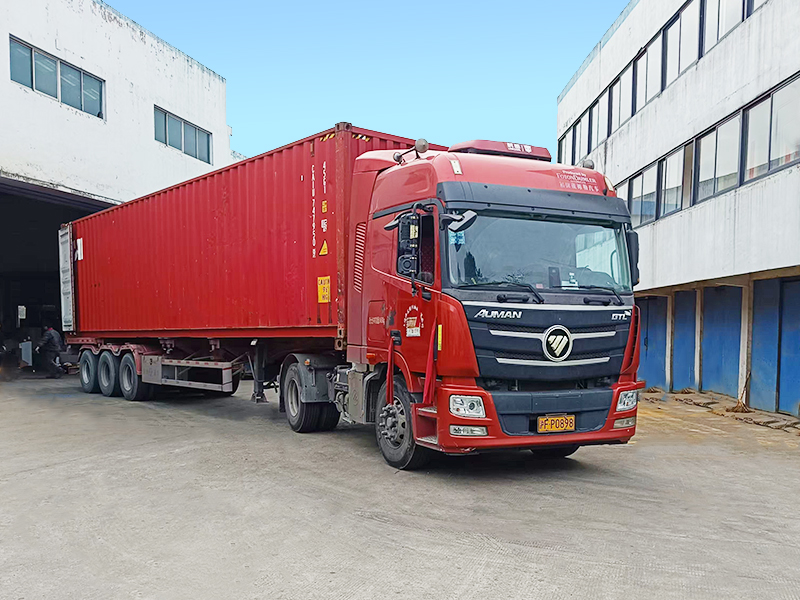
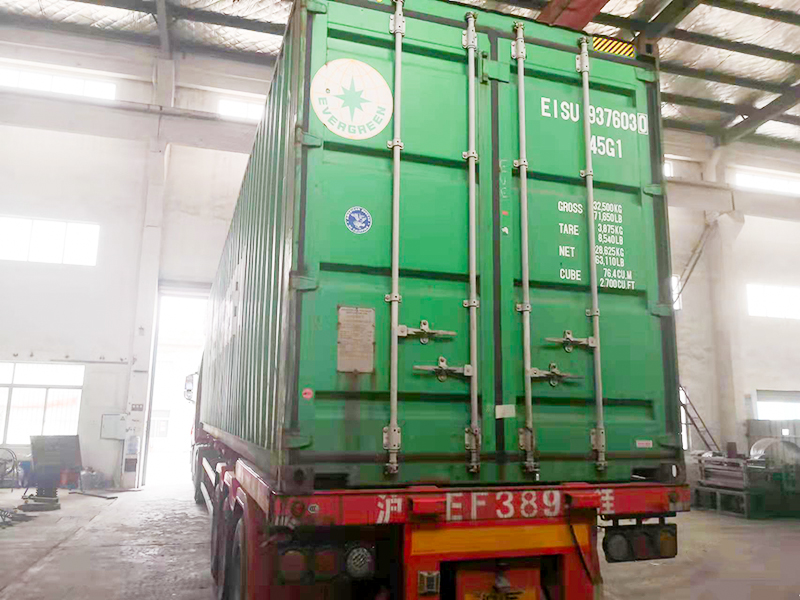
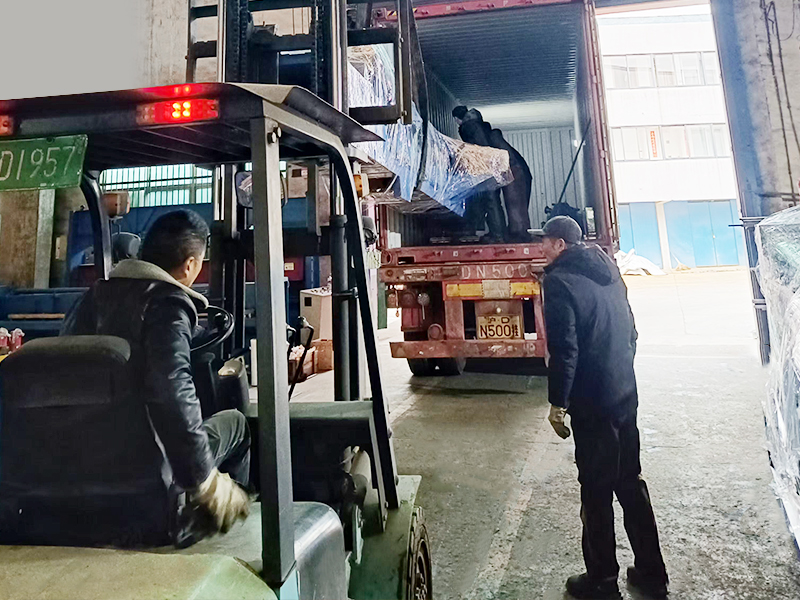
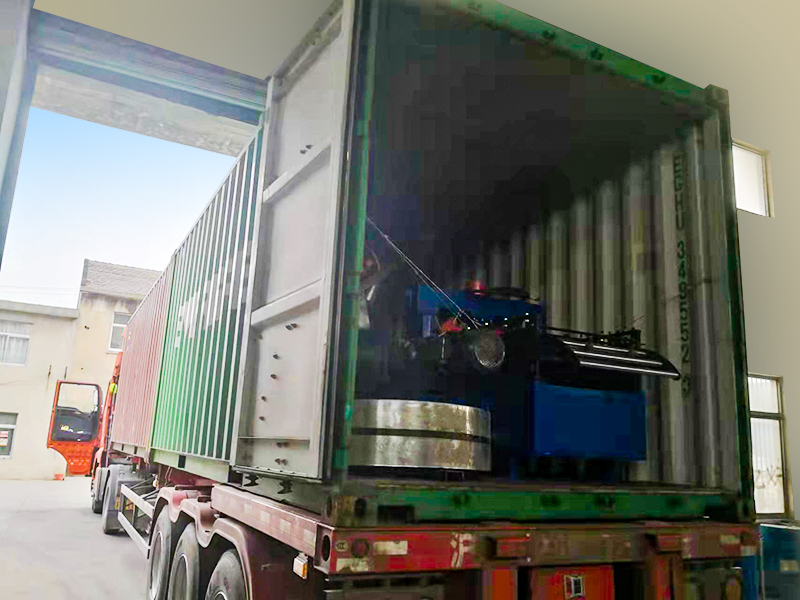
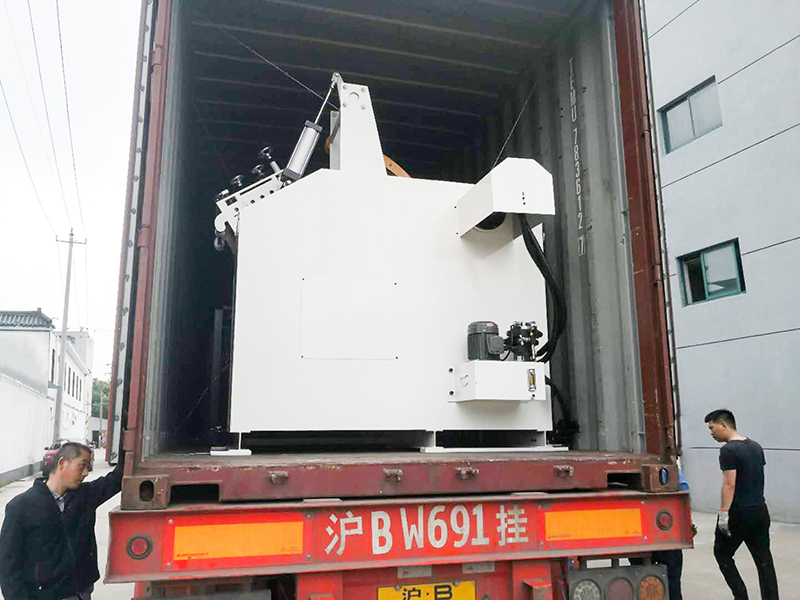
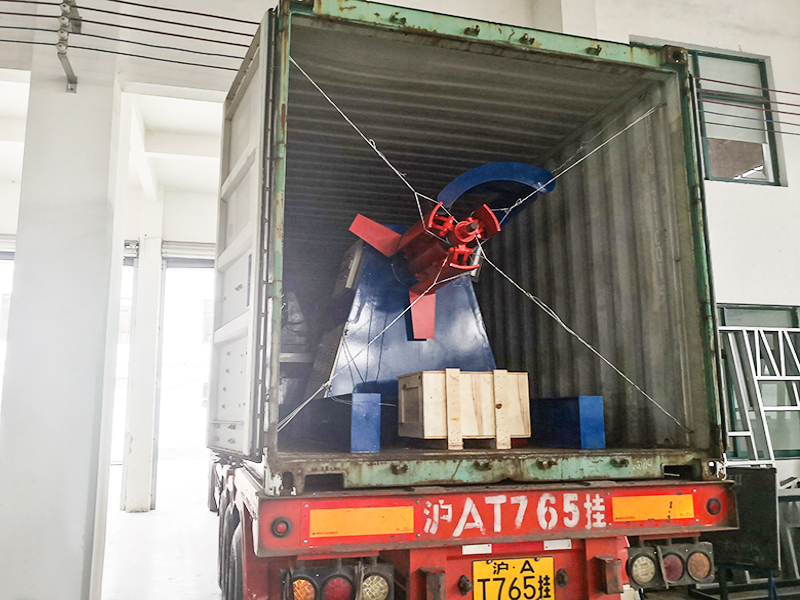
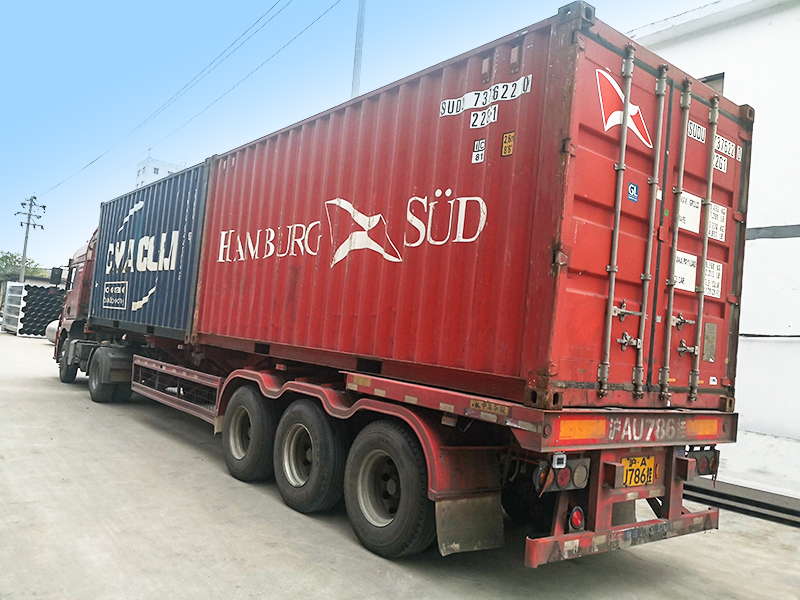
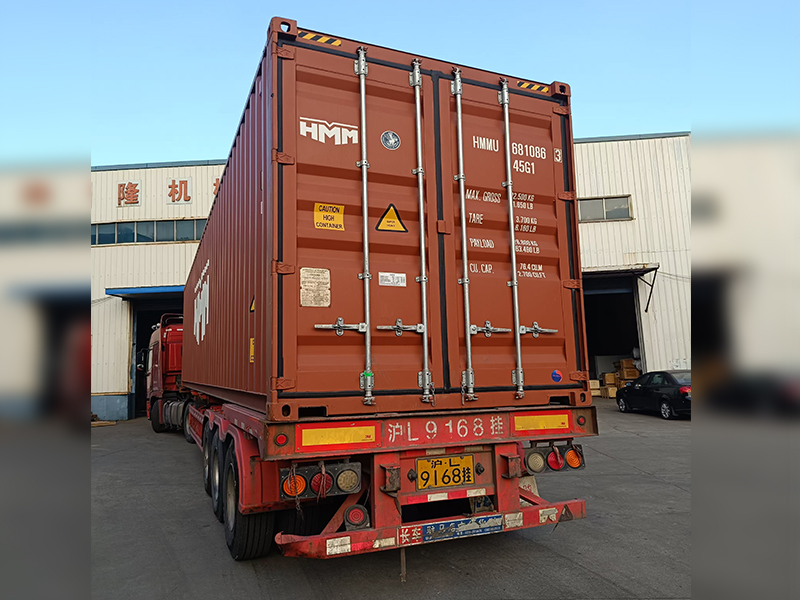


“The machine itself has been well built. It’s very nice. Having said that I would like you to design another mill to roll 1.5 to 3mm. The type would be exactly the same as this one with the same pre punching. Need the mill to be more heavy duty.”

“Thank you, my friend. We will do some more good business next year. My son has started a business selling machining tools and parts so this is something you could look to supply.”

“Your machine is on site already. It’s well. I will send you some pictures when I am there. Thank you for the kind gifts.”

“Thank you my true friend! You’re an awesome friend! Regarding to a new IBR machine, we are planning to get another one but not yet, we are expecting for a production line contract and until don’t negotiate we cannot expand our plant.”
“Thank you so much for the assistance and ur time am very happy to see this machine now. It’s so good. I would need to buy if I want to make something else, like maybe steel windows.”

“ok....great! This is going to be a long relationship from this machine. We want to have the long relationship with you so that any future machine investment we have can come to u!”

“Yes, many thanks for your help. Now we are with our money machine, as you said. Within 2 months, we plan to buy a new U-channel forming machine. Let me think about this matter.”

Hailong is our number one choice when we require a new roll forming machine, as their machines are well made, stable, long lasting and user friendly. We are very happy with the service & products we received from Hailong.
There are many manufacturers of roll forming equipment, and whether it is a roof panel roll forming machine or a profile roll forming machine, their maintenance requirements are very similar. Follow t...
READ MOREAfter one to two years of normal use, a roll forming machine will need to replace some wearing parts, such as bearings and chains. However, users may find that some parts are difficult to source. This...
READ MOREThe oil tank level should be above the centerline of the oil level line to prevent the oil pump from removing impurities through the air filter during refueling. Do not arbitrarily increase the press...
READ MOREDuring the operation of a roofing sheet forming machine, special attention must be paid to maintenance to ensure safe and stable operation, without disrupting normal production, and maximizing the lif...
READ MOREThe roll forming machine's mainframe consists of a frame, an unwinding device, and a guide device. The quality of the frame's installation ensures that the steel coils do not deviate during the roll f...
READ MORERoll forming machines are machines that can be directly integrated into production lines and play a crucial role in material processing. In practical applications, roll forming machines adhere to the ...
READ MOREFirst, the control system for a double-layer roll forming machine is available in manual and automatic modes. Manual operation uses inching to load the steel plate and perform zero-position calibratio...
READ MORECluster roll set Process Roll forming is, among the manufacturing processes, one of the simplest. It typically begins with a large coil of sheet metal, between 1 inch (2.5 cm) and 20 inches (51 cm). i...
READ MORERoll Forming Machine Overview (1) Roll Forming Bending Along Rollers Roll forming, also known as roll forming, is a rolling process that continuously bends a long strip of metal sheet (usually coil...
READ MOREWhen communicating with new buyers, we often hear that the equipment they ordered developed various problems after being in their factory for a period of time, but they were unable to resolve them. So...
READ MORECold-formed steel has long played an important role in practical applications. Continuous roll forming processes have also gradually emerged, leading to the industrialization of cold-formed steel prod...
READ MORERoofing sheet roll forming machines are designed and manufactured specifically for the production of various metal tiles. The equipment primarily includes an unwinder, straightening device, guides, ro...
READ MORECold-formed steel is a finished steel material, mainly used to make light steel structures. Its cross-section can be various complex shapes, and the strength of the steel can be improved through the c...
READ MOREDuring operation, the CZ Purlin Roll Forming Machine requires careful care and maintenance to ensure safe and stable operation, without disrupting normal production, and to maximize the equipment's se...
READ MORESustainable development is our current goal. Solar energy is a clean energy source. When using solar energy, high-quality solar mounting must be installed, and the quality of the mounting system also ...
READ MORECurrently, there are a wide variety of roll forming machines on the market, along with numerous roll forming machine manufacturers and suppliers. As consumers, we should consider the following when ch...
READ MOREOften, we buy things simply because they fit. The same principle applies to buying a roll forming machine. So, how do we choose the right roll forming machine? To answer this question, we need to anal...
READ MOREWhen purchasing a roll forming machine, customers often consider price. So, how do manufacturers determine pricing? What factors influence the price of a machine? I've been in this industry for many y...
READ MORECold roll forming is a forming craft that continuously forms the metal sheet. Feeding the metal sheet through the continuous roll forming by the front rollers, up rollers, below rollers, and even the ...
READ MORE

Copyright ©Jiangyin Hailong Machinery Factory All rights reserved
