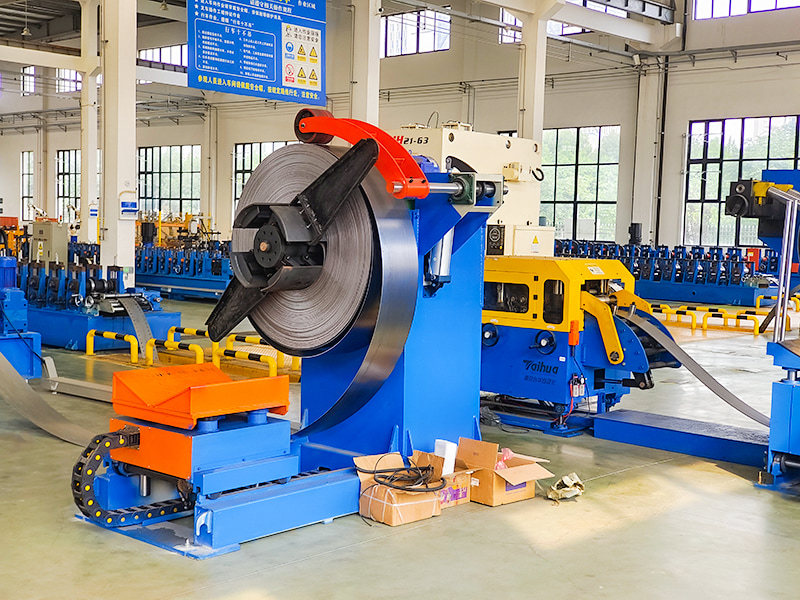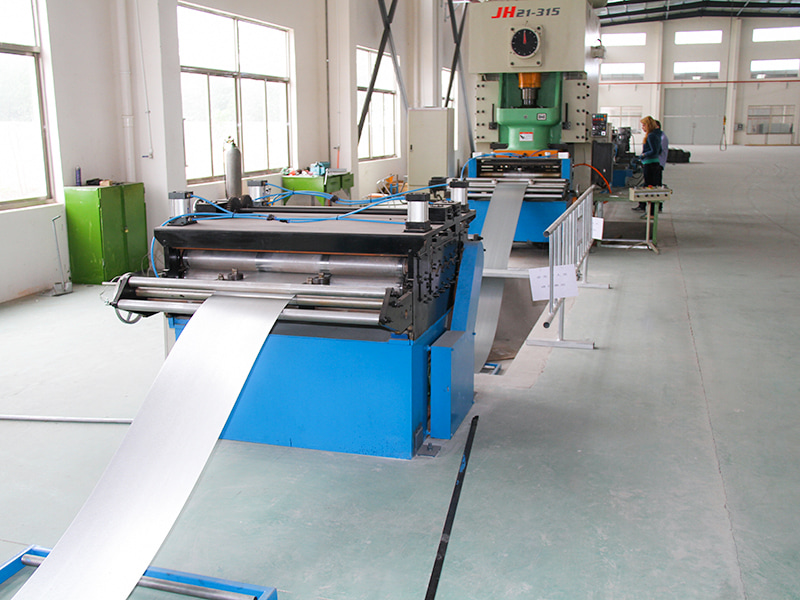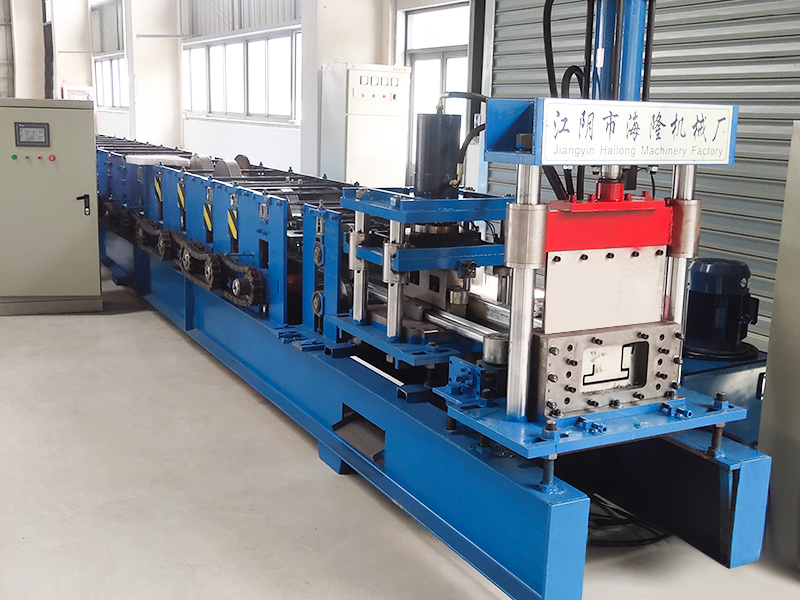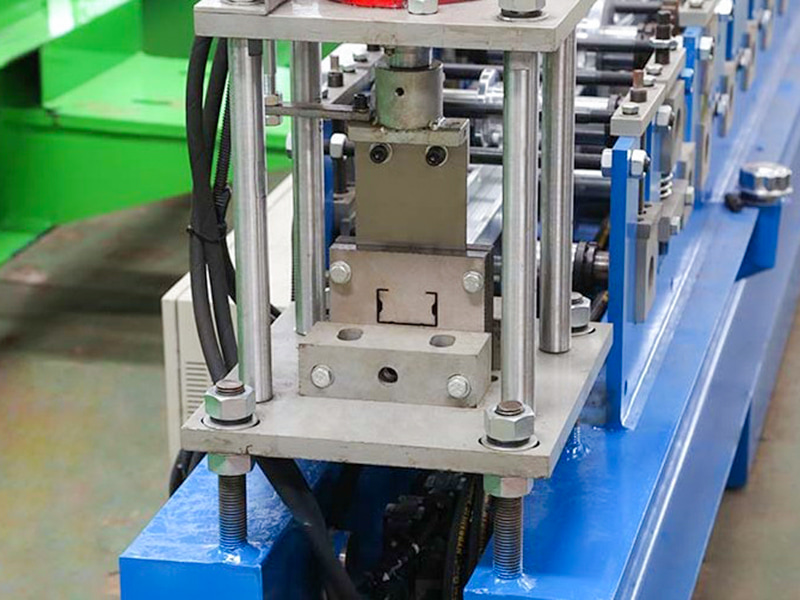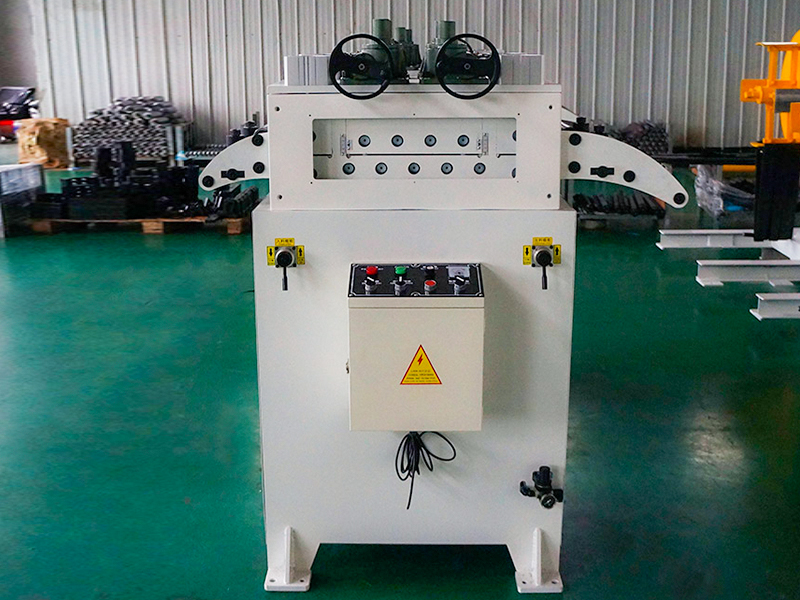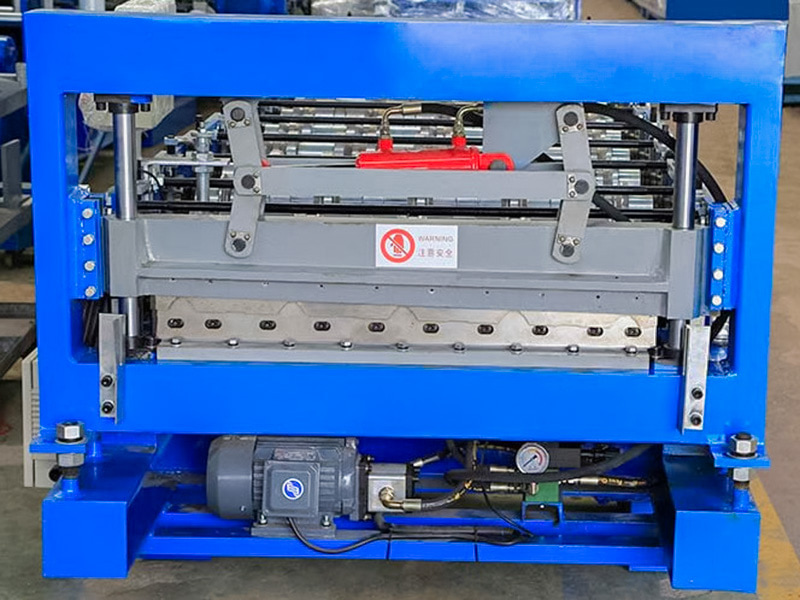
Run a mill-fresh coil straight into a forming machine and the problems appear within the first hundred meters of strip: blanks that bow after shearing, edges that ripple, and finished profiles that never sit square in the assembly. Coil processing exists to prevent exactly that. It is the group of operations — uncoili...
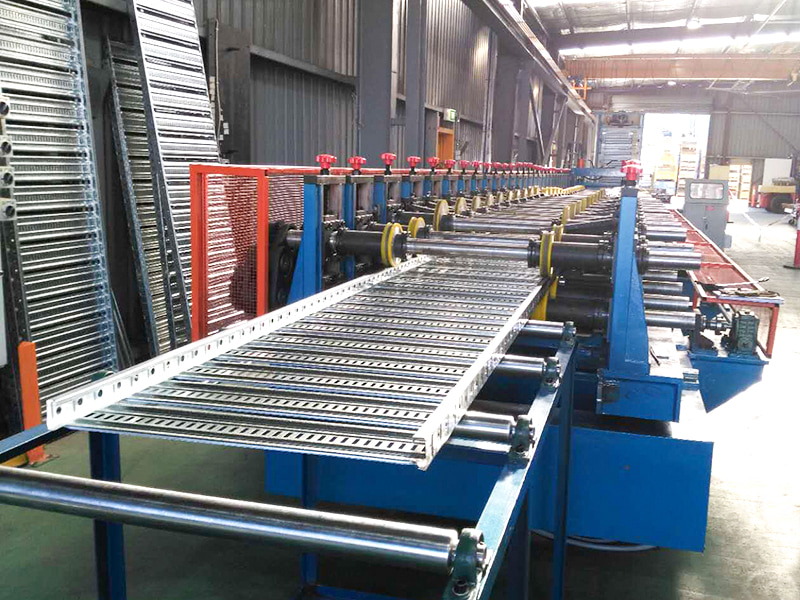
A contractor who buys purlins pays for the section, the freight, and somebody else's margin. A fabricator who installs a roll forming line pays for steel coils and produces the same section at 15 to 25 meters per minute — punched, cut to length, and stacked — for the next decade or more. That gap in cost per ton is wh...
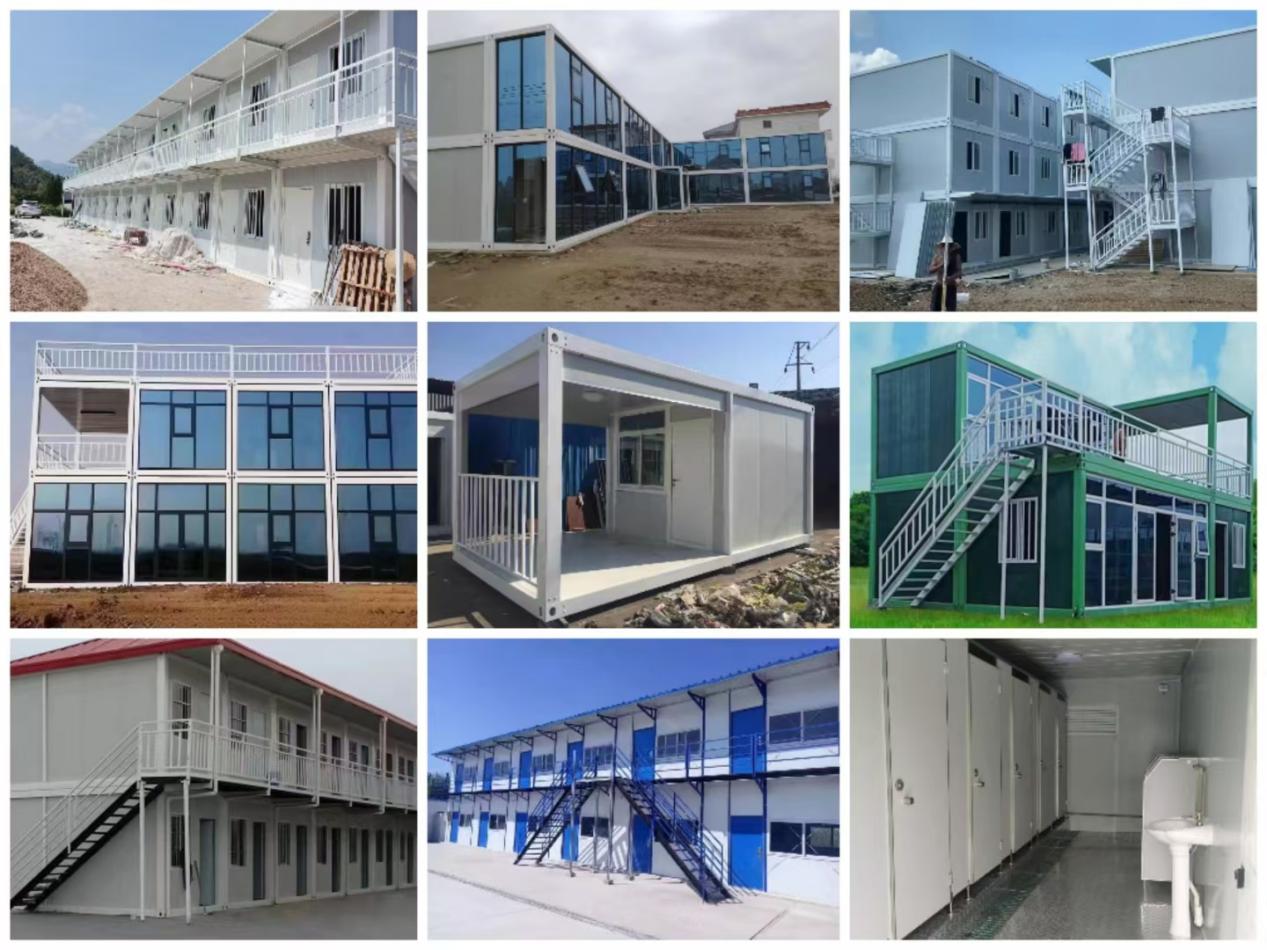
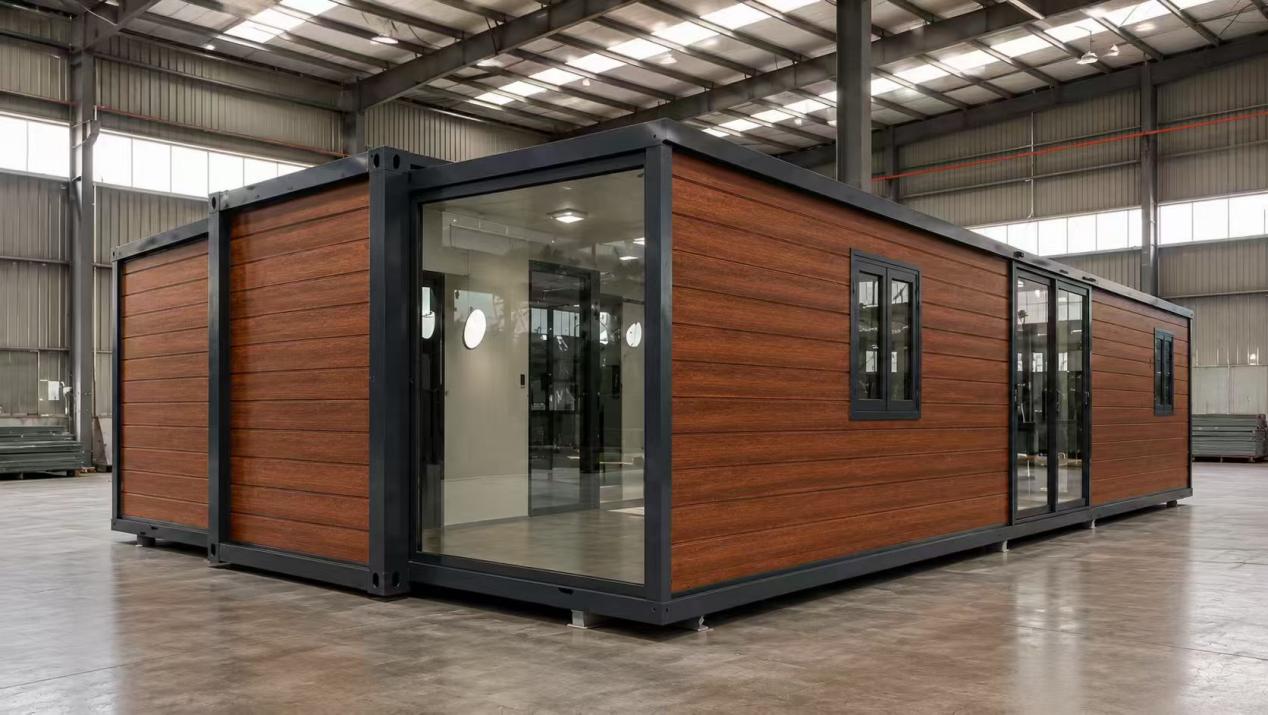
As prefabricated construction and green building gain widespread adoption, Detachable Container Houses have become highly sought-after products in the current construction market.
Their advantages: rapid assembly, mobility, recyclability, excellent cost-effectiveness--have led to their extensive use in fields such as ...
A fabricator running solar mounting rails noticed that profile width drifted by nearly 2 mm from coil start to coil end. The steel grade had not changed, the punching dies were fresh, and the line speed was untouched. Yet the rails no longer slid into the end clamps. The culprit was not the metal alone. It was the int...
With the growing popularity of prefabricated construction and green building concepts, container-based modular units are widely used in sectors such as temporary construction facilities, cultural tourism and homestays, commercial pop-up venues, and emergency shelters, thanks to their advantages of rapid assembly, mobi...
Most production managers realize they need a metal sheet roll forming machine only after they have sold a profile and tried to source it. The machine takes a flat coil of steel or aluminum and forms it into a continuous section with multiple pairs of rollers, so the finished sheet is consistent. The key point to under...
Buying a purlin roll forming machine comes down to one practical conclusion: the right line is the one that matches the profile family you sell, the steel grade and thickness you process, and the output rhythm of your workshop. Everything else - roll tooling details, punching options, and PLC settings - follows from t...
The Real-World Trigger for In-House Decking Production
A commercial framing contractor waits three weeks for a truckload of B-deck, only to discover the delivered profile is 2 mm out of tolerance. That single delay pushes the entire job schedule back, erodes the margin, and strains client trust. When decking availabil...
With the rapid evolution of modern construction technology, prefabricated modular housing, valued for its fast assembly, eco-friendliness, energy efficiency, and reusability, is increasingly used for temporary construction-site facilities, scenic-area guesthouses, offices, and emergency housing.
So, how do you select ...
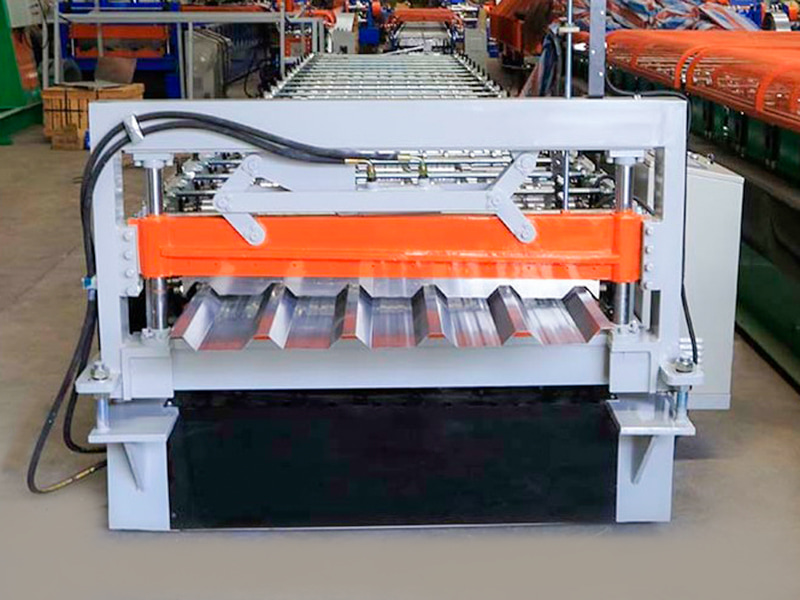
An IBR sheet that fails a wind-load test on a warehouse roof often traces its weakness back to one decision: the roll forming machine that produced it. A machine with insufficient frame rigidity or worn forming rolls will imprint every flaw onto the finished profile long before the sheet leaves the factory. Selecting ...
The cold-formed steel industry shipped an estimated 18 million metric tons globally in 2025, and purlins—the horizontal structural members that support roof and wall cladding—account for roughly 30% of that volume. Every warehouse, factory, aircraft hangar, and steel-framed commercial building depends on purlins to tr...
Container markets represent a burgeoning trend across major cities nationwide, serving as key destinations for consumer activity. Far more than simple marketplaces, they act as hubs where food, art, culture, and social interaction converge. As an innovative commercial format, container markets have benefited from suppo...