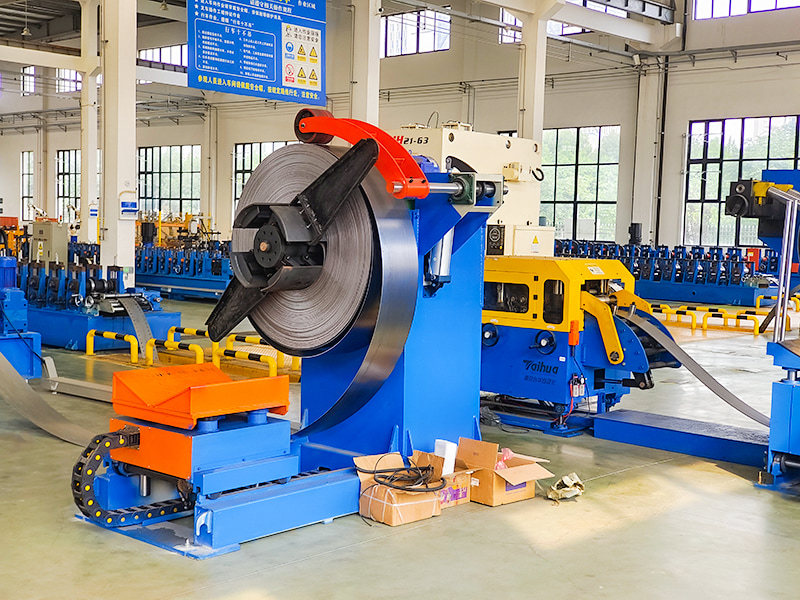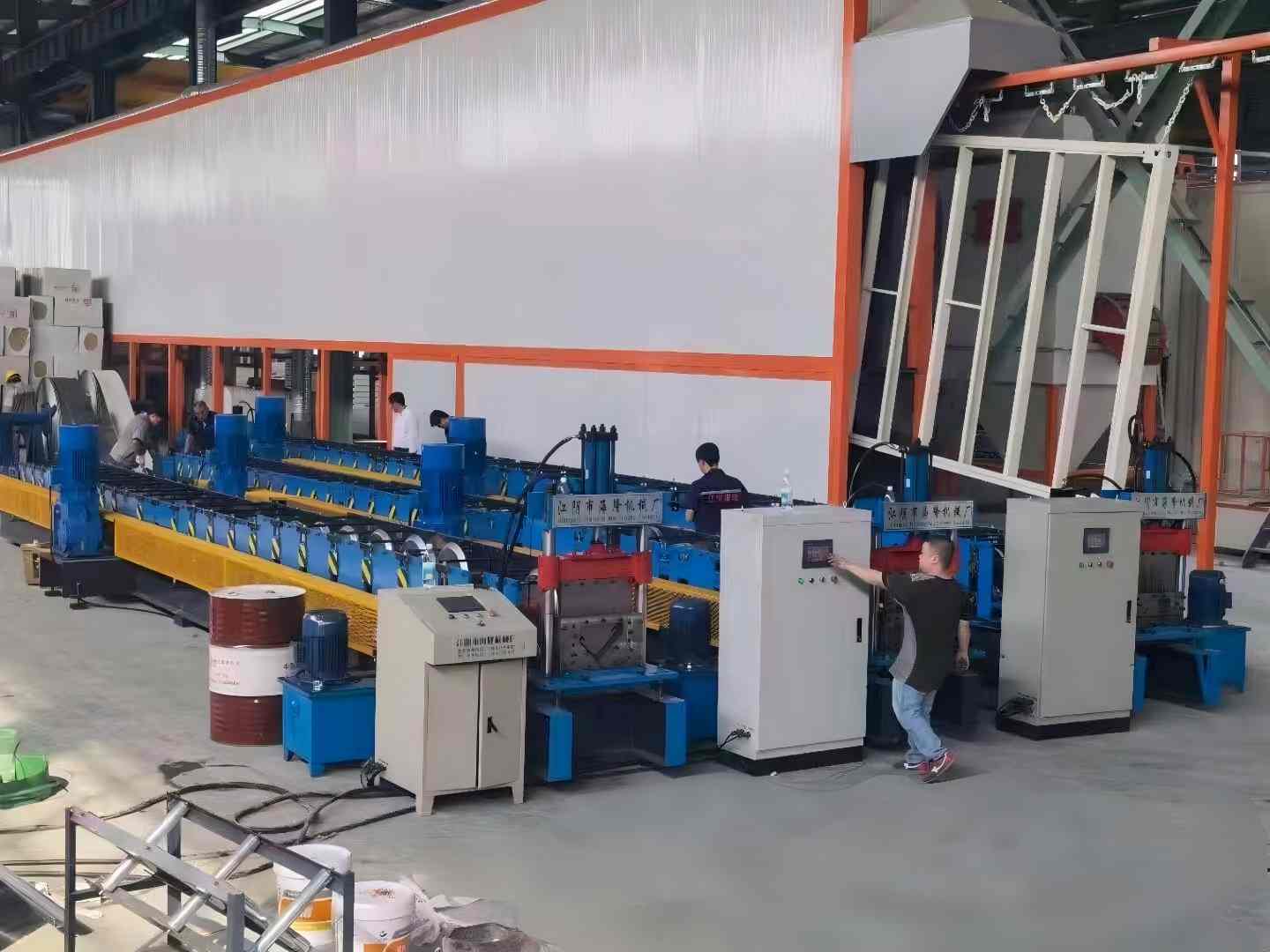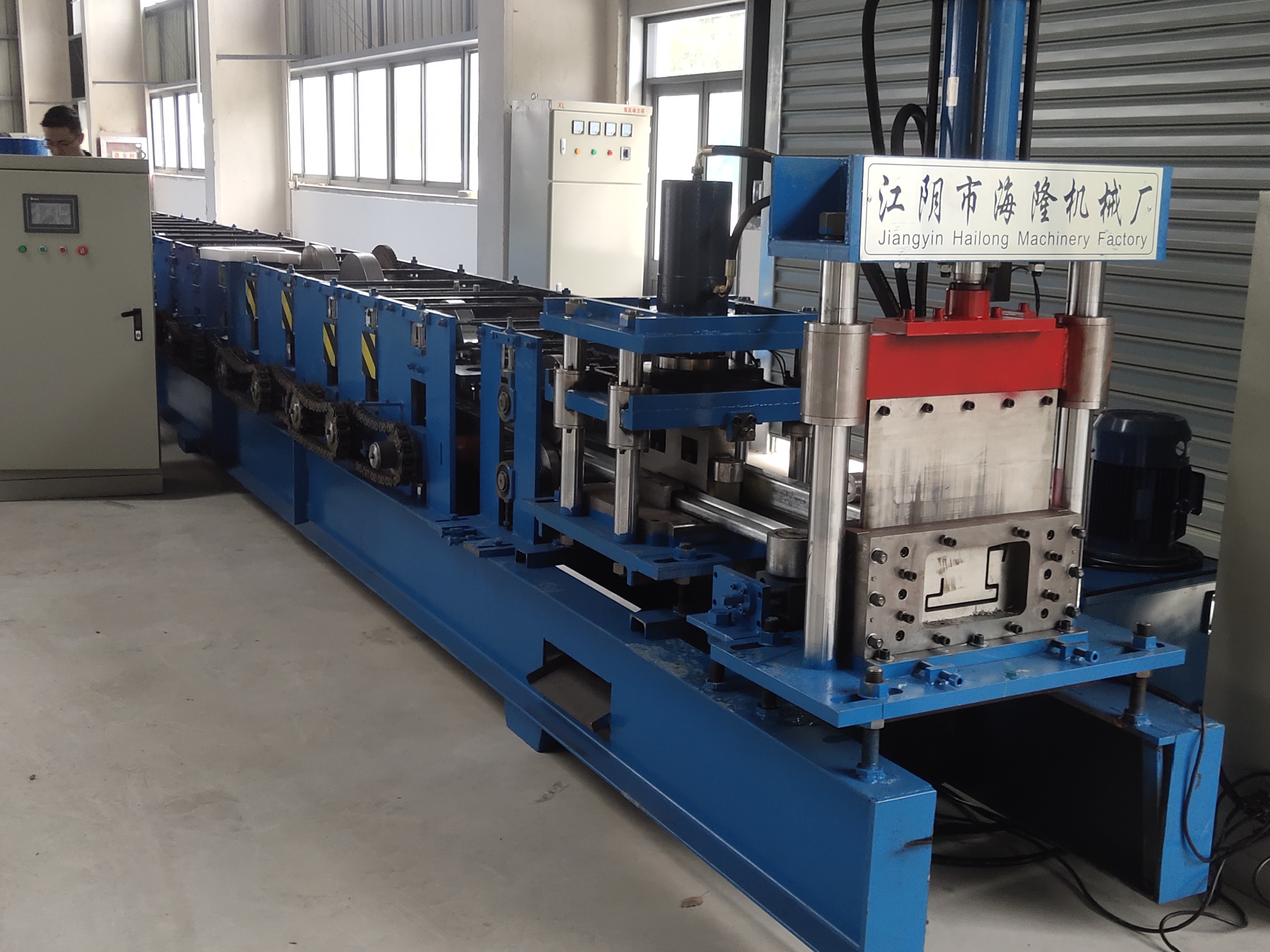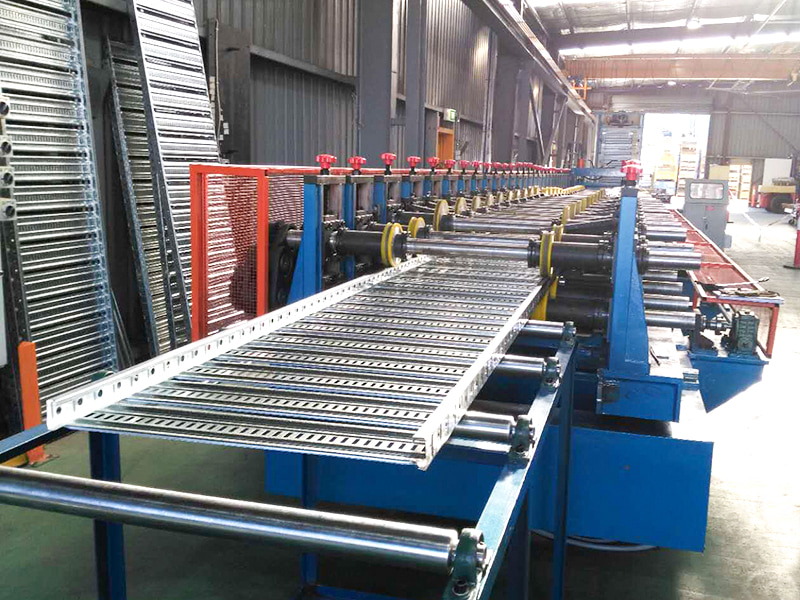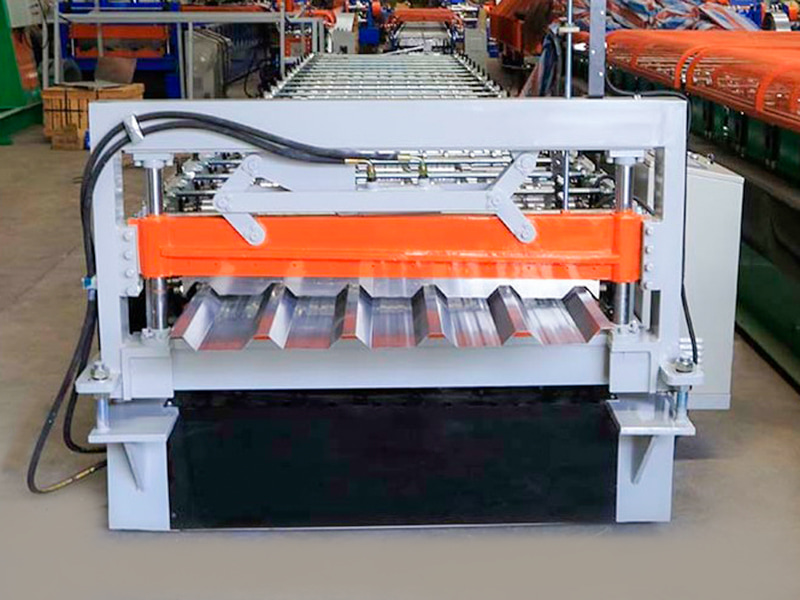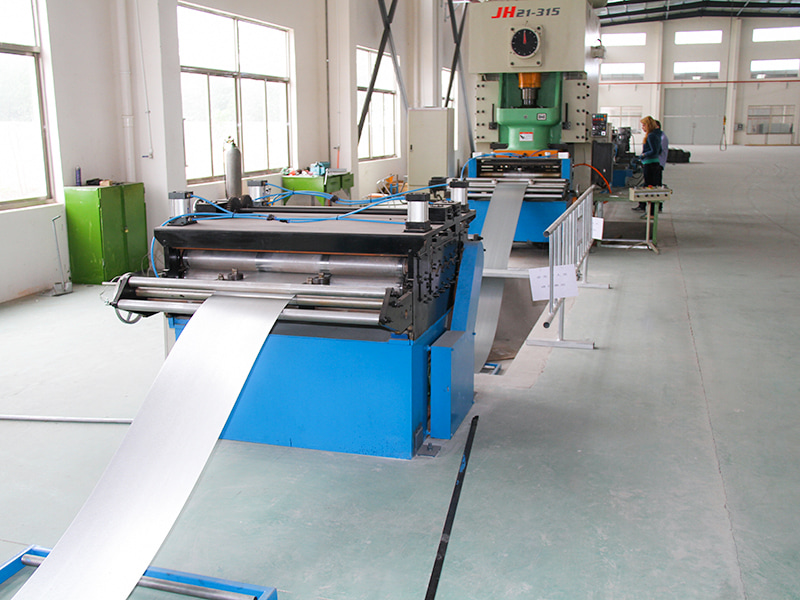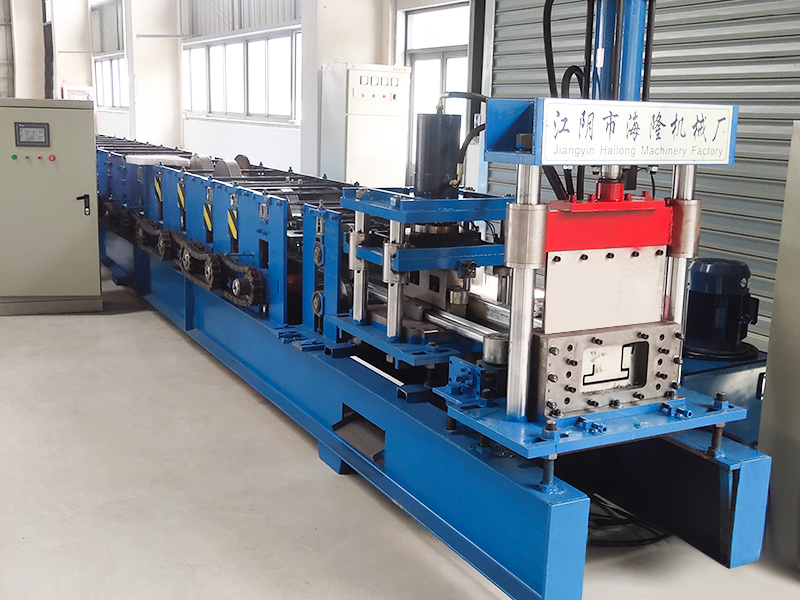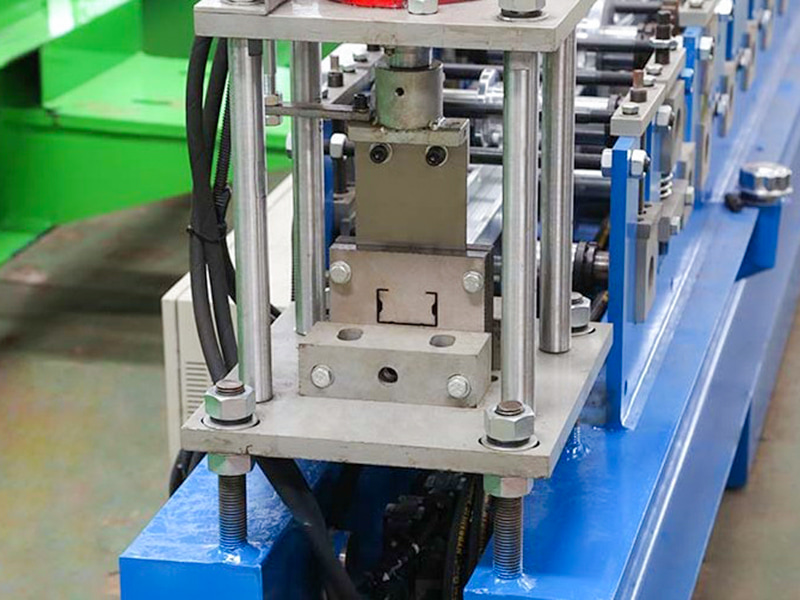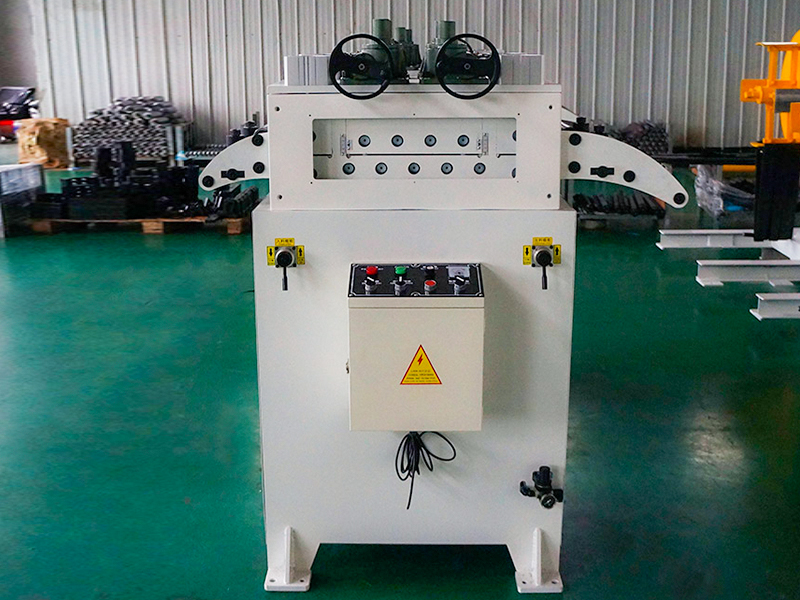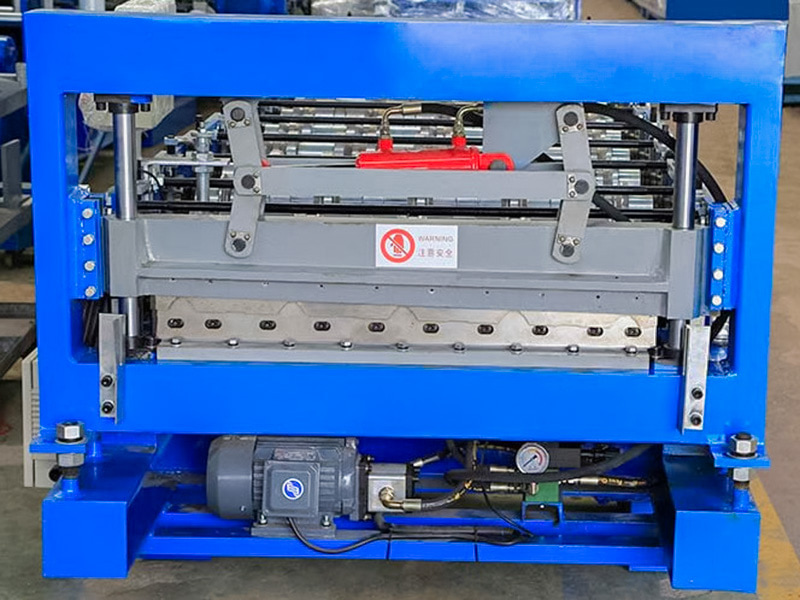
Steel structure buildings live or die by their secondary framing. Roof loads, wind uplift, and panel weight all travel through one critical component before reaching the primary frame: the purlin. Choosing the wrong purlin roll forming machine — or a machine that can't keep pace with project volume — means bottlenecks...
A detachable container house is a steel-framed facility whose main body is constructed in a standardized factory workshop. Its primary structure utilizes a container frame, enabling mass production through precision welding and modular assembly. All components are prefabricated at the factory and, once transported to t...
Detachable Container Houses are steel-structure buildings with main frameworks constructed within standardized factory workshops. Their primary structure utilizes a container-style frame, enabling mass production through precision welding and modular assembly. All components are prefabricated at the factory and, once ...
Operational Efficiency of C Purlin Production Lines
A high-performance C purlin roll forming machine typically achieves production speeds between 15 and 25 meters per minute, allowing a single shift to produce enough structural supports for approximately 500-800 square meters of roofing or wall cladding. These machine...
Core Advantages of Modern Roll Forming Technology
Metal profile roll forming machines provide the most cost-effective solution for high-volume production of consistent structural components, achieving speeds up to 60 meters per minute with tolerances within ±1mm. Unlike traditional press braking, which processes mater...
The Strategic Value of Automated Purlin Production
Investing in a high-quality purlin roll forming machine is the most effective way to reduce structural steel fabrication costs by up to 30% while maintaining consistent profile accuracy. These machines transform flat steel coils into precise C or Z-shaped structural s...
What standards must a qualified container house satisfy? This article outlines the key criteria across four dimensions—structural integrity, fire safety, general safety, and environmental protection—for your reference.
1. Structural Design
1). Strength Requirements: A container house must be capable of withstanding spe...
Earthquakes, wars, or extreme weather events often inflict massive destruction upon people's living environments, sometimes even endangering human lives. Once the critical "golden window" for immediate rescue operations has passed, the key metric for evaluating the efficiency of humanitarian aid organizations lies in t...
In our previous article, we explained why container homes are gradually emerging as the preferred solution for post-disaster emergency response worldwide—primarily due to several unique advantages they possess. In addition to the two key strengths we previously highlighted—"Robust Protection" and "Rapid Response"—this ...
Preface: At a large logistics park construction site in Jeddah, Saudi Arabia, 120 modular housing units sprang up in just three days; meanwhile, at a nearby tourist resort, 50 exquisitely designed guest rooms were "unpacked" and assembled from standard shipping containers. These represent two of the most vivid applicat...
"Continuing from the previous article":
3. Construction Speed Analysis: The Economics of Time Costs
Based on our practical experience and observations within the Saudi market, time often represents the most expensive cost in major infrastructure projects across Saudi Arabia.
Flat-pack container houses possess an overwh...
"Continuing from the previous article":
Finally, let us compare the two options using actual case studies from our operations in the Saudi market:
For a petrochemical project located in Saudi Arabia’s Jubail Industrial City, we supplied 300 detachable container houses. Since the project site was situated in a remote ar...