


 English
 中文简体
中文简体 русский
 عربى
عربىYX66-470 Highly Specific Standing Seam Roll Forming Machine
Compared with the common roofing sheet roll forming machine, the standing seam roll forming machine has a smaller body size, but the rolling tools are...
See DetailContent
The inquiry comes up almost every month: a metal fabricator has been producing the same U-channel on a press brake, cutting 3-meter blanks one by one, punching two holes, then bending each piece manually. Volume has risen to the point where the line cannot keep up, bend widths vary between operators, and rejects are quietly eating the margin. The request is always the same — we need the same profile, but faster, and we want the holes and notches already in it when it comes off the line. Custom roll forming is the direct answer to that scenario. A series of roll stands progressively bends a strip of coil steel as it moves through the machine, with punching, notching and cutting integrated at the right points. Whenever the cross-section stays constant along the part and the monthly quantity justifies tooling, the cost per part drops well below press-brake production, and the dimensional consistency improves.
The reason is simple: roll forming is a continuous process, not a sequence of discrete operations. Each stand bends the material a few degrees, the strip moves at a steady speed, and the finished profile is produced in one pass. But the result depends heavily on how the tooling is designed, how the bends are sequenced, and which machine concept the supplier proposes. Understanding the fundamentals of custom roll forming makes it far easier to ask useful questions and to avoid buying a line that needs months of debugging before it reaches the promised speed.
A standard roll former is built around a catalog profile: C purlin, CZ purlin, IBR roofing sheet, floor decking, or a similar section with a fixed geometry. A custom machine takes a profile you supply, and the manufacturer designs the entire forming line around that single cross-section. The roll set, the bending sequence, the punching layout and the cutoff method are all developed for one specific part.
Three things separate a custom project from a standard purchase:
Roll forming also has a favorable cost structure compared with other processes. It starts from coil stock rather than cut sheets, which reduces scrap; it does not require heating, which saves energy; and its tooling cost is far below stamping dies or extrusion tooling. The typical range where custom roll forming wins is between the low volumes that suit a press brake or a folding machine and the enormous volumes that justify extrusion or a dedicated stamping line. That middle zone covers most structural building components, roofing accessories, racking uprights, solar mounting channels and container house sections.
Before requesting a quotation, it is wise to check the part design against a few proven rules. Some profiles are straightforward; others develop wrinkles, springback or edge cracks no matter how accurately the machine is built. The difference usually lies in the geometry, the material, and the tolerance expectations.
The position of every bend matters. Symmetrical profiles are easier to form because the forming forces balance left and right. If a profile is asymmetrical, the tooling must compensate with guide rollers and adjusted roll clearances — a normal practice for an experienced manufacturer, but one that adds design effort. The bend radius is equally important: forming too tightly can crack the coating or the base material. A practical rule of thumb for most structural steels is a minimum bend radius of one to two times the material thickness, but the material supplier's recommendations always take precedence.
The number of bends determines the number of roll stations. Each pair of rolls usually makes one or two bends, and a complex profile may need 12 to 18 stations. More stations increase the cost and floor space, but they also reduce the risk of distortion and springback. That trade-off should be discussed in the design review, not discovered during commissioning.
Custom roll forming lines routinely handle mild steel, galvanized steel, aluminum, stainless steel and prepainted materials. A practical thickness range for the types of machines discussed here is roughly 0.4 to 3.0 mm, depending on the profile. Each material brings its own constraints:
Roll forming is a very stable process, but it is not a precision grinding operation. If a buyer asks for ±0.1 mm over the full length of a 6-meter profile, the correct answer is usually a supplementary straightening or machining step, not a promise from a sales brochure. Realistic expectations for a well-designed custom line are shown in the table below.
| Measured feature | Common standard tolerance | Good achievable tolerance |
|---|---|---|
| Profile width | ±1.0 mm | ±0.5 mm |
| Bend position along the strip | ±0.8 mm | ±0.3 mm |
| Hole or notch position | ±0.5 mm | ±0.2 mm |
| Cut length | ±3.0 mm | ±1.0 mm |
| Twist or bow over 3 m | 5.0 mm maximum | 2.0 mm maximum |
Tolerance is not a single number — it changes with the thickness, the width of the strip, the number of bends and the position of the feature being measured. Ask the supplier how they verified the figures on machines already in production, and treat those results, not the marketing material, as the binding reference.
Most custom profiles need holes, slots or notches for assembly. In purlins, those are bolt holes for rod bracing; in solar strut channels, they are mounting slots; in container house beams, they are cutouts for frame connections. The design choice is between pre-punching and post-punching. Pre-punching, which forms the holes in the flat strip before bending, is usually preferred because the die is simple and the distance between the hole and the bend line stays under control. Post-punching is used when the hole sits on a sloping wall of the profile or when the bending operation would distort the opening. A servo-driven punching unit that is synchronized with the strip speed keeps the hole pitch accurate along the entire length — one of the key differences between a properly engineered custom line and a standard machine with a punching press bolted on.
Once the profile design is fixed, the attention shifts to the machine itself. Running a custom profile at 10 to 20 m/min is not difficult for the forming process; the harder task is keeping the strip flat, the holes aligned and the cut square at that speed.
A concise explanation of how a roll forming machine is built and how its main components work together is available in the equipment introduction, which is a practical starting point before you send the first inquiry to a supplier.
The clearest way to judge whether a custom machine makes sense is to look at real applications and see what the line must deliver.
In roofing and building envelopes, a designer may need a trapezoidal profile with a deeper stiffening rib, a wider coverage width, or an edge geometry that improves water drainage. Those requirements cannot be met with a standard catalog profile. A machine built specifically for high-speed roofing sheet production puts the custom profile into full-volume manufacturing while keeping the pitch and edge height consistent.
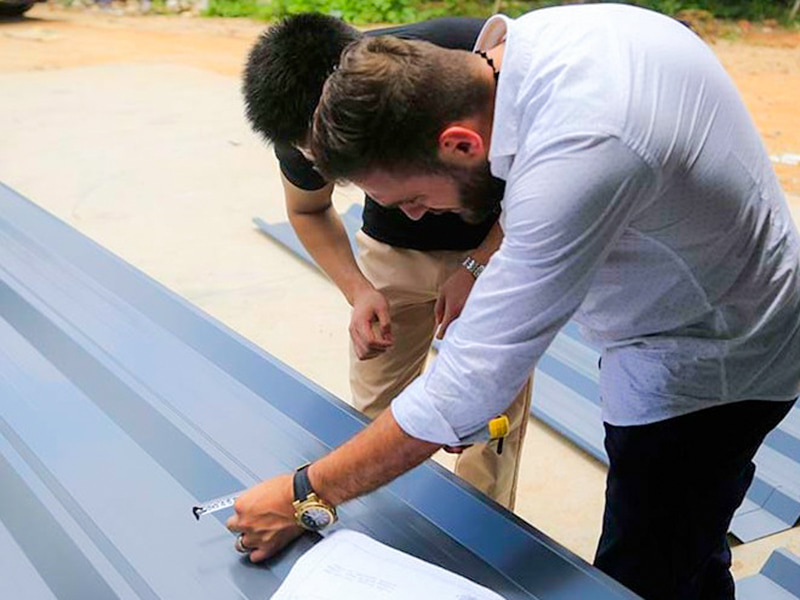 High Speed Roofing Sheet Roll Forming Machine for Custom ProfilesThis machine enables high-speed production of custom trapezoidal roofing profiles with precise control of pitch and edge height, suitable for large-scale building envelope projects requiring consistent geometry.View Product →
In logistics and agriculture, pallet profiles and racking uprights often include complex embossed holes that improve stackability or locking. The volumes are high enough that a custom line with the correct punching layout pays off quickly. A pallet profile roll forming machine is an example of a part that looks simple but requires carefully synchronized punching and bending to stay within tolerance.
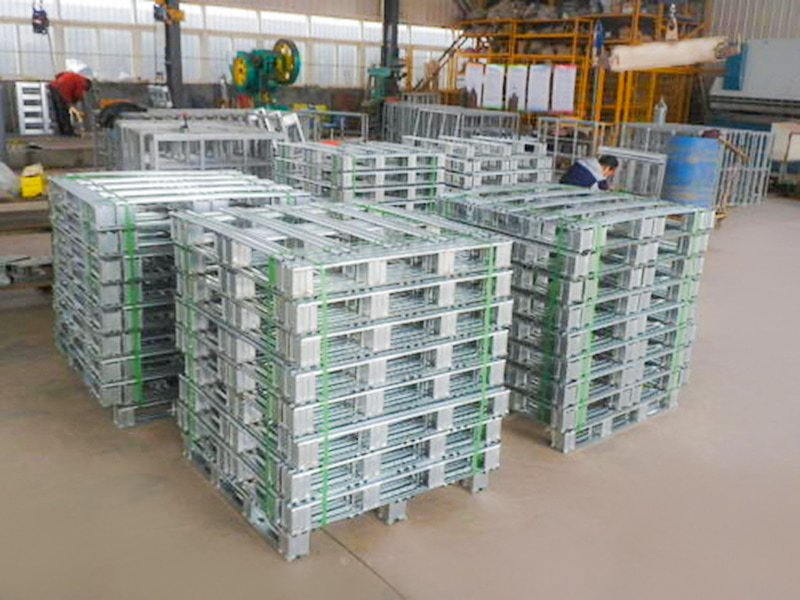 Pallet Profile Roll Forming Machine with Embossed Hole PunchingIdeal for producing pallet profiles and racking uprights with embossed holes, this line synchronizes punching and bending to maintain tight tolerances in high-volume logistics and agriculture applications.View Product →
In structural applications, the most demanding custom lines are those that produce earthquake-resistant shear wall panels. These panels need a dense pattern of stiffening channels, box sections and connecting strips, and the tolerance requirements are strict because the components are assembled in close-fitting connections. Machines for this application demonstrate the upper end of what custom roll forming engineering can achieve: a complete production line designed from scratch around a highly specific structural product.
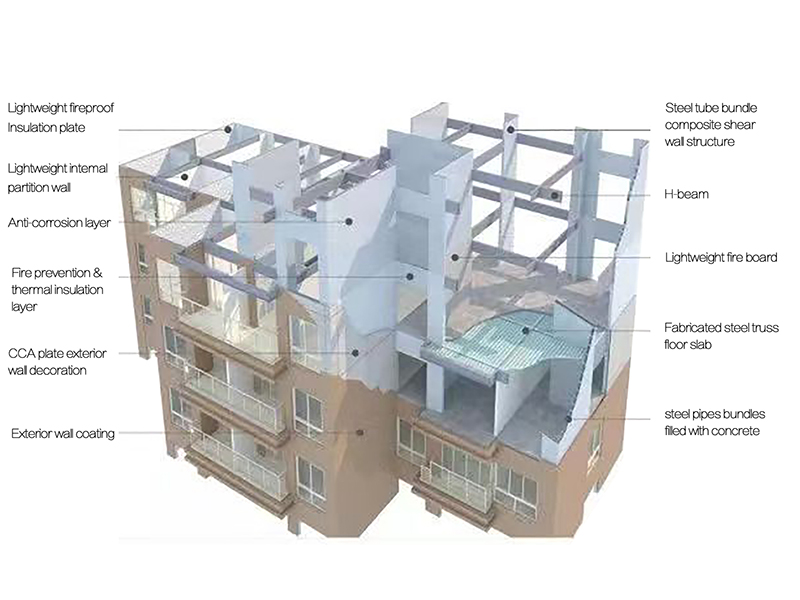 Earthquake Resistance Shear Wall Production Line for Structural PanelsDesigned for manufacturing earthquake-resistant shear wall panels with complex stiffening channels and box sections, this production line meets strict tolerance requirements for close-fitting structural connections.View Product →
If a standard profile is already close enough to what you need, a custom machine is rarely the smartest purchase. But for genuinely different cross-sections — container house frame sections, special solar mounting channels, wall panels with pre-punched holes — the value of the custom line is that the part arrives ready to assemble, with no secondary drilling, no press brake bottleneck and no scrap from mispositioned holes.
The gap between a custom machine that performs from day one and one that causes months of debugging is usually the builder's engineering capability and their willingness to put commitments in writing. When comparing proposals, look at the following points.
A responsible supplier asks for the final part drawing, the coil specifications, the production rate, the tolerance limits and the available floor space before giving a quotation. A sales conversation that skips these details is a warning sign: the machine will be delivered with a generic layout, and the missing engineering will be resolved on your floor instead of at the factory.
Roll tooling requires precise machining, grinding and hardening. A manufacturer with in-house machining capacity can correct the pass design and retest the tooling before delivery, which shortens the commissioning period. Ask which parts of the machine are made in-house and which components are bought separately from external suppliers.
Before shipment, a test run on your profile should measure profiles from the beginning, middle and end of a coil. Check the hole positions, the cut length, and the twist or bow along the profile. A test report with real numbers is far more valuable than a machine brochure with optimistic capability charts. For a deeper look at tolerances and machine selection, the article on custom roll forming of precision strips provides a useful practical reference.
A custom machine depends on specific rolls and tooling. Confirm that the supplier provides maintenance instructions, a spare parts list and a source for new rolls when your profile changes or the tooling wears. The aftersales documentation should also cover the hydraulic and control systems.
Custom roll forming is not a catalog item; it is an engineering project that combines a profile, a material, a production rate and a set of tolerance requirements into one integrated line. The machine is the last step, not the first one. A supplier who starts with an honest design review, not with a price list, is the one most likely to deliver a line that produces the profile you draw, at the speed you need, and at a cost per part that supports the entire investment.
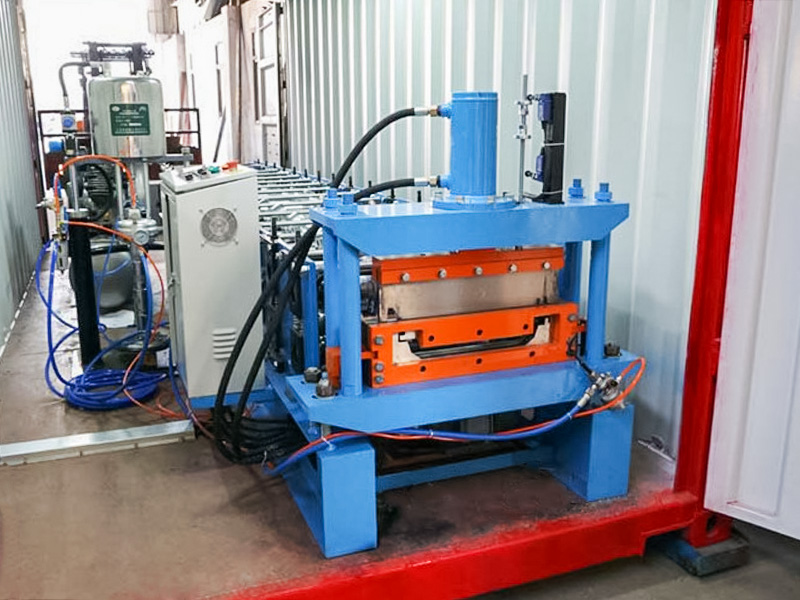
Compared with the common roofing sheet roll forming machine, the standing seam roll forming machine has a smaller body size, but the rolling tools are...
See Detail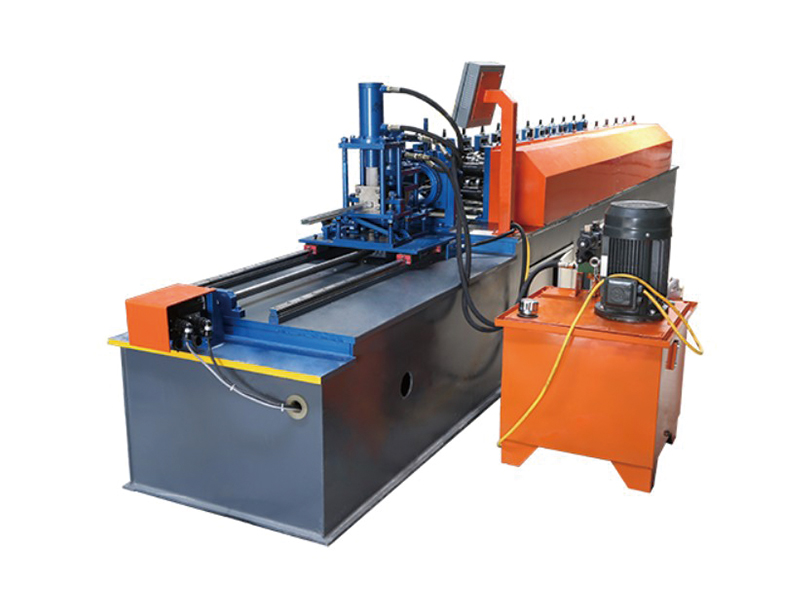
Steel Stud and Track Roll Forming Machines are automated machines specifically designed to continuously cold-bend and plastically deform continuous co...
See Detail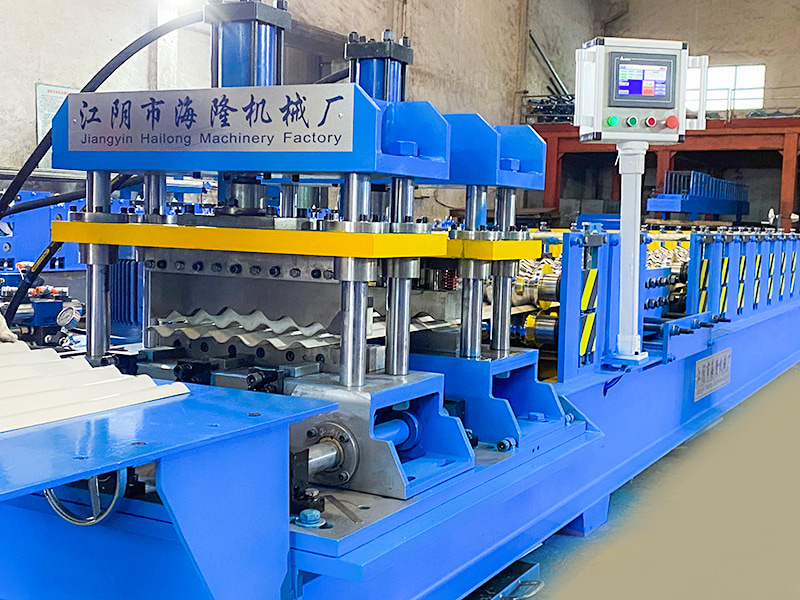
The flowerbed roll forming machine is an automated rolling equipment specially used for producing metal components such as flowerbed guardrails, garde...
See Detail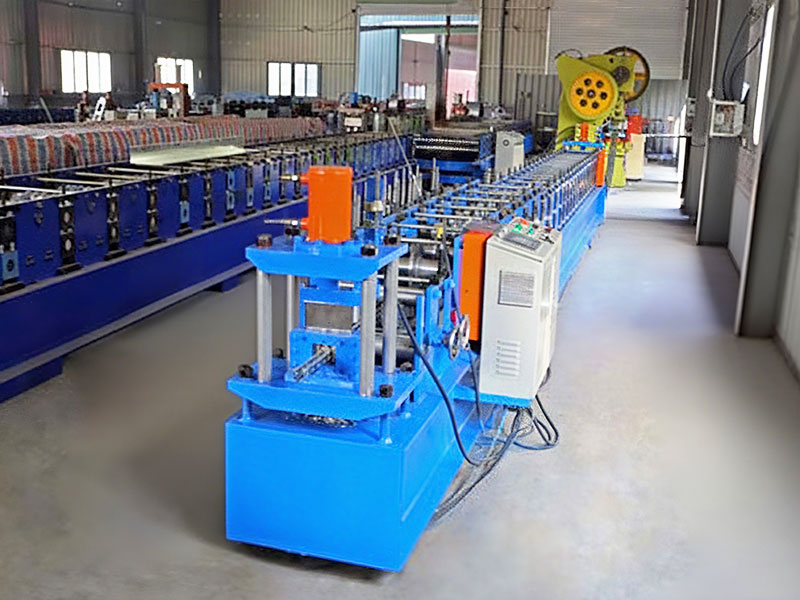
The Solar Strut Channel Roll Forming Machines is a fully automated rolling machine specifically designed for producing metal components for solar phot...
See Detail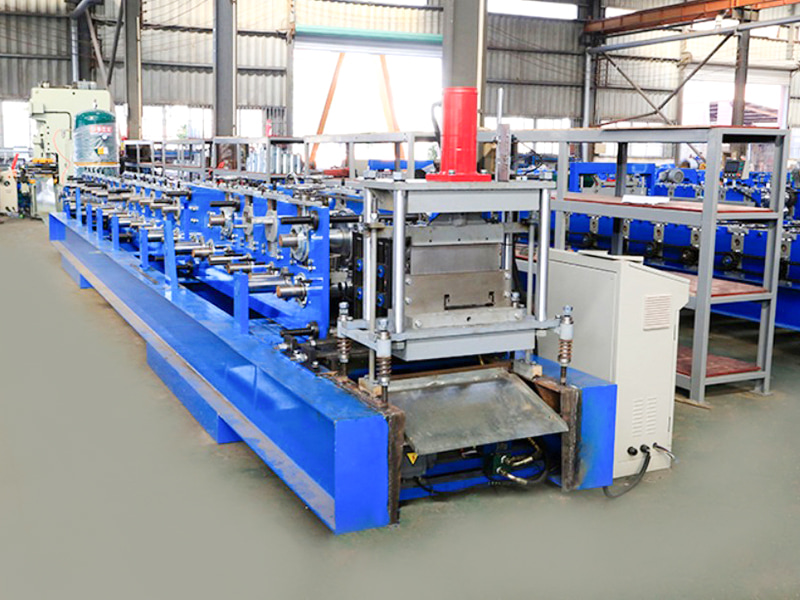
The Scaffold Industry Roll Forming Machines is an automated rolling machine specifically designed for the mass production of steel walkboards (scaffol...
See Detail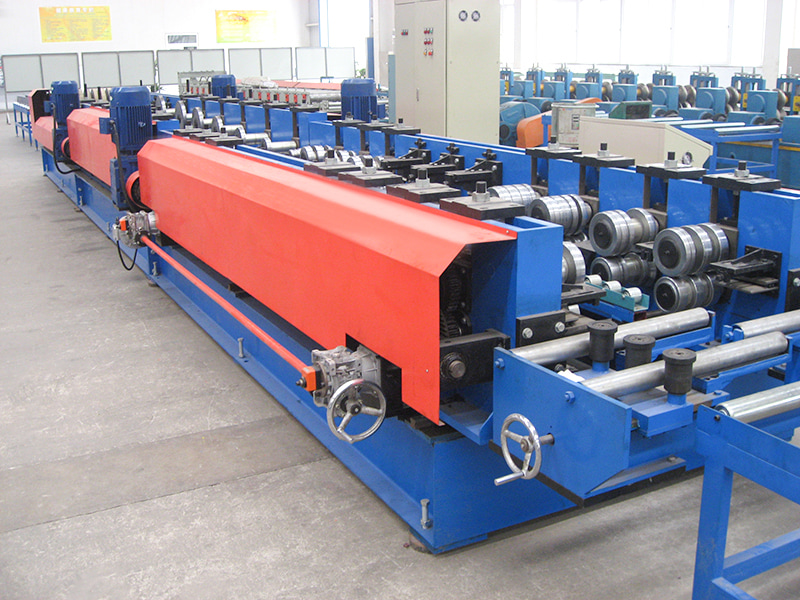
The cable tray roll forming machine is a fully automatic roll forming machine specifically designed for the mass production of metal support component...
See Detail

Copyright ©Jiangyin Hailong Machinery Factory All rights reserved Roll Forming Machine Manufacturers
