


 English
 中文简体
中文简体 русский
 عربى
عربىSteel Coil Cut-To-Length Line
The steel coil cut-to-length line is an automated production line that continuously unwinds, levelizes, and cuts rolled metal sheets (steel coils, alu...
See DetailContent
Run a mill-fresh coil straight into a forming machine and the problems appear within the first hundred meters of strip: blanks that bow after shearing, edges that ripple, and finished profiles that never sit square in the assembly. Coil processing exists to prevent exactly that. It is the group of operations — uncoiling, leveling, straightening, slitting, and cut-to-length — that converts a wound master coil into flat, straight, correctly sized material a production line can actually work with. Done poorly, it caps the quality of everything downstream; done well, it makes forming and cutting predictable. This guide explains what each operation does, why wound steel carries stress in the first place, and what to verify before you buy equipment for the job.
Mills deliver strip in coil form — typically 0.3 to 25 mm thick and 600 to 2,000 mm wide, wound into coils that weigh from a few tons to more than 30 — because coiling is the cheapest way to handle and ship long material. Your machines, however, rarely want curved, stressed strip at the wrong width.
Coil processing closes that gap with four operations, often run as one line:
Some plants need all four; others only one or two, depending on what the next machine demands.
Winding is the root cause. When strip is wound under tension, the outer side of the curve stretches while the inner side compresses. Those stresses stay locked in the material after it cools and leaves the mill. Unwind the coil and the strip tries to spring back toward its wound shape — a tendency called coil set — and refuses to lie flat on its own.
Higher-strength steels make it worse. The higher the yield strength, the more force is needed to flatten the strip and the more it springs back after each bend, which is why leveling high-strength material demands heavier rolls and deeper overbend.
The visible symptoms each point to a specific missing step:
A leveler removes them by passing the strip through staggered small-diameter rolls that bend it up and down alternately. Each bend pushes part of the material past its yield point, redistributing internal stress until the strip exits flat and stays flat.
Uncoiling looks like a spinning mandrel, but it sets the stability of everything after it. A proper uncoiler holds the coil on an expanding mandrel — 508 mm and 610 mm bores are the industry standards — applies controlled back-tension, and feeds strip at a speed the rest of the line can match. Heavier lines add a coil car for loading, a hold-down arm and peeler to stop the coil from whipping open, and an edge guide to keep the strip centered. Hydraulic mandrel expansion is standard on coils above roughly five tons because it grips the coil bore without deforming it.
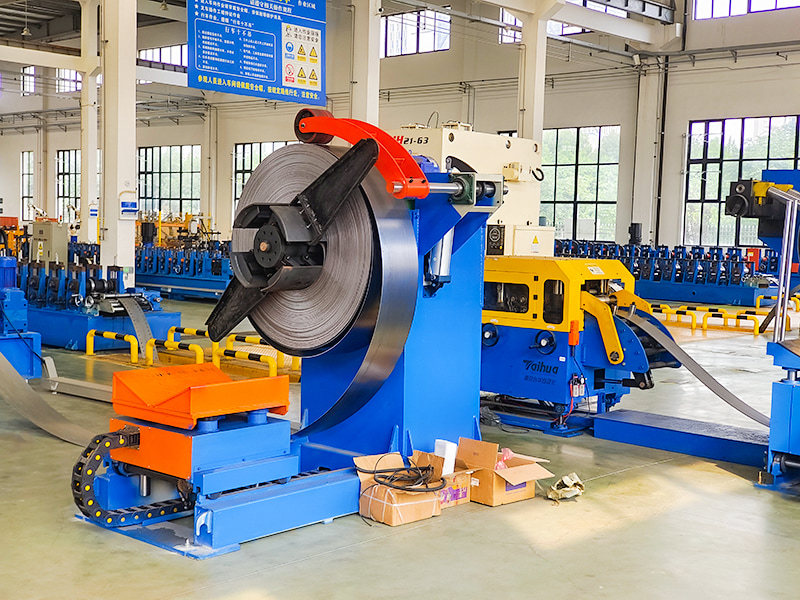 Hydraulic Expanding Steel Coil Uncoiler for Processing LinesPlaced after the discussion of mandrel sizes and back-tension, this uncoiler uses a hydraulic expanding reel, press arm, and braking system to hold coils securely and feed strip at controlled tension.View Product →
Leveling equipment is specified by material range more than anything else. The deciding variables are roll diameter, roll count, and roll spacing. Thin material below roughly 2 mm needs small-diameter rolls in greater numbers — precision levelers commonly carry 17 to 21 or more rolls — while thick plate needs fewer, larger rolls to generate enough bending force. Stretching one machine across everything from thin sheet to structural plate sacrifices flatness at both ends, so buyers should define their real thickness and strength spread honestly before ordering.
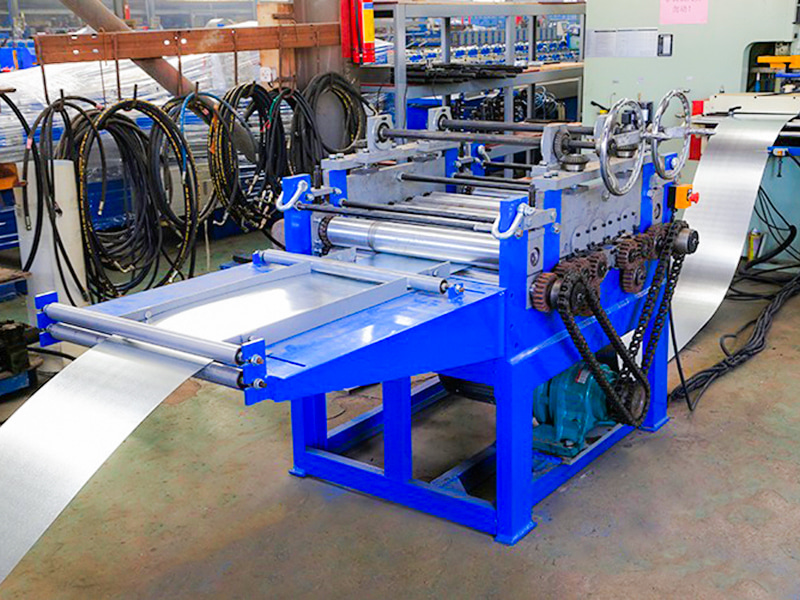 Multi-Roll Steel Coil Leveling Machine for Flat StripFollowing the guidance on roll count and spacing for different thickness ranges, this leveler uses staggered upper and lower straightening rolls with adjustable gap to remove coil set and deliver flat material.View Product →
Slitting runs the strip between paired rotary knives — circular blades on arbors above and below, with spacers fixing the widths — to split one master coil into several narrower ones. Cut quality depends on knife sharpness, clearance, and overlap; burrs along the slit edge are the usual sign that one of the three has drifted. Slit mults are either recoiled for storage or fed directly into the next process.
Cut-to-length takes leveled strip and shears it into sheets or blanks. Lines use either a flying shear, which cuts while the strip keeps moving, or a start-stop shear that halts the strip for each cut. Flying shears allow higher speeds and tighter length control — modern lines commonly hold lengths within about ±0.5 mm to ±1 mm depending on gauge. For workshops handling lighter-gauge material in modest volumes, a combined flattening and cutting line that uncoils, levels, and shears in one compact unit is often the more economical answer than separate heavy machines.
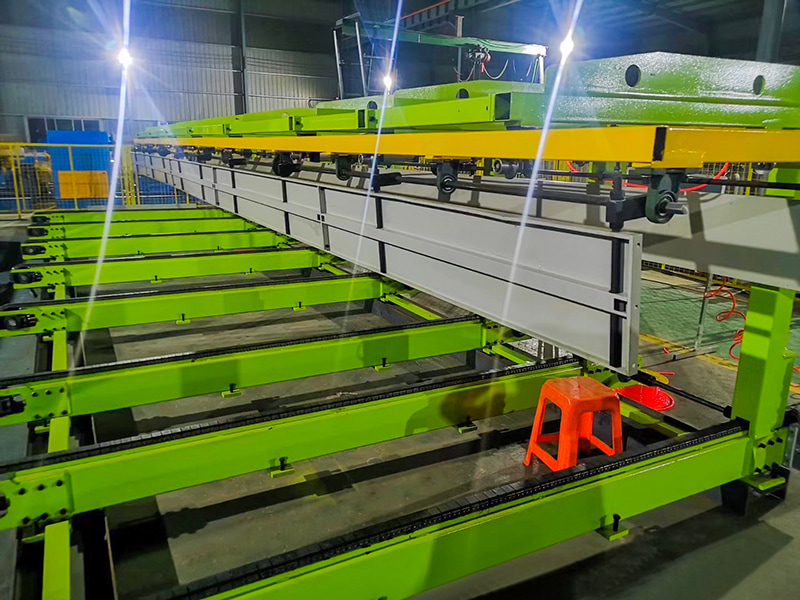 Steel Coil Cut-To-Length Line with ShearingPositioned after coverage of flying and start-stop shears, this line uncoils, levels, and cuts strip into sheets, offering a compact option for workshops handling lighter-gauge material.View Product →
| Operation | What It Does | Typical Output | Where It Fits |
|---|---|---|---|
| Uncoiling | Pays strip off the coil under controlled tension and speed | Continuous strip feed | Entry point of every coil-fed line |
| Leveling | Alternately bends strip to remove stress and curvature | Flat, straight strip | Before forming, shearing, or welding |
| Slitting | Cuts a wide coil into narrower mults with rotary knives | Multiple narrow coils | When the next process needs a width the master coil cannot provide |
| Cut-to-length | Shears flat strip at set lengths | Sheets or discrete blanks | When downstream work requires individual sheets |
For anyone buying forming equipment, coil processing is not a separate topic — it is the front end of the same line. A typical roll forming line runs from the uncoiler, through a leveler, into the forming stations, and out through a cutoff. Flatness and feed stability at the entry decide profile tolerance at the exit: strip that wanders or bows will produce twist, edge wave, and inconsistent lengths no matter how accurately the rolls were cut. This is also why the uncoiler, leveler, and former must be speed-matched and specified against the same material range as one system. If you are new to the equipment class, it helps to first understand what a cold roll forming machine does, then work backward to size the uncoiling and leveling capacity your material actually requires.
Before comparing quotes, write down the following, because each item changes the machine specification:
A supplier who asks for your coil specification before quoting is doing their job properly; one who quotes from a catalog number alone is guessing.
The equipment is mechanically straightforward but wears in predictable places. Leveler rolls lose surface condition and pick up embedded scale; slitting knives dull and start burring the edges; the hydraulic system that powers mandrel expansion, hold-downs, and shears needs oil, filters, and seals checked on a fixed schedule. Alignment deserves particular attention, because a leveler set even slightly out of square with the uncoiler will reintroduce camber no matter how well it flattens. Treat uncoiler, leveler, and shear as one system and fold their upkeep into the same roll forming machine maintenance routine you apply to the former — a line is only as reliable as its least-serviced station.
Coil processing rarely attracts the attention that forming machinery does, yet it decides whether the rest of the line can perform at all. Specify uncoiling, leveling, and cutting against your real material range, insist on speed-matched components, and maintain them with the same discipline as the former. The strip entering your machine will then be the flat, stress-free material your profiles were designed around.
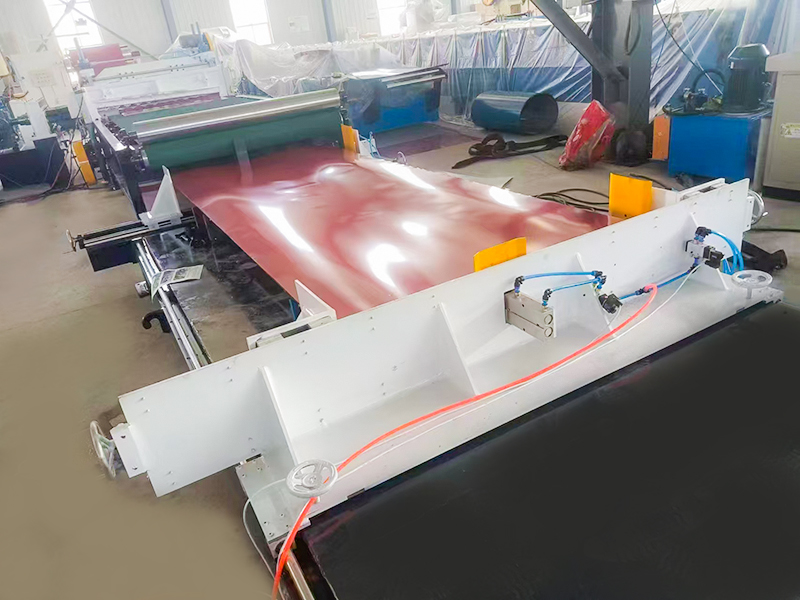
The steel coil cut-to-length line is an automated production line that continuously unwinds, levelizes, and cuts rolled metal sheets (steel coils, alu...
See Detail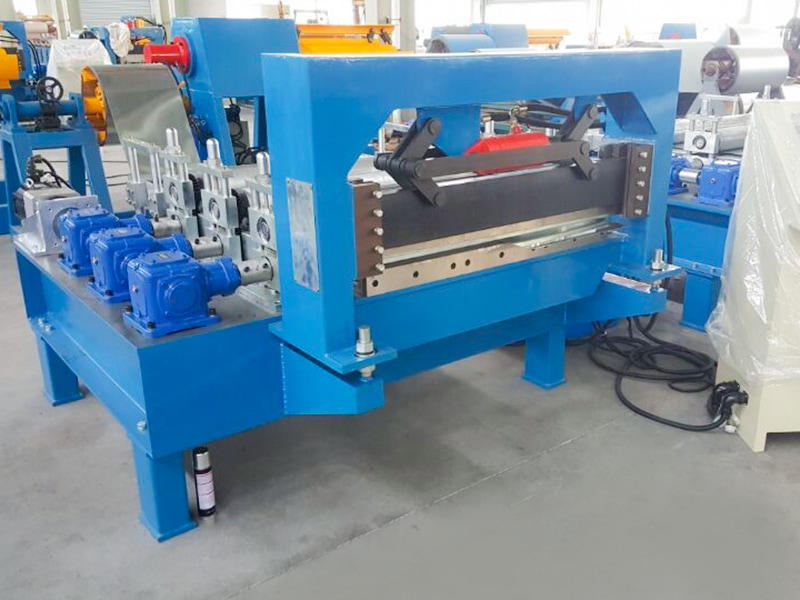
The Simple Coil Flattening and Cutting Machine is an economical two-in-one machine for pre-processing metal sheets, offering a simple structure, basic...
See Detail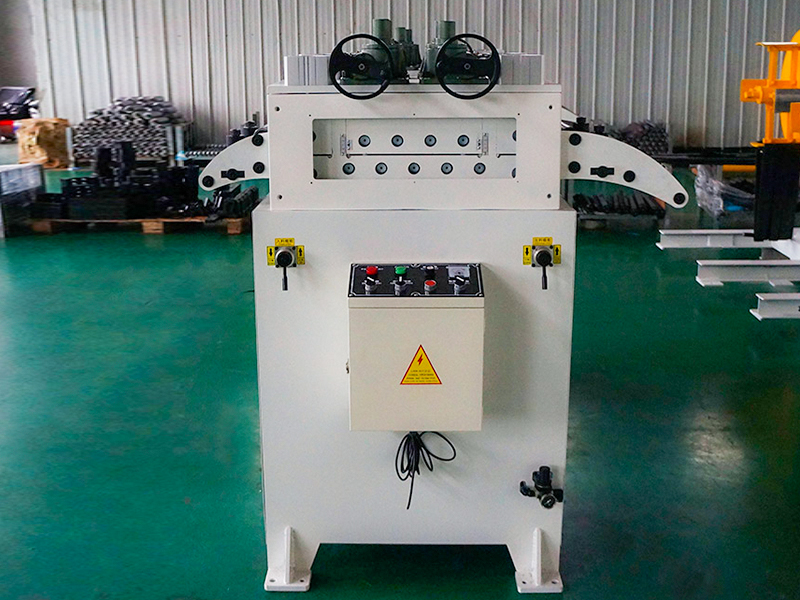
The Steel Coil Leveling Machines (also known as a leveler or straightener) in a cold roll forming production line is a key piece of equipment located ...
See Detail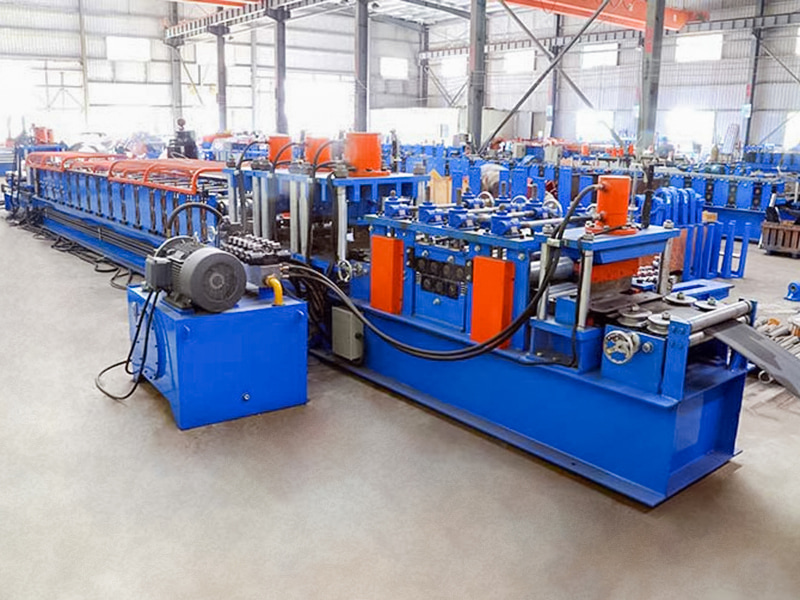
The 80-300 type Fully Automatic C-purlin Roll Forming Machine is a high-performance automated production equipment designed to meet the construction i...
See Detail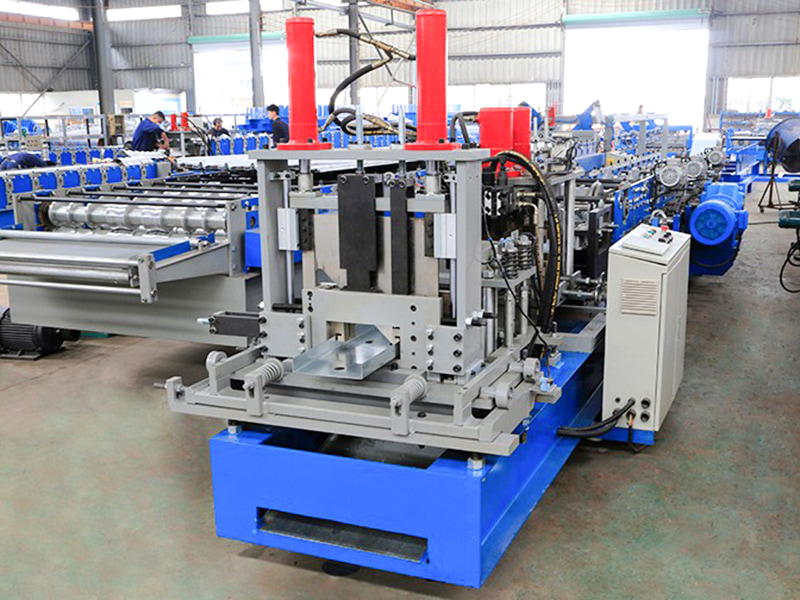
The 80-300 type C/U purlin roll forming machine is an automated machine specifically designed for the continuous production of C- and U-shaped purlins...
See Detail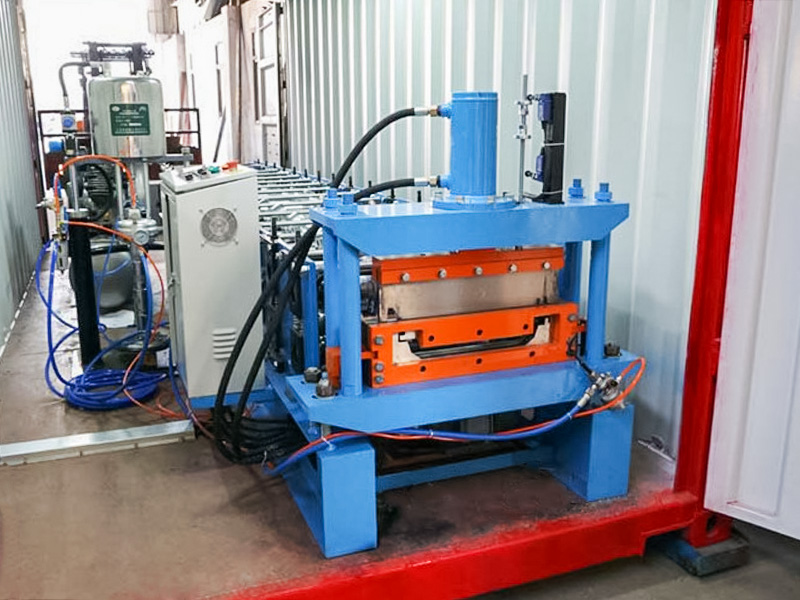
Compared with the common roofing sheet roll forming machine, the standing seam roll forming machine has a smaller body size, but the rolling tools are...
See Detail

Copyright ©Jiangyin Hailong Machinery Factory All rights reserved Roll Forming Machine Manufacturers
