


 English
 中文简体
中文简体 русский
 عربى
عربى780-Type High Precision Corrugated Sheet Roll Forming Machines
The YX36.5-780 corrugated sheet, with its moderate corrugated height and effective width, strikes an excellent balance between strength, cost-effectiv...
See DetailContent
A fabricator running solar mounting rails noticed that profile width drifted by nearly 2 mm from coil start to coil end. The steel grade had not changed, the punching dies were fresh, and the line speed was untouched. Yet the rails no longer slid into the end clamps. The culprit was not the metal alone. It was the interaction between the strip and the forming process. Custom roll forming for precision strips is less about buying a heavy machine and more about engineering the whole system: strip tolerance, roll tooling geometry, machine stiffness and process control. When these elements are matched, a profile can hold a few tenths of a millimetre across a full coil. When they are not, no downstream straightening will fix it.
Precision in strip roll forming is not one single measurement. It is a set of dimensional requirements that must hold along the full length of every part: profile width, leg height, hole position, flatness, straightness, twist and cut-off length. For most structural, architectural and solar mounting profiles, realistic precision targets are profile width within ±0.3 to 0.5 mm, hole positions within ±0.2 to 0.3 mm, and no visible twist over a 3 m length. These values are achievable with a properly designed line running consistent material.
| Characteristic | Standard forming | Precision forming |
|---|---|---|
| Profile width | ±1.0 mm | ±0.3 to 0.5 mm |
| Hole position along length | ±0.8 mm | ±0.2 to 0.3 mm |
| Strip edge straightness | ±1.5 mm per metre | ±0.5 mm per metre |
| Twist over 3 m length | 1° maximum | 0.5° maximum |
The difference between standard and precision forming is not only in the rolls. It is also in the entry guide, the driven stations, the tension control and the calibration procedure during commissioning. Buyers who compare only machine weight or price often miss this distinction. Tolerances matter because they decide how easily parts fit together on site. A solar rail with a hole position error of 1 mm across 6 m turns a simple clamp installation into a field rework job. A purlin with excessive twist makes roof sheeting slow to fasten. In precision strip applications, the cost of tolerance is paid once in the machine, or every day in rejects.
Strip material is the input to the whole system, and its variations are the most common source of tolerance problems in custom roll forming for precision strips. Yield strength comes first. A coil with higher yield strength springs back more after each forming pass. If the machine is set up for one strength and the next coil is different, the profile angle and width will shift. When you specify the machine, give the builder the actual grade range, for example Q235B to Q355B or their ASTM and EN equivalents, and note the expected yield variation from one mill to another.
Thickness tolerance is equally important. A strip that is 0.05 mm thicker fills the roll gap differently and changes the effective bending radius. Most coil standards allow thickness variations of 0.04 to 0.08 mm across the width. A precision line should absorb this range without changing the final profile. Width and edge condition also matter: a slit edge with burrs behaves differently from a clean mill edge, and the entry guides must be set for the actual strip width so the strip cannot wander sideways.
Coating changes friction at the roll interface. Galvanized and alu-zinc coated strips run differently from bare steel; pre-painted surfaces may require chrome-coated rolls to avoid marking. List every material you plan to run, not just the drawing of the final profile. The machine can hold precision only when its tooling and settings are matched to the input strip.
Tooling is where precision is either created or lost. The number of forming stations must match the complexity of the profile. Deep channels, multiple bends and tight corner radii need more passes so the strip is not over-stressed in one step. A medium-complexity strip profile normally uses 8 to 16 stations. Rolls are typically machined from alloy tool steel, quenched and tempered, then surface treated to reduce wear and friction. Chromium plating or nitriding can extend tool life and keep the surface finish consistent on coated strip.
The entry section deserves as much attention as the rolls. A well-adjusted strip guide, a straightening unit and a constant tension zone before the first forming station keep the strip from wandering. In-line punching and cut-off registration must be synchronised with strip speed. For precision work, a servo-driven measuring system or fixed-pitch cut-off holds length and hole positions far better than a free-running mechanical counter.
Line speed also changes the accuracy picture. Very high speeds introduce vibration and make it harder for the strip to stay flat between stations. A properly engineered servo line can hold consistent dimensions at 20 to 40 m/min, which is enough for most precision strip applications. When evaluating a machine, ask how the rolls were calculated, how strip tension is controlled, and what the general introduction to the roll forming machine says about recommended speeds and material ranges. Those details tell you more than the total line weight.
The specification phase decides whether a custom roll forming line will hit precision targets in production. Start with the material envelope, not only the final profile. List the steel grades, thickness range, strip width range and coating types you expect to process, and state the tolerance target for each critical dimension.
For profiles that fall outside standard catalogues, a customized roll forming line can be engineered around your strip width, material strength and punch pattern. Many buyers start with a general-purpose machine and only discover accuracy problems after the tooling is installed. It is far cheaper to state the precision requirement in the enquiry stage.
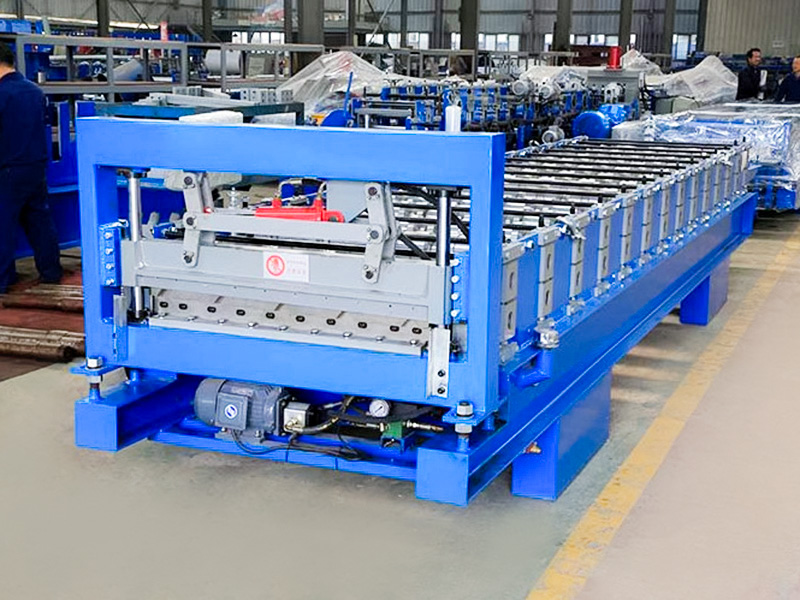 Customized Special-shaped Profile Roll Forming MachineJiangyin Hailong Machinery Factory Provide Customized Special-shaped Profile Roll Forming Machine according to customer drawings and samp...View Product →
For smaller, high-volume precision profiles such as solar rails, cable trays, door frames and framing studs, the practical approach is a line built specifically for that profile family. Our custom metal profile roll forming machines are designed for tight dimensional control on strip from 0.4 to 3.0 mm thickness, with tooling matched to the yield strength of the material. A typical example is the solar strut channel roll forming machine, which forms a small, precise rail section with consistent hole patterns and cut-off lengths.
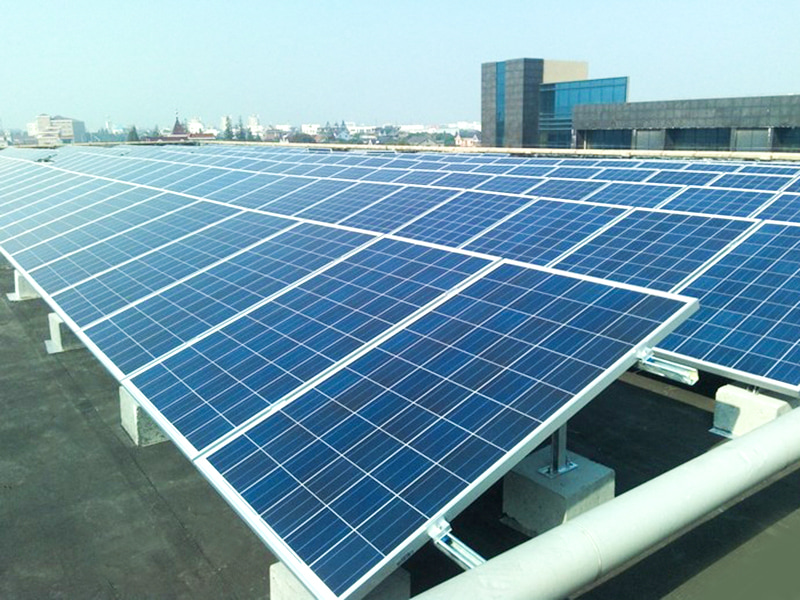 Solar Strut Channel Roll Forming Machines Suppliers, Company - Jiangyin Hailong Jiangyin Hailong Cold Bending Machinery Technology Co., Ltd. is China Customized Solar Strut Channel Roll Forming Machines Suppliers and ...View Product →Metal Profile Roll Forming Machines Manufacturers, Custom FactoryAs Metal Profile Roll Forming Machines Manufacturers and Custom Metal Profile Roll Forming Machines Factory in China, Jiangyin Hailong Ma...View Product →
Before placing an order, ask how the builder verifies the tooling. A serious manufacturer calculates bend allowance for your specific thickness and strength, then validates the rolls with sample production runs. Commissioning should include measurement of profile width, hole position and twist across several coils, not one short sample. A line commissioned against your actual material range will keep producing precision strips long after the first coil is gone.
Understanding the fundamentals helps in these conversations. If you want to review the basics before talking to suppliers, this introduction to the cold roll forming process is a practical place to start. The same principle applies across all materials and profile sizes: the strip must be formed gradually, guided accurately and controlled consistently. When the line is engineered around the strip, precision follows.
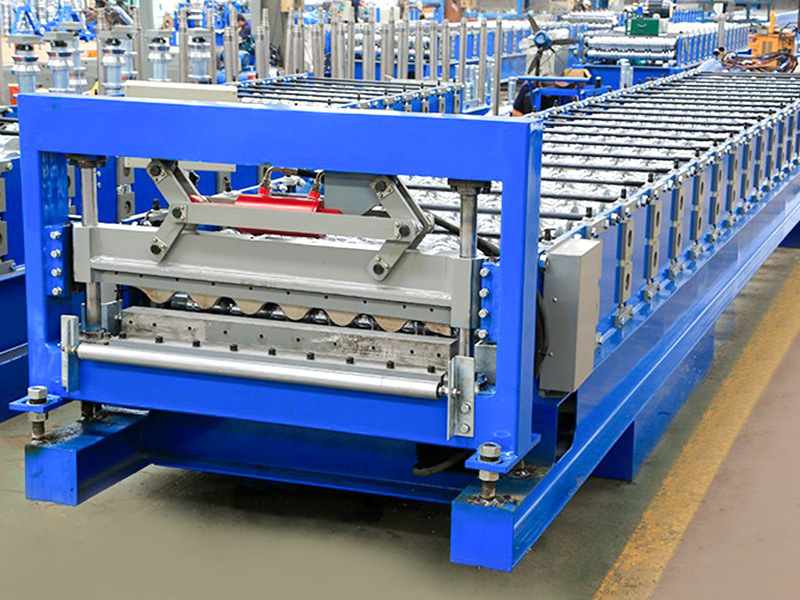
The YX36.5-780 corrugated sheet, with its moderate corrugated height and effective width, strikes an excellent balance between strength, cost-effectiv...
See Detail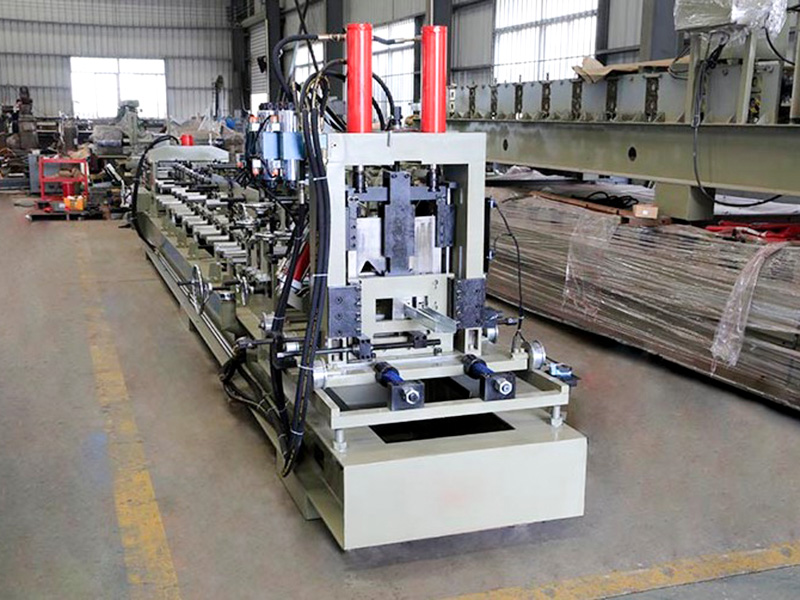
The CU Purlin Roll Forming Machine is a composite cold-roll forming system developed to meet the steel structure construction industry's growing deman...
See Detail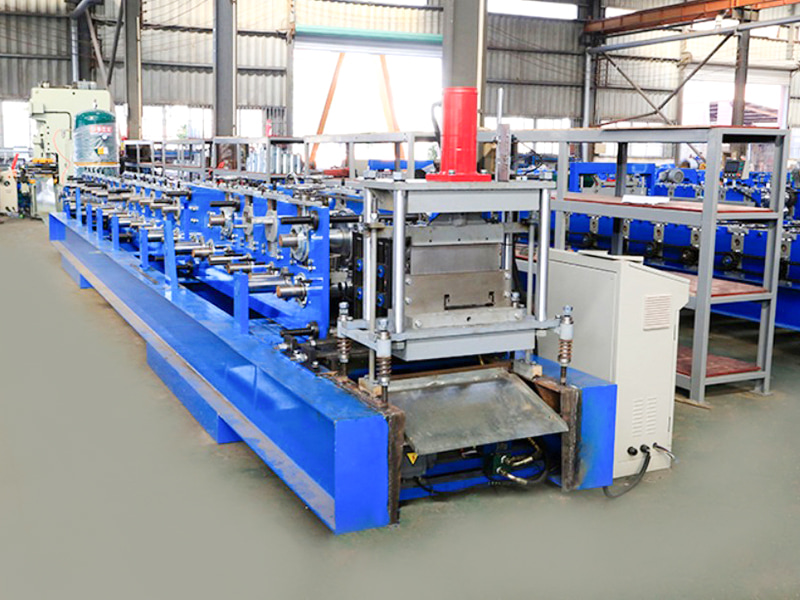
The Scaffold Industry Roll Forming Machines is an automated rolling machine specifically designed for the mass production of steel walkboards (scaffol...
See Detail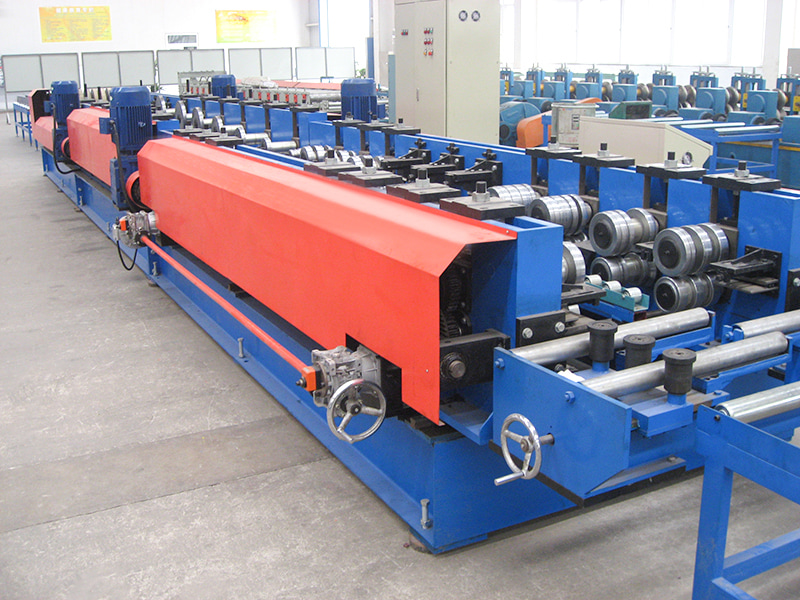
The cable tray roll forming machine is a fully automatic roll forming machine specifically designed for the mass production of metal support component...
See Detail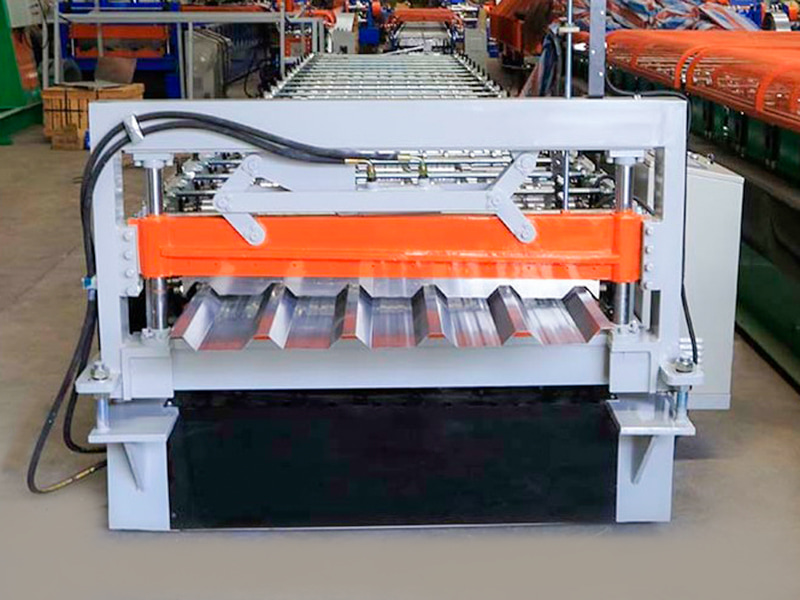
The high speed roofing sheet roll forming machine is a fully automatic sheet metal processing machine designed specifically for the construction indus...
See Detail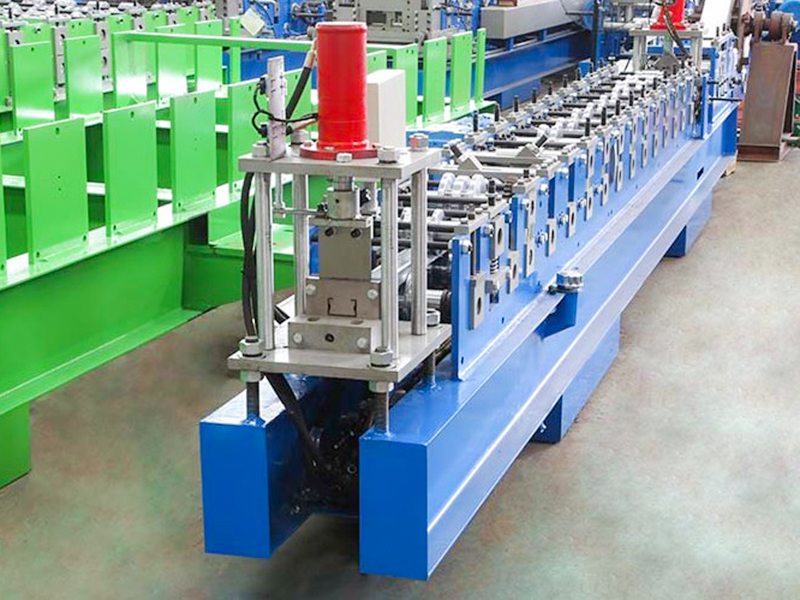
The Pallet Profile Roll Forming Machine is an intelligent rolling equipment specially used for producing the core components of all-steel pallets in l...
See Detail

Copyright ©Jiangyin Hailong Machinery Factory All rights reserved Roll Forming Machine Manufacturers
