


 English
 中文简体
 русский
 عربى
YX66-470 Highly Specific Standing Seam Roll Forming Machine
Compared with the common roofing sheet roll forming machine, the standing seam roll forming machine has a smaller body size, but the rolling tools are...
See DetailContent
Ask three suppliers to quote the same 140 mm deep trapezoidal deck profile and you will not receive the same machine three times. One will offer a standard line with an extra forming pass bolted on, another will propose new roll tooling on an existing frame, and a third will engineer a dedicated line with its own shaft diameter, station count and flying die cutter. All three can produce a sample. The difference appears in year three, when the coil moves from 0.8 mm to 1.5 mm and the web height still has to hold.
A custom roll forming machine is a line whose roll tooling, pass sequence and cutting or punching units are engineered around one profile and one material window, rather than selected from a fixed catalog.
The word custom is used loosely in quotations, and three very different offers hide behind it:
Which one you need depends on five numbers: strip thickness range, developed width, profile complexity, target line speed and tolerance class. Everything else, from decoiler size to control platform to paint color, is downstream of those.
Four variables set the architecture of a custom line: strip thickness range, profile complexity, target speed and tolerance class. Get one of them wrong in the brief and the machine ends up over-built, under-built or unable to run the coil you actually buy.
The thickness window is the number most often compressed to save money. A line built for 0.5 to 0.8 mm coil has smaller shafts, shorter bearing centres and lighter drive sizing than one that must swallow 2.0 mm high tensile strip. If your future product range includes a heavier gauge, say so at the briefing stage, because adding it later usually means a new machine rather than a new roll set.
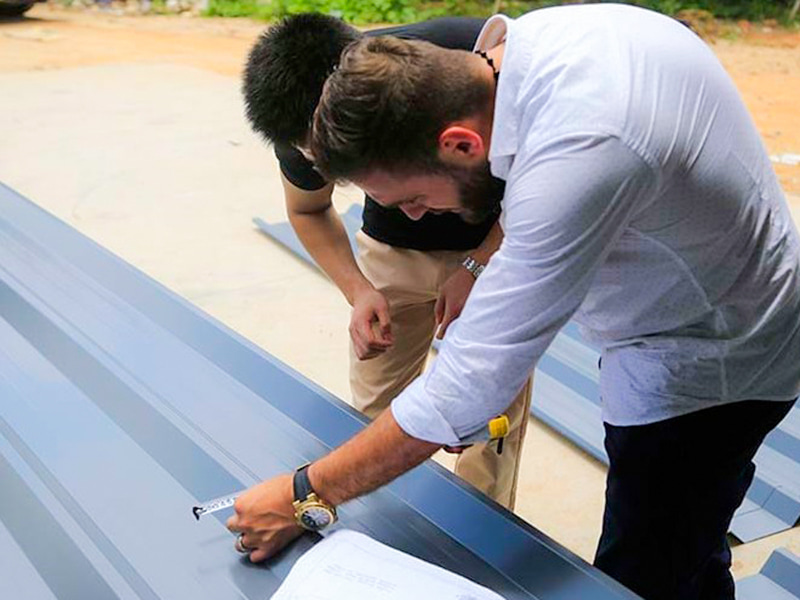 High Speed Roofing Sheet Roll Forming MachineCore Functions and Technical Features:View Product →
Speed and thickness pull in opposite directions. On long run roofing and cladding profiles the limit is often cut-to-length cycle time rather than forming, which is why high speed lines trade extra station spacing for a shorter cut cycle and a faster return stroke.
Most custom projects fail at the brief stage, not on the shop floor. The section drawing, the coil specification and the tolerance callouts have to describe the same part.
| Parameter | Typical practice | Why it decides the design |
| Developed width | Within the coil width you can buy reliably | Sets shaft length, stand width and roll cost |
| Strip thickness | A range, not a single value | Drives shaft diameter, bearing size and motor power |
| Web height tolerance | +/-0.2 mm on well supported profiles | Determines station count and roll support |
| Cut length | About +/-1 mm with a flying die | Fixes the cutting method and the control loop |
| Hole position | Punched in line before forming | Adds stations, hydraulics and control channels |
If the drawing is missing bend radii, hole pitch or the direction the holes must face, the tooling designer will guess, and guesses are expensive. This guide to strip specs and tolerance selection explains how much detail is enough before tooling is cut.
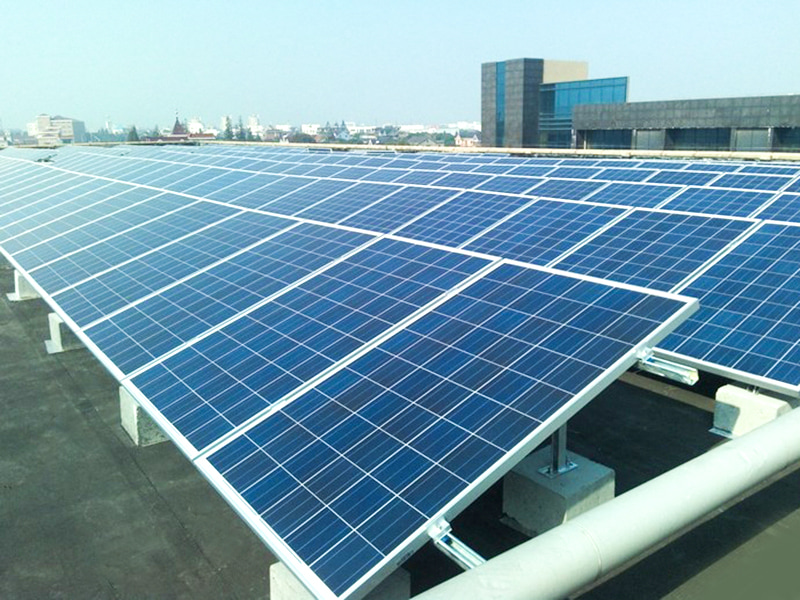 Solar Strut Channel Roll Forming MachinesCore Functions and Technical Features:View Product →
Profiles with in-line holes show the problem clearly. A solar strut channel line has to punch slots at a fixed pitch, form afterwards without distorting them, and hold the channel width at the same time. A standard machine with no punching section simply cannot reach that combination, no matter how the roll set is adjusted.
A custom line pays for itself when annual tonnage is high enough to absorb the tooling cost, or when no standard roll set exists for the section at all.
Beam, column and top beam profiles for detachable and flat pack modular units, where every section has to match a bolt pattern as well as a tolerance.
Standing seam, ridge cap, PV tile, corrugated and floor decking sections, often specified with a visible surface requirement on top of dimensional accuracy.
Box beams, cable trays, highway guardrail, scaffold components, door frames and steel stud profiles, where lengths and hole patterns are fixed by a standard.
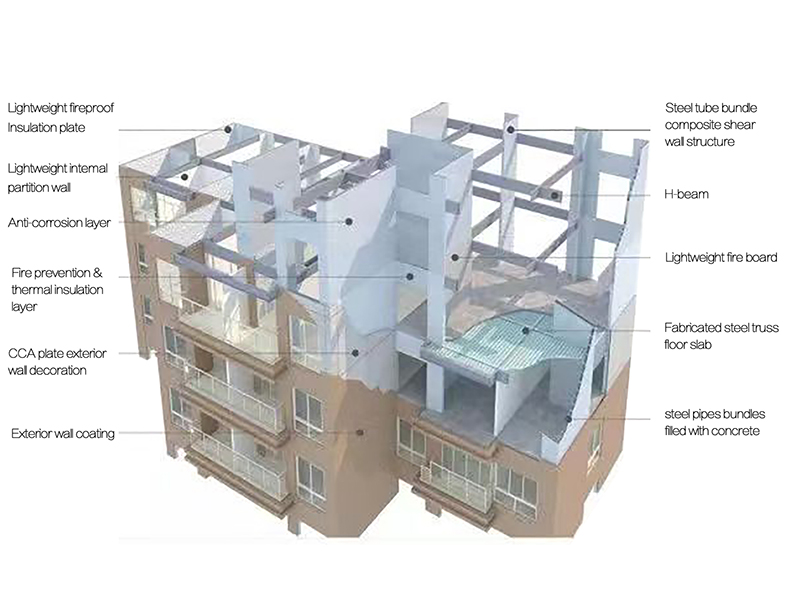 Earthquake Resistance Shear Wall Production LineCore Functions and Technical Features:View Product →
Some sections exist for a single application. A shear wall production line forms and cuts a profile used in one structural system only, so there is no catalog entry to borrow from; the tooling has to be designed outward from the building detail.
The brief that produces the best machine is one drawing plus five numbers: thickness range, coil width, target speed, cut length tolerance and required automation level.
Manufacturing history matters here. Hailong has designed and built cold roll forming equipment since 2003, with roughly 160 staff, more than 14,000 square metres of workshop space and 10 machining lines, which counts when a replacement roll set or a tooling change is needed two years after delivery.
Roll tooling and shaft sizing usually account for the largest share of the gap between two quotations for the same profile.
Relative cost influence on a mid size custom line; real quotations vary with station count, cutting method and control platform.
The cheapest quotation is usually the one with fewer stations and smaller shafts. Residual stress, edge wave and rework follow, and the saving is spent again on rejected panels. For standard after-sales questions, the frequently asked questions page is a faster route than email.
Design and tooling are the long lead items, not the frame. Allow roughly 8 to 16 weeks from drawing approval to a factory acceptance run on a typical line, with in-line punching and higher automation pushing toward the upper end of that range.
Yes, but only if it was designed that way from the start. Convertible lines use interchangeable roll sets or cassette stands, and double layer machines form two profiles on separate shafts inside the same frame. Changeover time and tooling cost both rise with every profile added.
About +/-0.2 mm on section height is realistic for a well supported profile running consistent coil. Once a profile is deep, thin or unsupported in the middle, +/-0.5 mm is closer to reality. Tolerance comes from shaft rigidity, station count and strip flatness rather than from a controller setting.
When annual volume is steady and the section cannot be substituted. Tooling is a one time cost that scales with station count and roll diameter, and it is recovered over production, not over the first order. If a standard purlin, decking or roofing profile can replace the section, the standard machine is almost always the better purchase.
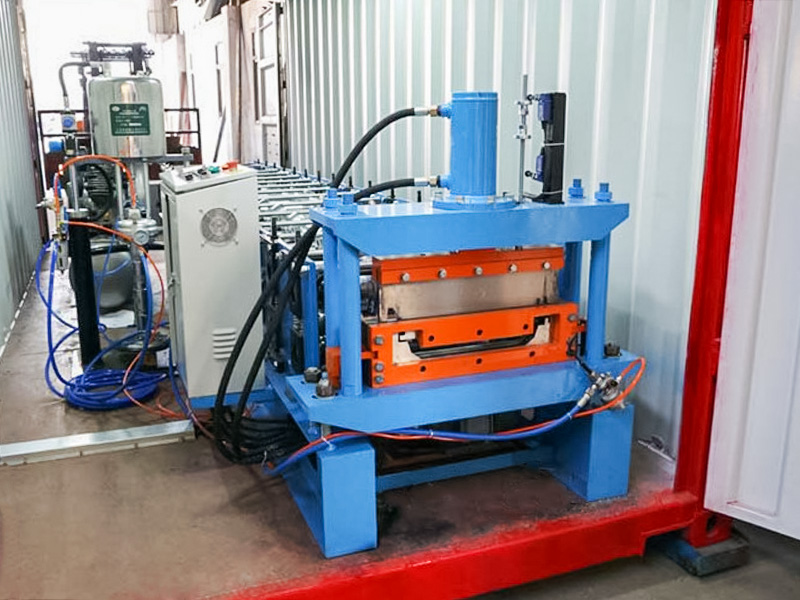
Compared with the common roofing sheet roll forming machine, the standing seam roll forming machine has a smaller body size, but the rolling tools are...
See Detail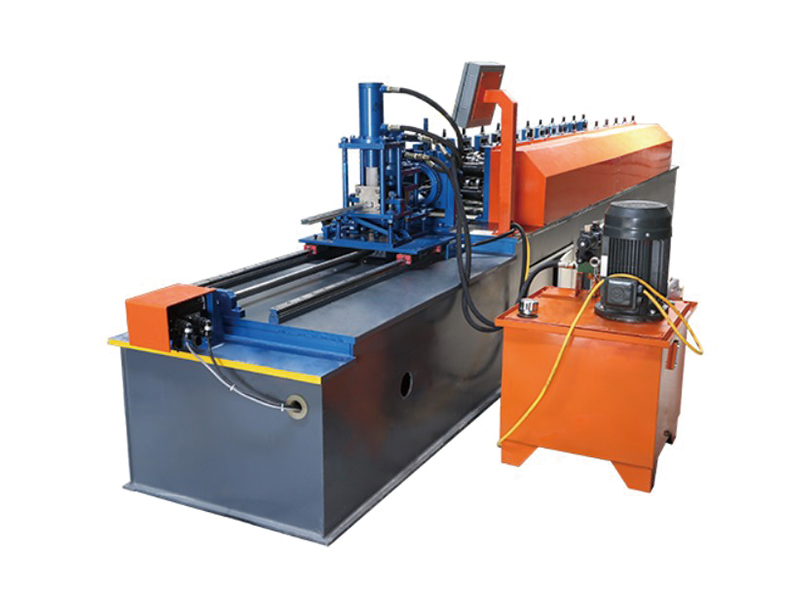
Steel Stud and Track Roll Forming Machines are automated machines specifically designed to continuously cold-bend and plastically deform continuous co...
See Detail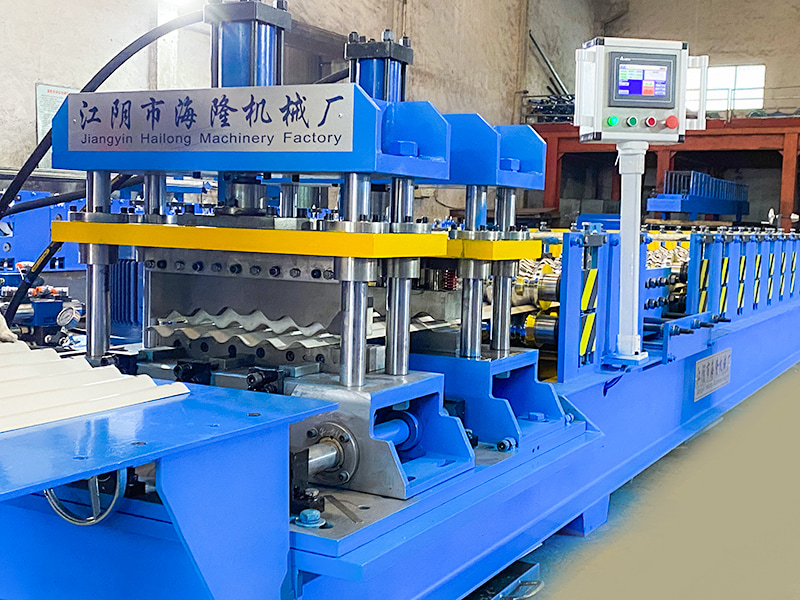
The flowerbed roll forming machine is an automated rolling equipment specially used for producing metal components such as flowerbed guardrails, garde...
See Detail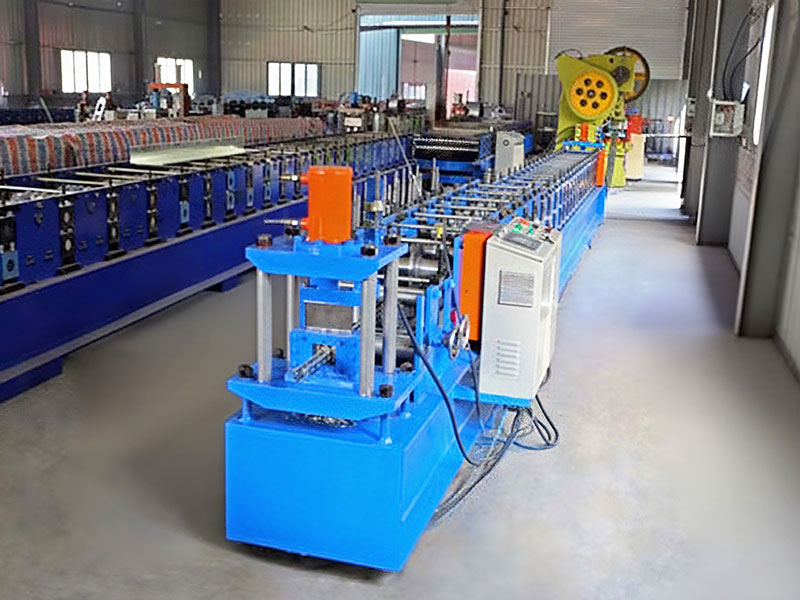
The Solar Strut Channel Roll Forming Machines is a fully automated rolling machine specifically designed for producing metal components for solar phot...
See Detail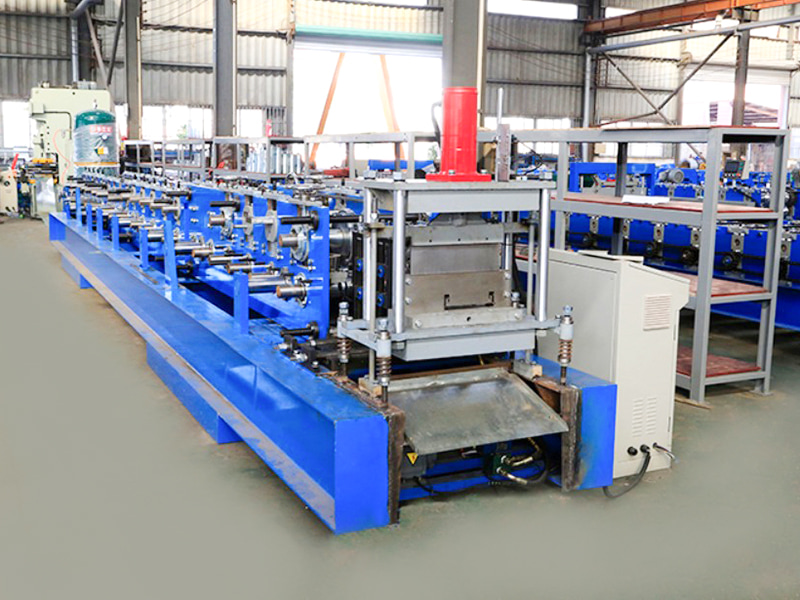
The Scaffold Industry Roll Forming Machines is an automated rolling machine specifically designed for the mass production of steel walkboards (scaffol...
See Detail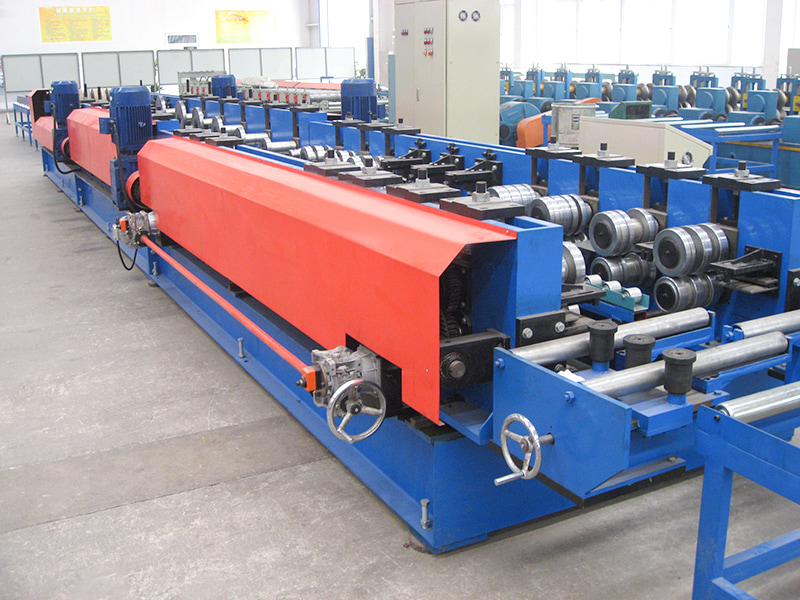
The cable tray roll forming machine is a fully automatic roll forming machine specifically designed for the mass production of metal support component...
See Detail

Copyright ©Jiangyin Hailong Machinery Factory All rights reserved Roll Forming Machine Manufacturers
