


 English
 中文简体
中文简体 русский
 عربى
عربىFlatpack Container House Top Beam Roll Forming Machine
The flatpack container house top beam roll forming machine is specially tailored for the flatpack container roof structure production. Through high-pr...
See Detail"Continuing from the previous article":
3. Construction Speed Analysis: The Economics of Time Costs
Based on our practical experience and observations within the Saudi market, time often represents the most expensive cost in major infrastructure projects across Saudi Arabia.
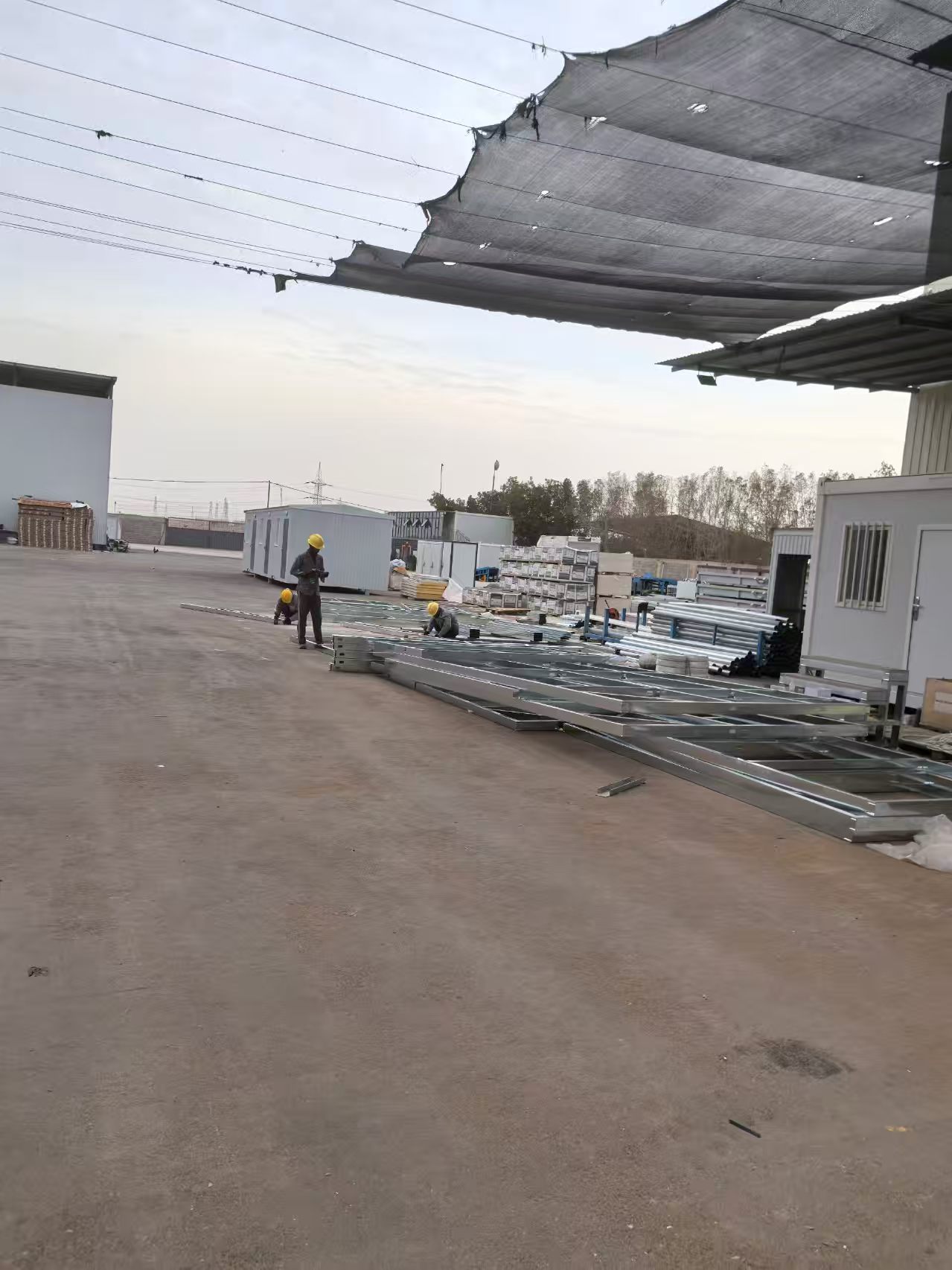
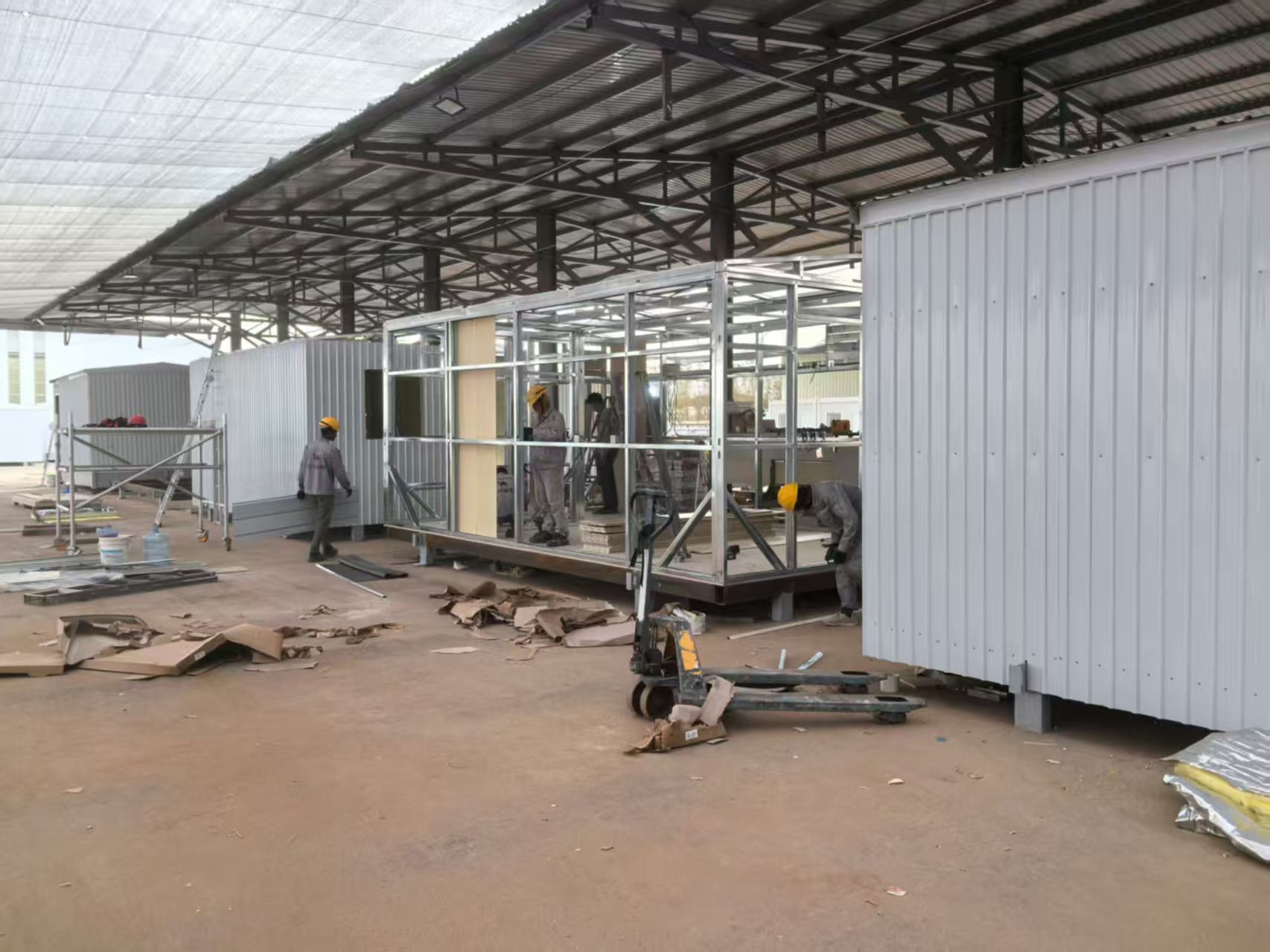
Flat-pack container houses possess an overwhelming advantage in terms of on-site construction speed. According to our project records, a standard flat-pack container house unit requires an average of only 2 to 3 hours—from the moment it is unloaded from the truck to the completion of assembly and commissioning. In contrast, a detachable (quick-assemble) container house unit of equivalent specifications requires 8 to 12 hours of on-site assembly time.
This disparity in time is amplified exponentially in large-scale camp construction projects. For a large-scale labor camp requiring 500 container houses, utilizing flat-pack container houses allows for the entire installation process to be completed within a single week; conversely, adopting a detachable (quick-assembly) container house solution—even with a doubled workforce—would require more than three weeks to complete.
However, detachable container houses demonstrate superior performance regarding site adaptability. Their individual components can be transported through narrow passages or across complex terrain to reach areas inaccessible to traditional heavy transport vehicles—a capability that proves particularly valuable in projects situated within Saudi Arabia's mountainous regions or densely populated urban zones.
4. Structural Performance Comparison: Challenges Posed by Saudi Arabia's Unique Environment
Saudi Arabia's geographical and climatic conditions impose specific demands on temporary structures—ranging from the high humidity of the Red Sea coast to the extreme heat of the interior regions, and from the strong winds of the northern mountains to the sandstorms of the desert plains. In terms of structural strength, flat-pack container houses generally outperform their counterparts. Thanks to their fully welded frames and integrated design, their wind resistance capabilities can reach speeds of up to 120 km/h—a standard equivalent to the "100-year return period" wind speed criteria applicable to most regions of Saudi Arabia.
While detachable container houses feature a greater number of connection points, modern design innovations have significantly mitigated this potential weakness. In particular, our patented connection system has elevated the wind resistance of detachable (quick-assembly) units to 100 km/h—a level that fully satisfies the building code requirements applicable to the vast majority of regions within Saudi Arabia.
Regarding thermal insulation performance, both technological approaches are capable of meeting high-standard requirements. By utilizing 75mm-thick rock wool sandwich panels and double-glazed windows, both the detachable and flat-pack container housing systems are capable of maintaining an indoor-to-outdoor temperature differential of over 15°C, thereby significantly reducing air conditioning energy consumption.
5. Cost Analysis: A Whole-Life cycle Perspective
Based solely on the initial purchase price, detachable container house is typically 15–20% cheaper than flat-pack container house of equivalent specifications; however, this marks merely the starting point of a comprehensive cost analysis. Once transportation costs are factored in, the price gap narrows further. When combining sea freight from China to Saudi Arabia with overland transport from the port to the construction site, the total logistics cost for detachable container house units can be 30–40% lower than that for flat-pack units, giving them a distinct cost advantage in projects involving long-distance shipping.
Conversely, regarding on-site installation costs, the flat-pack container system demonstrates a clear advantage. For instance, the hourly wage for skilled local labor in Saudi Arabia ranges from approximately 50 to 80 Saudi Riyals (roughly US$13–21); consequently, the greater number of on-site labor hours required for detachable units translates directly into higher installation expenses.
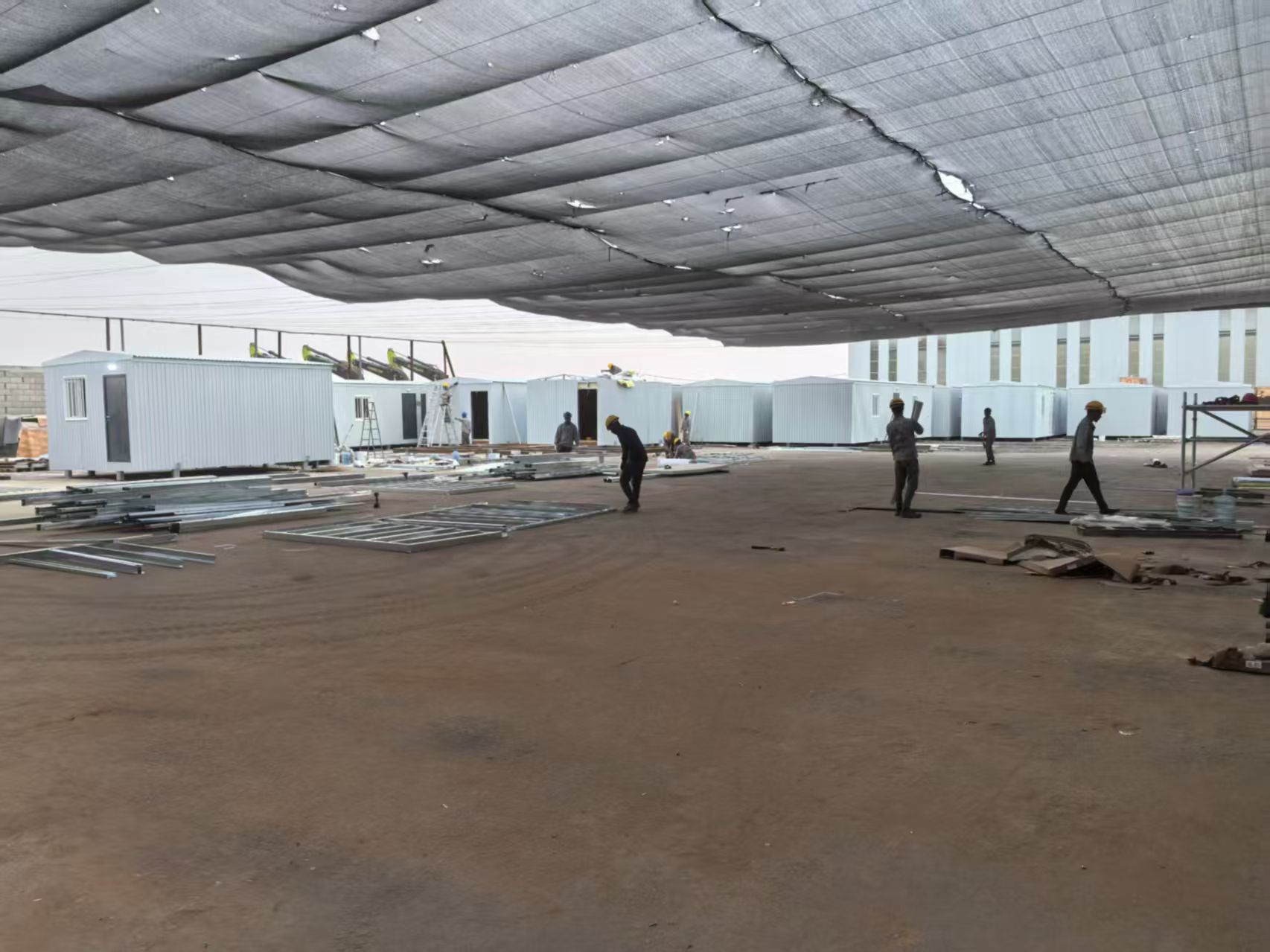
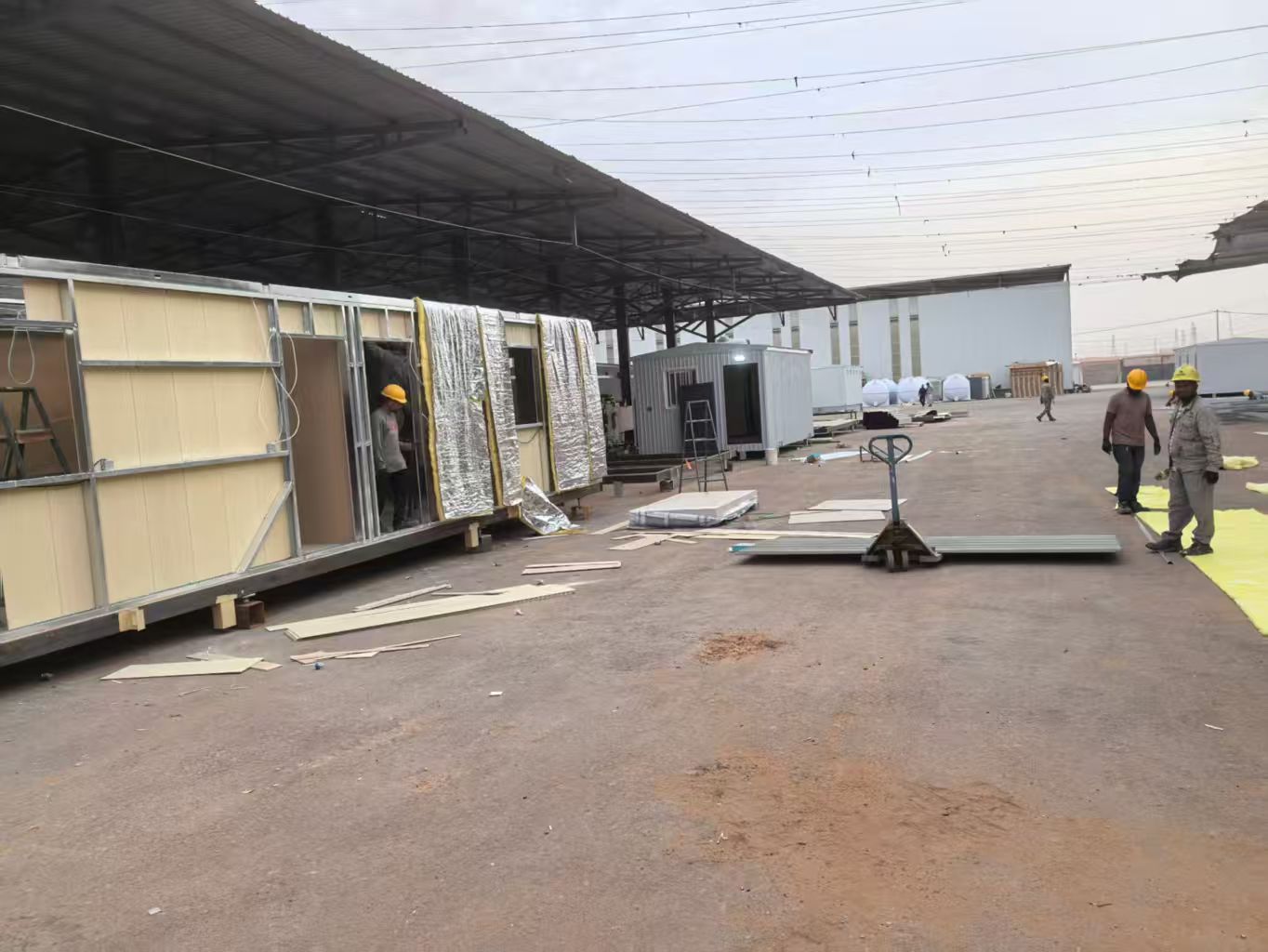
From a whole-lifecycle cost perspective, the relative merits of these two technologies depend on the specific application scenario. According to our cost calculation model: for projects with a projected service life of less than two years—or those requiring multiple relocations—detachable container units are generally the more economical choice; conversely, for projects with a service life exceeding three years—or those situated in remote locations—flat-pack container units represent the superior investment.
To be continued...
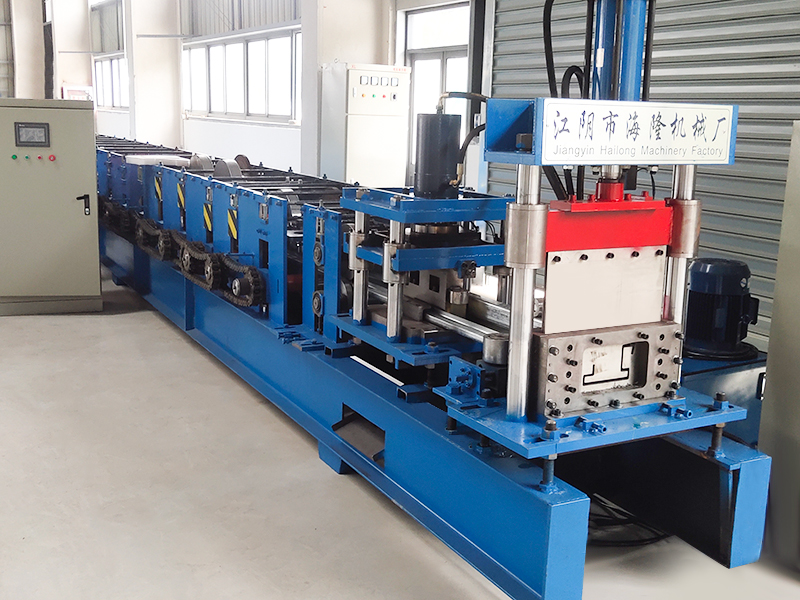
The flatpack container house top beam roll forming machine is specially tailored for the flatpack container roof structure production. Through high-pr...
See Detail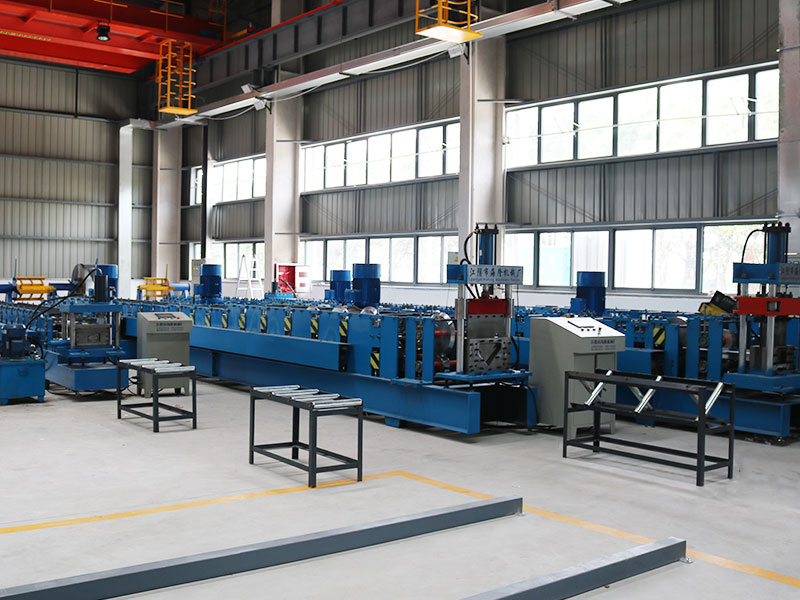
Detachable Container House: refers to a special container or modular building unit. It is characterized by being able to be quickly assembled, disasse...
See Detail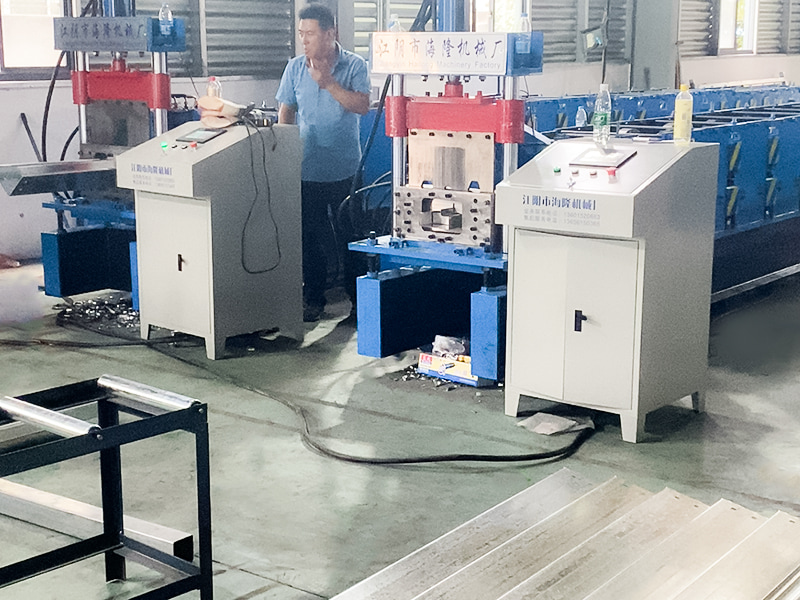
The Detachable Container House Beam is the main load-bearing structural member of the Detachable Container House (a modular container-type house, equi...
See Detail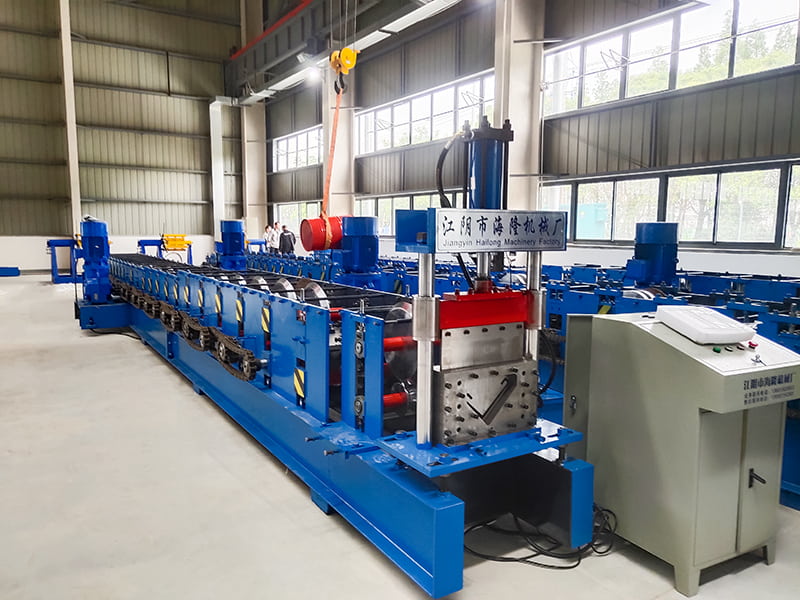
The Flatpack container house column roll forming machine is an automated cold roll forming production line specifically designed for the cross-section...
See Detail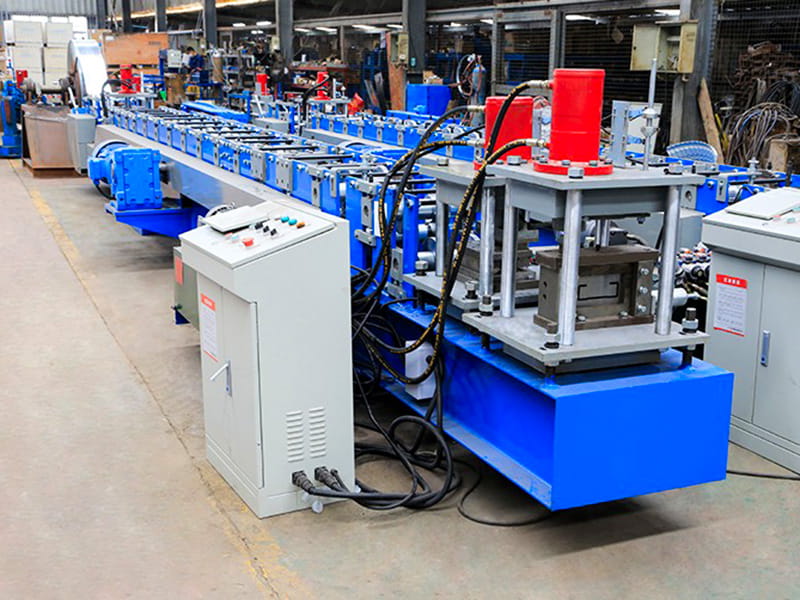
The C-purlin Roll Forming Machine is a core piece of specialized equipment in the manufacturing of steel structure building envelope systems. Using ga...
See Detail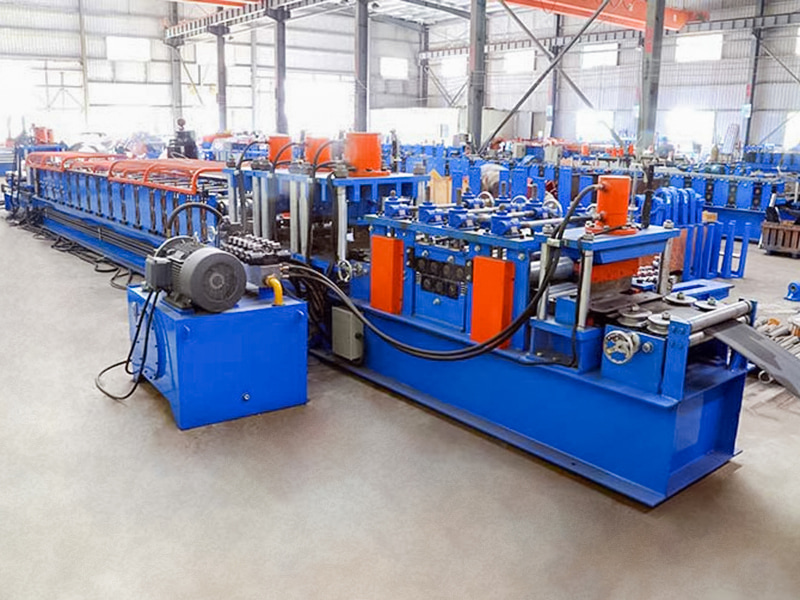
The 80-300 type Fully Automatic C-purlin Roll Forming Machine is a high-performance automated production equipment designed to meet the construction i...
See Detail

Copyright ©Jiangyin Hailong Machinery Factory All rights reserved Roll Forming Machine Manufacturers
