


 English
 中文简体
中文简体 русский
 عربى
عربىFlatpack Container House Top Beam Roll Forming Machine
The flatpack container house top beam roll forming machine is specially tailored for the flatpack container roof structure production. Through high-pr...
See DetailPreface: At a large logistics park construction site in Jeddah, Saudi Arabia, 120 modular housing units sprang up in just three days; meanwhile, at a nearby tourist resort, 50 exquisitely designed guest rooms were "unpacked" and assembled from standard shipping containers. These represent two of the most vivid application scenarios for detachable container houses and flat-pack container houses, respectively, within the Saudi market.
As Saudi Arabia’s "Vision 2030" initiative advances, the non-oil sector’s contribution to the GDP has reached 50%. Consequently, container houses—serving as flexible and efficient temporary building solutions—are experiencing unprecedented market demand. However, when faced with the two dominant product categories in the market—detachable container houses and flat-pack container houses—project decision-makers often find themselves in a dilemma regarding which option is truly best suited for their specific needs.
Drawing upon real-world project examples from the Saudi market, this article will provide an in-depth analysis of the differences between these two types of container housing and explore how clients can select the optimal solution based on actual market conditions.
1. Conceptual Analysis: The Fundamental Differences Between the Two Container Housing Technologies
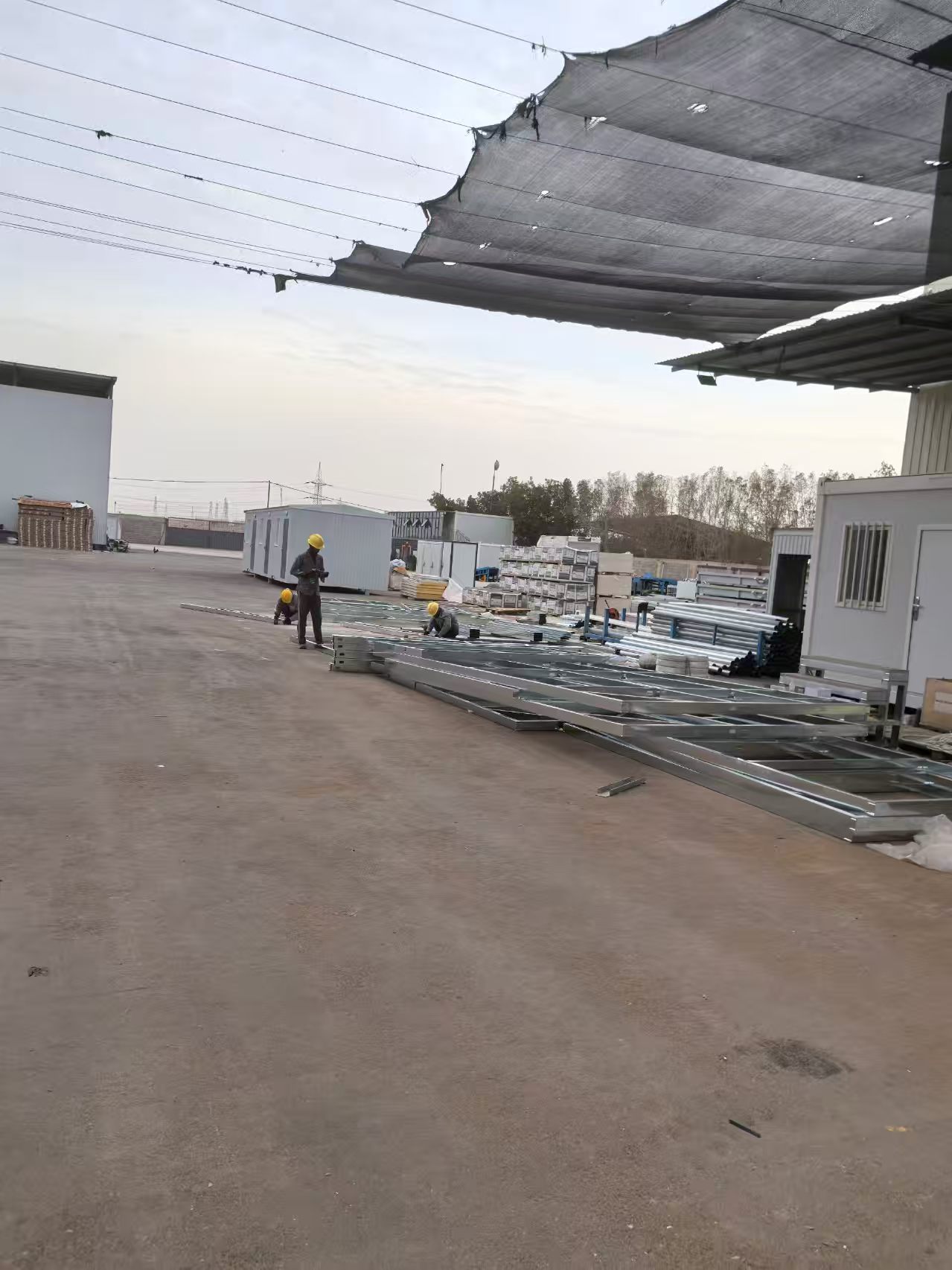
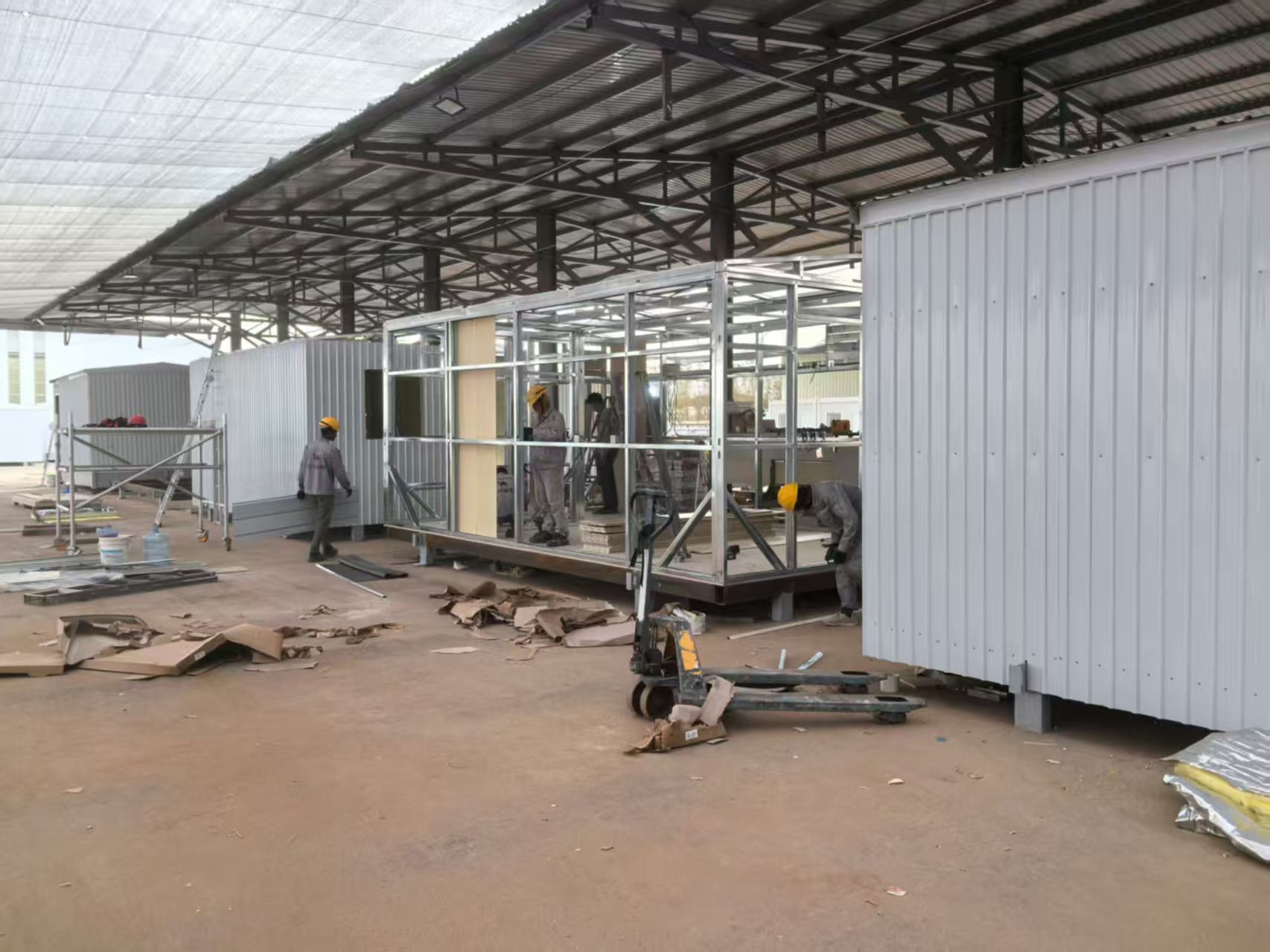
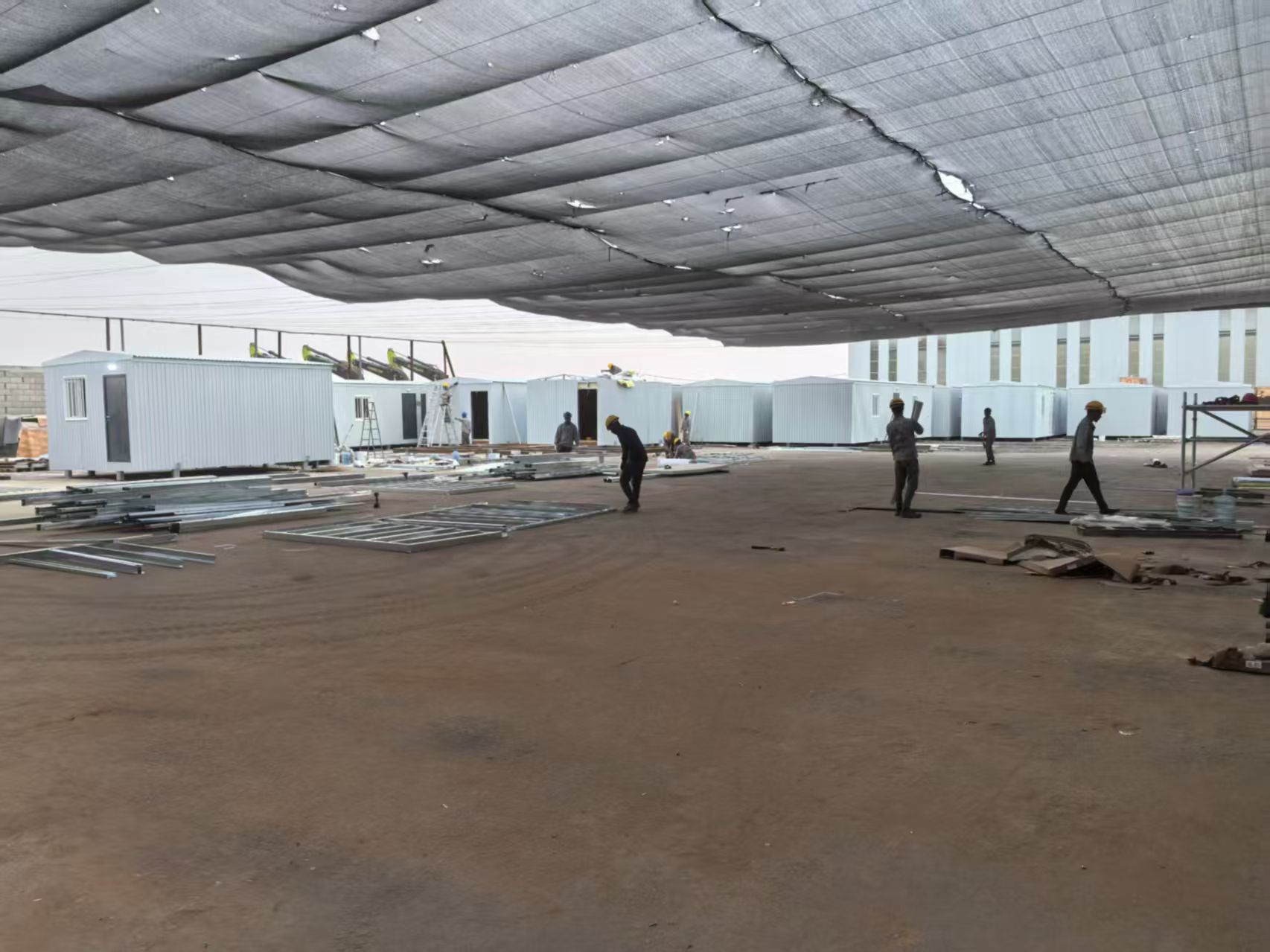
Detachable container houses (also called Quick-assemble container houses) adopt a "site assembly" philosophy. Components—such as wall panels, structural frames, and roofing—are transported separately to the construction site, where they are then rapidly assembled into a complete structure using fasteners like bolts. This design significantly reduces shipping volume but entails a greater workload for on-site assembly.
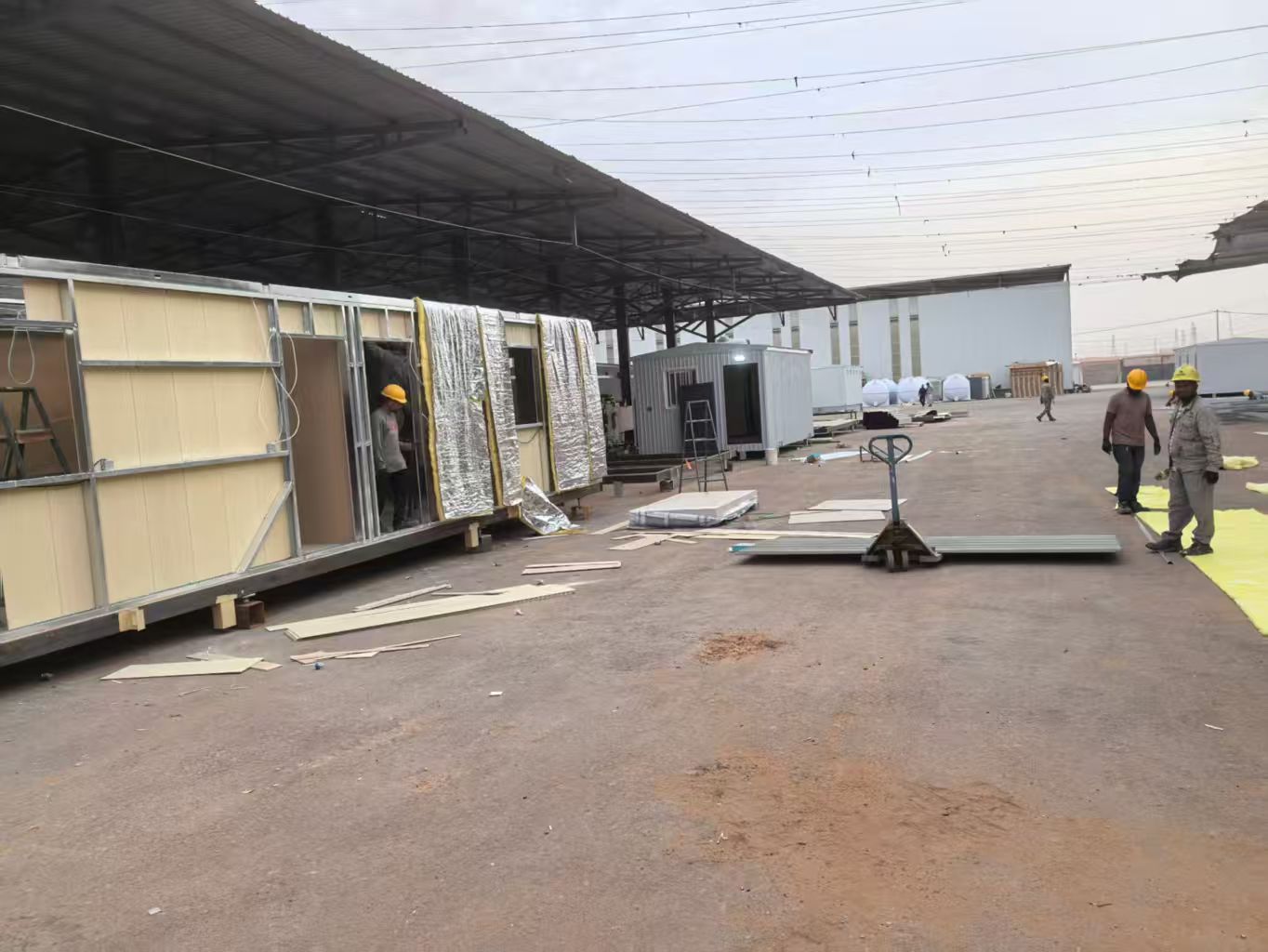
Flat-pack container houses, conversely, adhere to a "factory prefabrication" principle. Their main structural frames are fully assembled at the factory prior to shipment; furthermore, essential infrastructure—such as doors, windows, and electrical wiring—is pre-installed. Upon arrival at the site, only simple connections and final commissioning are required before the units are ready for use.
These two technological approaches represent two distinct design philosophies within the field of modular construction: a trade-off between optimizing transportation logistics and maximizing on-site efficiency.
2. Transportation Efficiency Comparison: Balancing Cost and Flexibility
Let us take the Saudi market as an example.
In a country like Saudi Arabia—where the average distance between seaports and construction sites exceeds 300 kilometers—transportation costs constitute a significant component of any project budget.
Detachable container houses demonstrate a distinct advantage in terms of transportation efficiency. By disassembling standard container housing units into flat-pack components, shipping volume can be reduced by up to 70%. This is particularly crucial for multinational projects requiring maritime transport from major manufacturing hubs—such as China—to Saudi Arabia. While a standard 40ft shipping container typically accommodates only 2-3 fully assembled "flatpack-type" container houses units, but it can hold enough components to construct six to eight "detahcable-type (quick-assembly type)" container house units.
However, this gain in shipping efficiency comes at the cost of increased on-site labor requirements. Given Saudi Arabia's extreme climatic conditions—where summer temperatures frequently exceed 45°C—on-site assembly operations demand greater manpower and more intensive construction management.
In contrast, flatpack container house operates on a "ready-to-use" model, thereby saving a significant amount of on-site assembly time. For instance, with flat pack-type units specifically designed for the Saudi market, the factory completes over 90% of the assembly work prior to shipment; consequently, clients need only handle the interconnection of the individual units and final commissioning at the construction site.
To be continued...
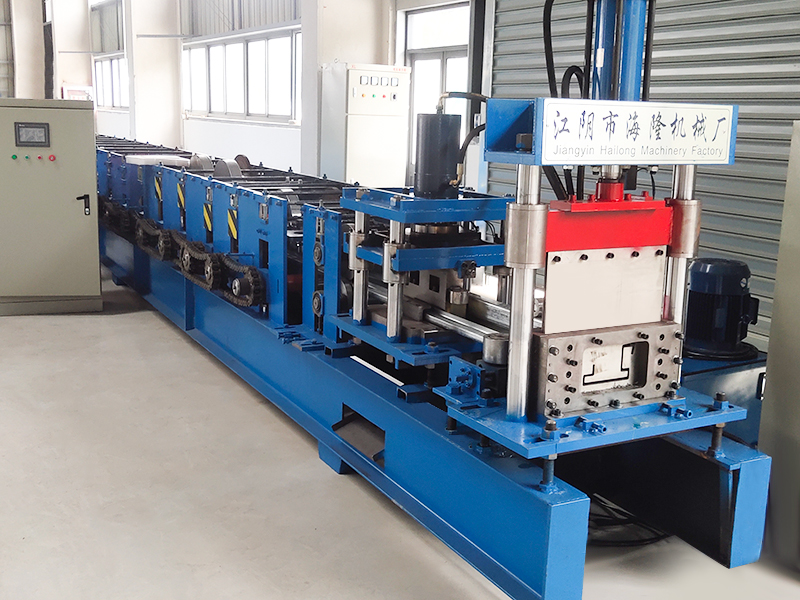
The flatpack container house top beam roll forming machine is specially tailored for the flatpack container roof structure production. Through high-pr...
See Detail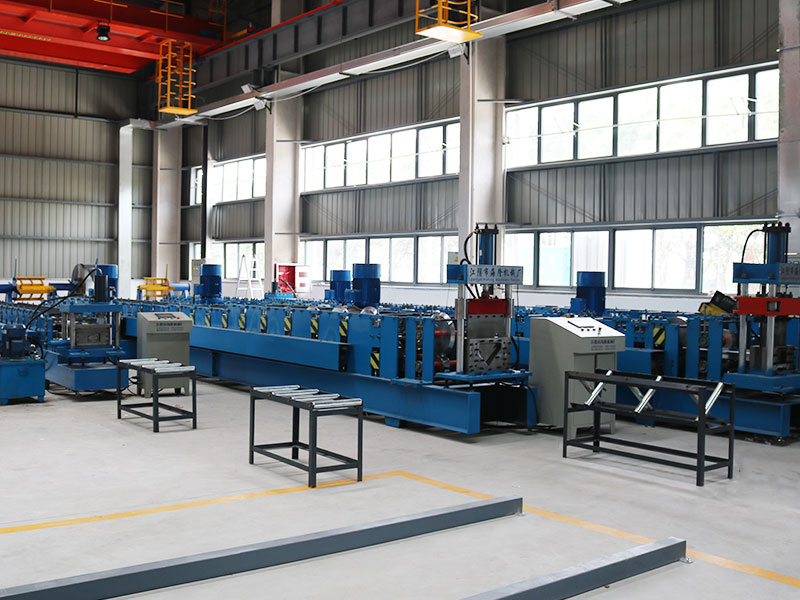
Detachable Container House: refers to a special container or modular building unit. It is characterized by being able to be quickly assembled, disasse...
See Detail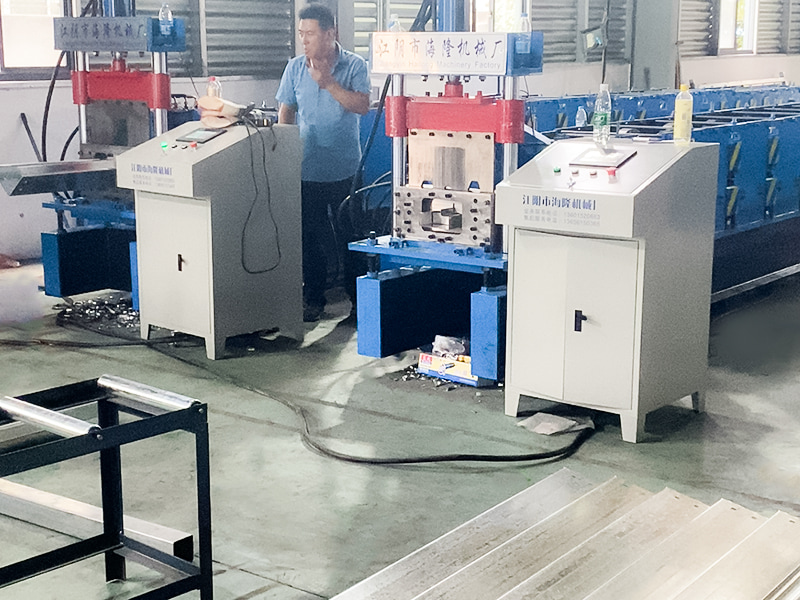
The Detachable Container House Beam is the main load-bearing structural member of the Detachable Container House (a modular container-type house, equi...
See Detail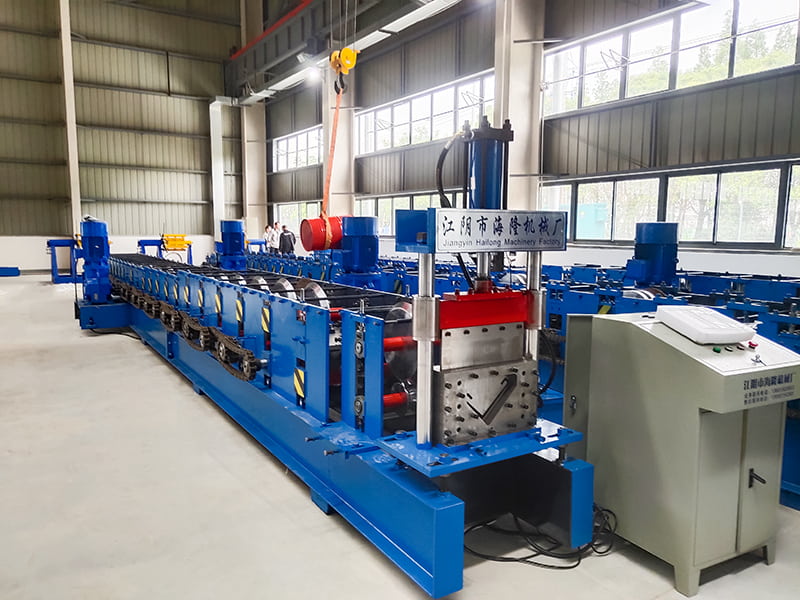
The Flatpack container house column roll forming machine is an automated cold roll forming production line specifically designed for the cross-section...
See Detail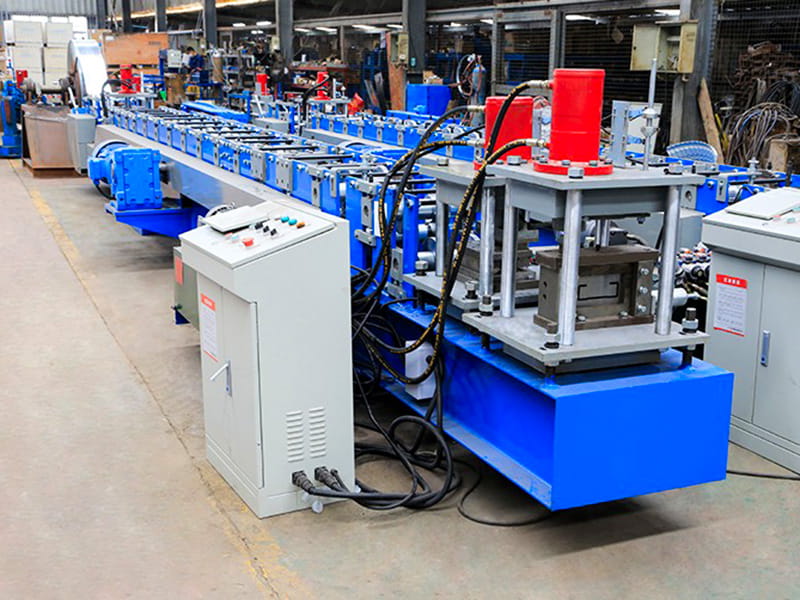
The C-purlin Roll Forming Machine is a core piece of specialized equipment in the manufacturing of steel structure building envelope systems. Using ga...
See Detail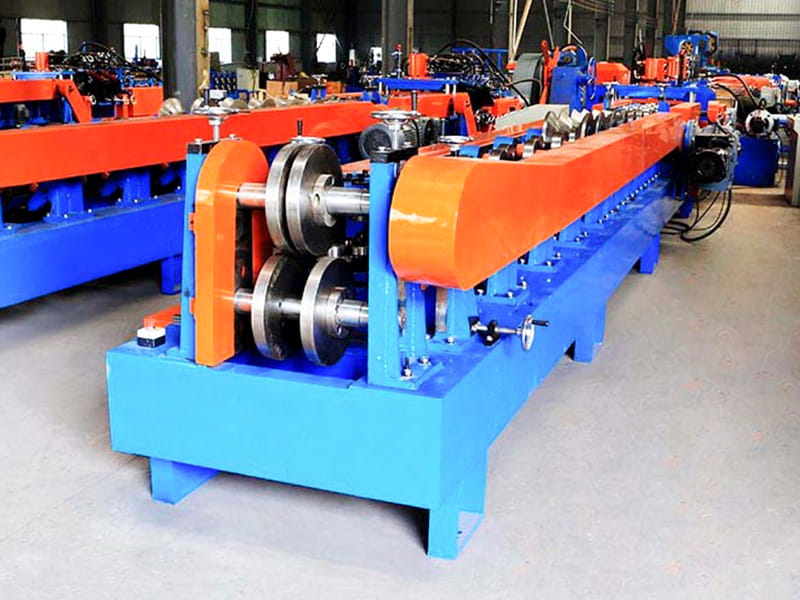
The 100-300 Type CZ Purlin Roll Forming Machine is a versatile, flexible cold-roll forming system specifically designed for steel structure building e...
See Detail

Copyright ©Jiangyin Hailong Machinery Factory All rights reserved Roll Forming Machine Manufacturers
