


 English
 中文简体
中文简体 русский
 عربى
عربىFlatpack Container House Top Beam Roll Forming Machine
The flatpack container house top beam roll forming machine is specially tailored for the flatpack container roof structure production. Through high-pr...
See Detail"Continuing from the previous article":
Finally, let us compare the two options using actual case studies from our operations in the Saudi market:
For a petrochemical project located in Saudi Arabia’s Jubail Industrial City, we supplied 300 detachable container houses. Since the project site was situated in a remote area, transportation costs accounted for a significant portion of the total budget; by utilizing detachable (quick-assemble) container units, we were able to save approximately 25% on overall logistics expenses. Although on-site assembly required an additional two weeks of work, the overall cost-effectiveness was clearly evident.
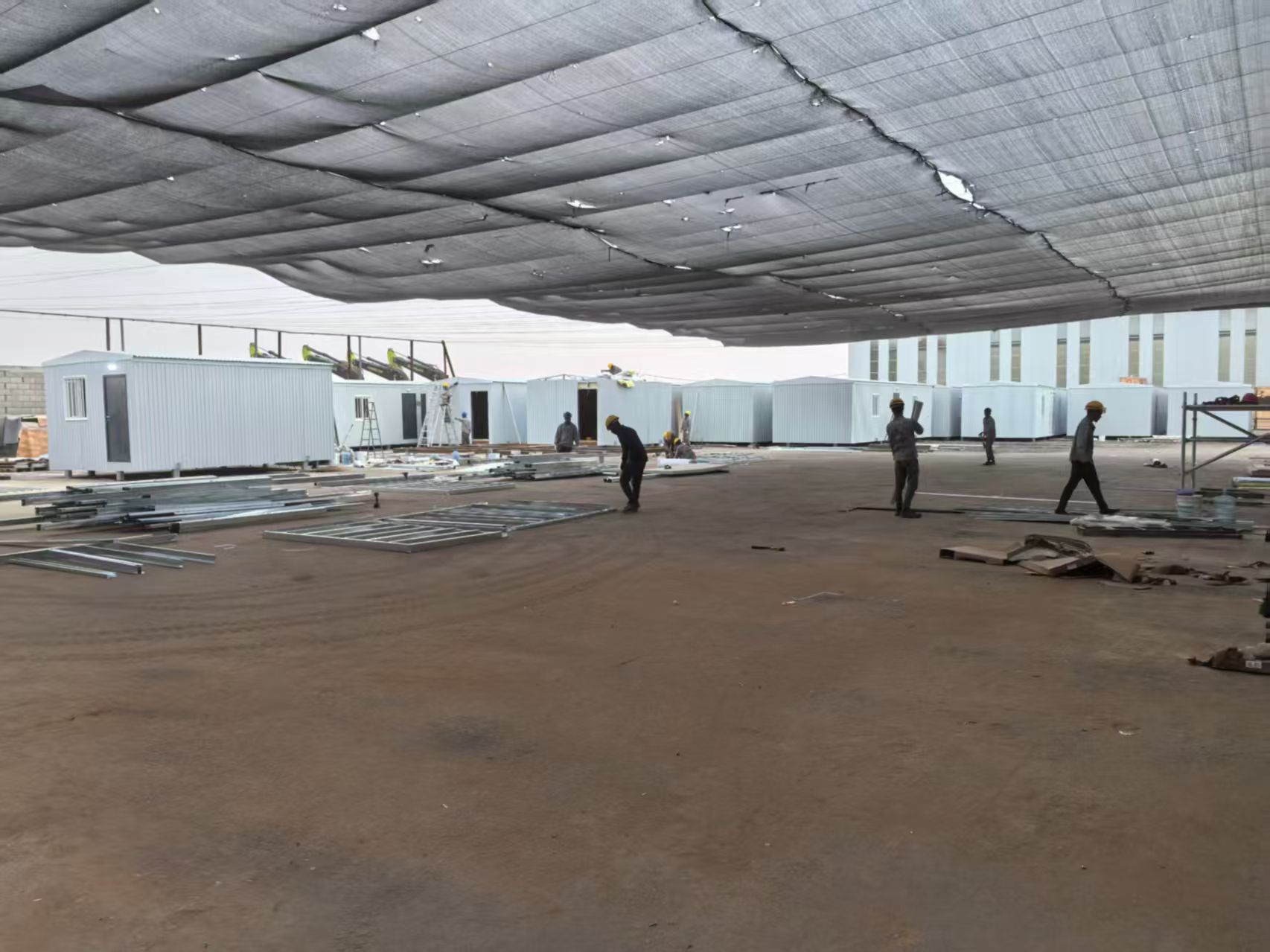
Conversely, during the construction of a commercial complex in downtown Riyadh, the client opted for 200 flat-pack container houses to serve as a temporary office area. Despite the higher initial procurement cost, the project site was ready for occupancy within just four days. This allowed the construction management team to move onto the site three weeks ahead of schedule—thereby indirectly generating immense value.
Regarding the demand for temporary accommodation during the Hajj pilgrimage in Saudi Arabia, both technologies have found practical application. detachable container houses tend to be favored for large-scale, fixed camps, whereas flat-pack container houses are better suited for smaller accommodation sites distributed across multiple locations.
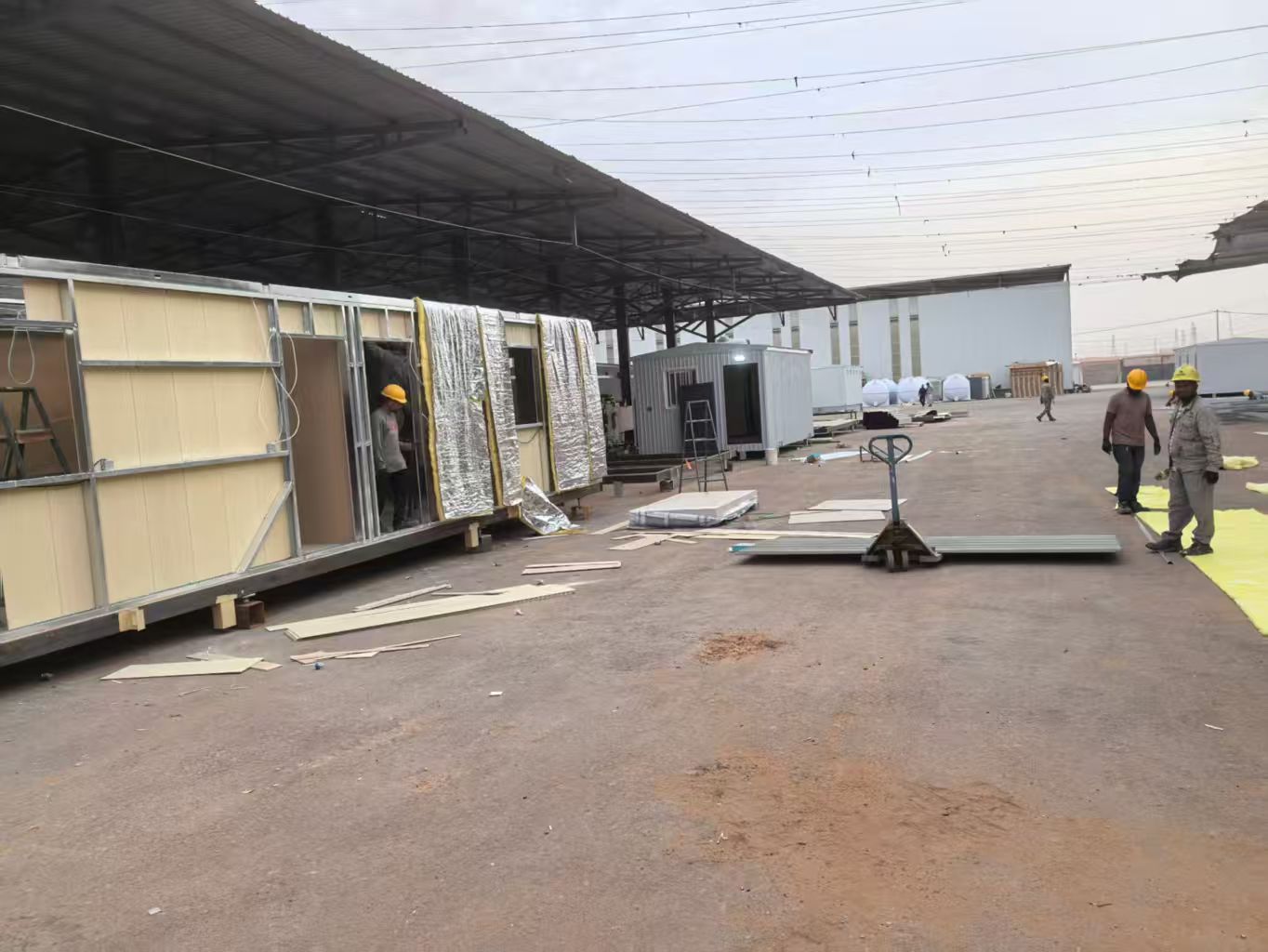
Consequently, in response to the diverse requirements of the Saudi market, our structural design approach is not confined to a single technological path. Instead, through innovative integration, we have designed and developed a "Hybrid Container Housing System." This system combines the strengths of both technologies: the main structural framework utilizes a flat-pack design to ensure rapid deployment and structural integrity, while the internal partitions and functional modules adopt a detachable (quick-assemble) concept to provide maximum flexibility.
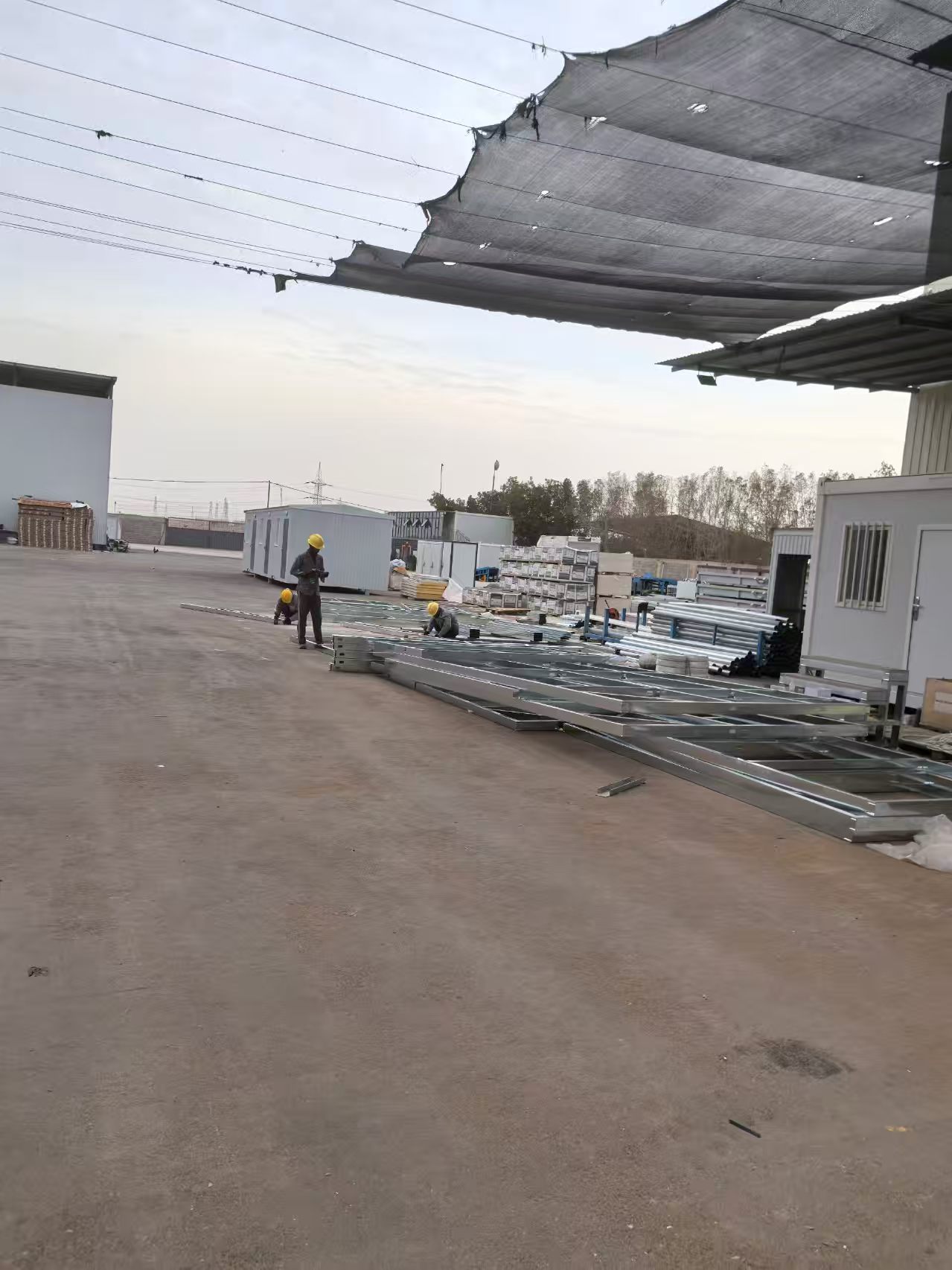
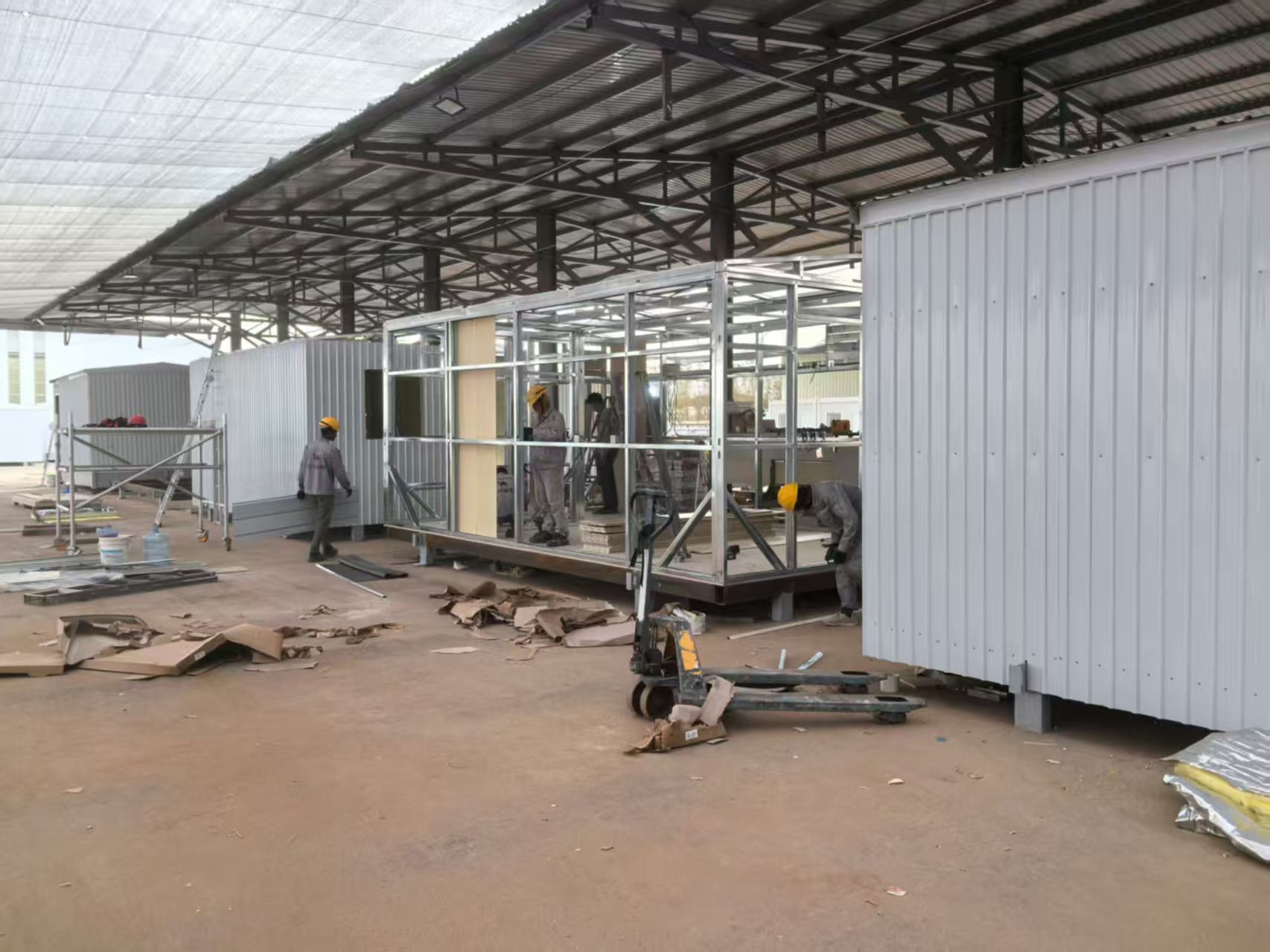
Concurrently, the company has developed several innovations specifically tailored to Saudi Arabia's unique climate:
Intelligent Temperature Control System: Reduces cooling energy consumption by 40% through the use of phase-change material wall panels and solar-assisted air conditioning.
Sand and Dust Filtration Technology: A specially designed positive-pressure ventilation system maintains indoor air purity.
Modular Utility Interfaces: A "plug-and-play" utility connection system that complies with Saudi standards.
Based on the aforementioned experience, we can conclude that the choice between "detachable" and "flat-pack" modular systems is no longer an either-or technical debate; rather, it represents an optimal alignment based on the specific requirements of a given project. For often, the wisest choice lies in the harmonious coexistence of both technologies.
The end.
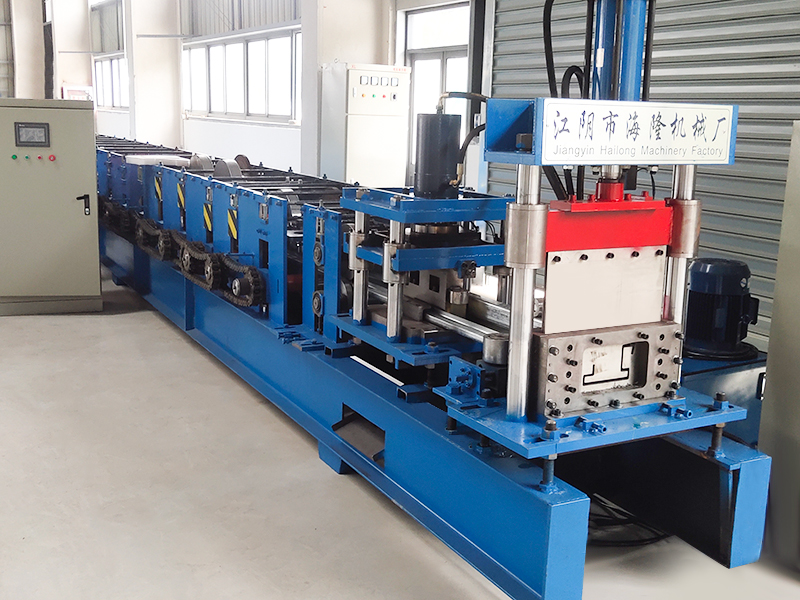
The flatpack container house top beam roll forming machine is specially tailored for the flatpack container roof structure production. Through high-pr...
See Detail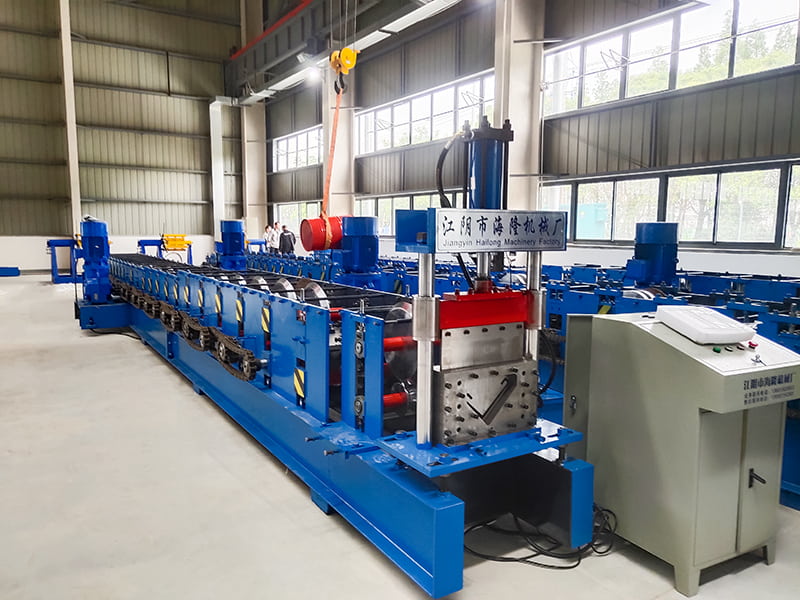
The Flatpack container house column roll forming machine is an automated cold roll forming production line specifically designed for the cross-section...
See Detail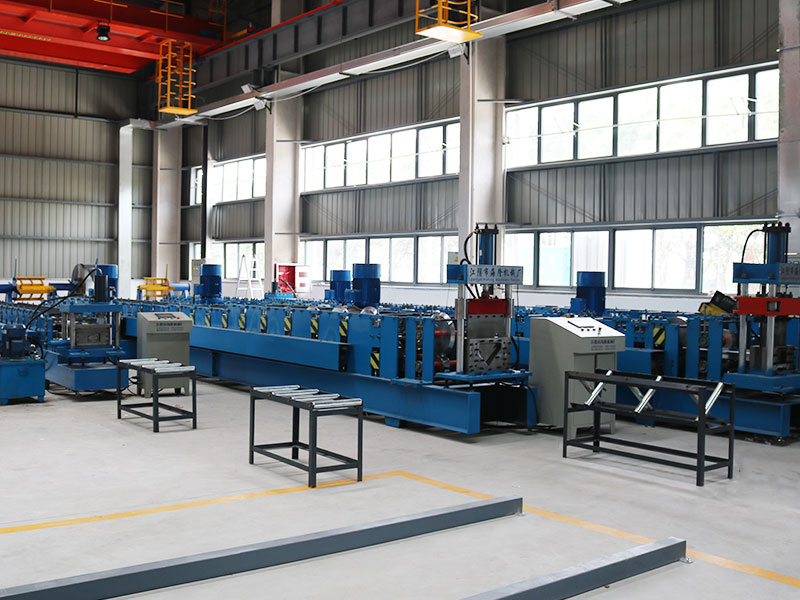
Detachable Container House: refers to a special container or modular building unit. It is characterized by being able to be quickly assembled, disasse...
See Detail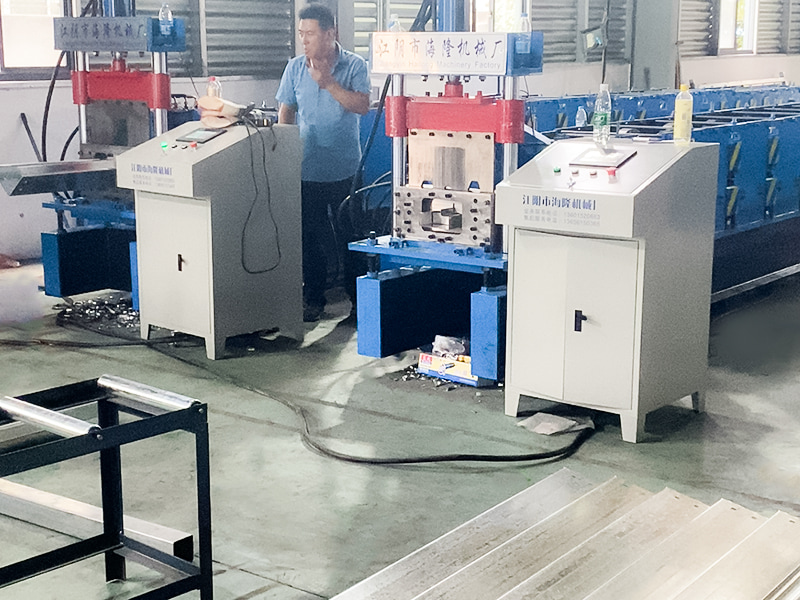
The Detachable Container House Beam is the main load-bearing structural member of the Detachable Container House (a modular container-type house, equi...
See Detail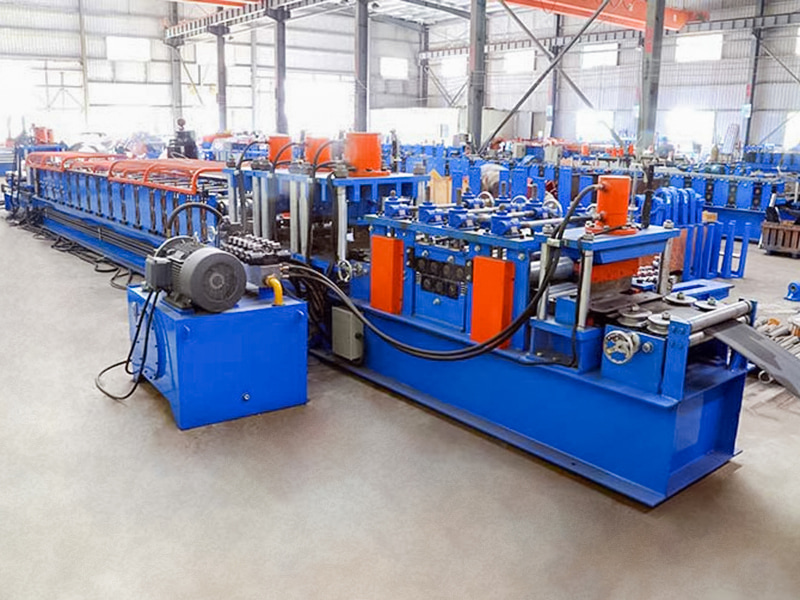
The 80-300 type Fully Automatic C-purlin Roll Forming Machine is a high-performance automated production equipment designed to meet the construction i...
See Detail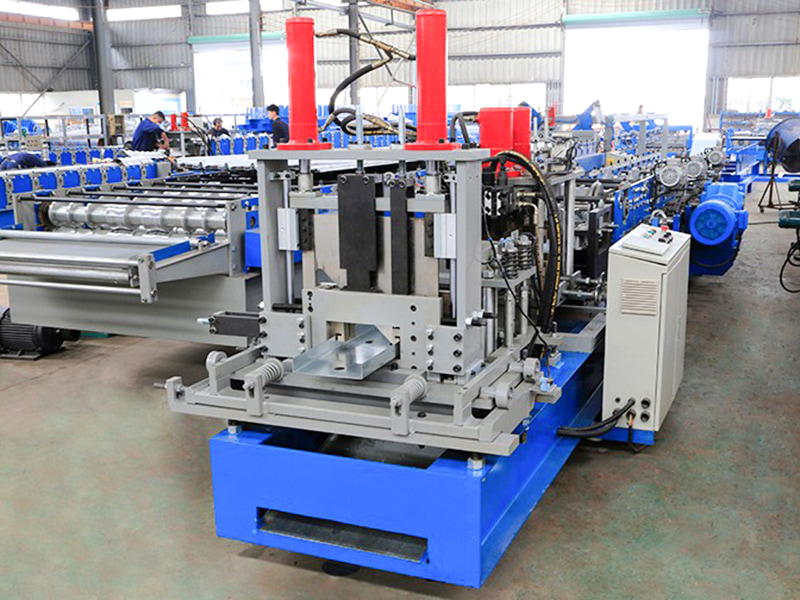
The 80-300 type C/U purlin roll forming machine is an automated machine specifically designed for the continuous production of C- and U-shaped purlins...
See Detail

Copyright ©Jiangyin Hailong Machinery Factory All rights reserved Roll Forming Machine Manufacturers
