


 English
 中文简体
中文简体 русский
 عربى
عربىSteel Stud and Track Roll Forming Machines
Steel Stud and Track Roll Forming Machines are automated machines specifically designed to continuously cold-bend and plastically deform continuous co...
See DetailContent
A contractor who buys purlins pays for the section, the freight, and somebody else's margin. A fabricator who installs a roll forming line pays for steel coils and produces the same section at 15 to 25 meters per minute — punched, cut to length, and stacked — for the next decade or more. That gap in cost per ton is why roll forming machines anchor the supply chains of steel buildings, metal roofing, and modular construction.
If you are comparing suppliers right now, here is the short answer: a roll forming machine bends flat steel coil into a fixed cross-section by passing it through a series of shaped rollers, without heat, and the buying decision should weight roller material, machining accuracy, and after-sales support more heavily than the top speed written into a quotation. The sections below explain how the process works, which machine families match which products, and which specifications separate a line that runs for years from one that fights you every shift.
The principle is easy to describe and demanding to build. A coil of galvanized, pre-painted, or black steel is loaded onto a hydraulic uncoiler, leveled flat, and guided into a train of forming stations. Each station carries a pair of rollers profiled to bend the strip slightly further than the station before it. After ten to twenty passes, the flat strip has become a C purlin, a trapezoidal roof sheet, a cable tray, or whatever section the tooling was cut for. A PLC-controlled cutting unit tracks the moving profile with an encoder and cuts each piece to programmed length.
Three details in that sequence explain most of the quality differences between machines:
If you want a component-level tour before comparing quotations, our roll forming machine overview explains each part of the line, from decoiler to discharge, in more detail.
Roll forming is a single process applied to many end products, so manufacturers classify machines by output rather than by mechanism. The table below maps the main families to what they produce and where that output is used.
| Machine family | Typical output | Common applications |
|---|---|---|
| C, CU, and CZ purlin machines | C, Z, and CZ purlins, typically 80–300 mm webs | Steel building framing |
| Roof and wall sheet machines | IBR, corrugated, standing seam, glazed tile, and ridge cap profiles | Metal roofing and cladding |
| Double layer machines | Two profile types on one line, such as the 9/12/1025 type | Roofing plants serving mixed profile demand |
| Container house section machines | Beams and columns for detachable and flat-pack houses | Modular and portable buildings |
| Metal profile machines | Highway guardrails, cable trays, stud and track, solar strut channels | Infrastructure, logistics, and solar projects |
| Auxiliary machines | Uncoiling, leveling, and cut-to-length of coils | Coil preparation ahead of forming |
Purlin machines are the workhorse of steel building supply. On a fully automatic C purlin roll forming machine in the 80–300 mm class, changing web size is a servo adjustment rather than a roller swap, which matters when your project mix includes several spans. The same tooling platform usually extends to Z and CZ profiles, so one line can carry an entire purlin program.
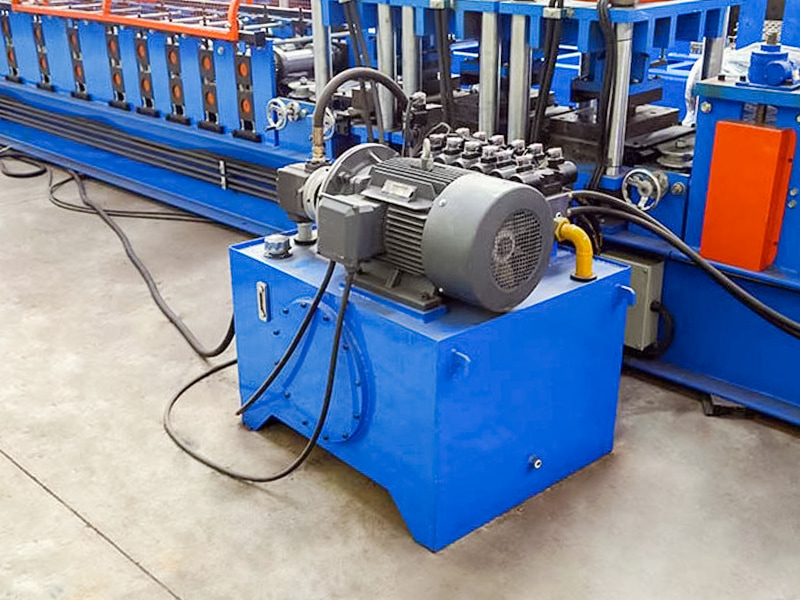 C80-300 Fully Automatic C Purlin Roll Forming MachineThis machine forms C purlins in the 80–300 mm range, where changing web size is a servo adjustment rather than a roller swap. A practical choice for steel building suppliers handling varied purlin spans.View Product →
Sheet machines cover the profiles that go on roofs and walls. A 686 type IBR sheet roll forming machine, for example, produces the ribbed panels widely used across Africa, the Middle East, and Australia — and pairing it with a matched uncoiler and runout table is what turns a machine into a workable production cell.
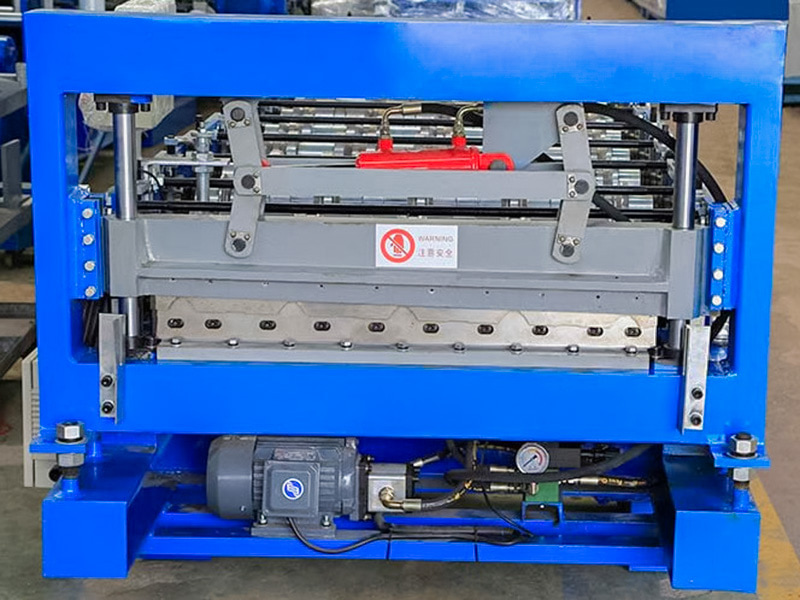 686-Type IBR Sheet Roll Forming MachineThe 686 IBR machine produces the ribbed roof and wall panels widely used across Africa, the Middle East, and Australia. Paired with an uncoiler and runout table, it becomes a complete sheet production cell.View Product →
Most quotations list dozens of numbers; four of them actually predict how the machine will behave in your workshop.
Confirm the thickness window and the maximum yield strength, not just the section drawing. A line built for 0.3–0.8 mm roofing sheet will not form 3.0 mm purlins, and tooling rated for 235 MPa steel will wear quickly and distort sections if you push 345 MPa high-strength coil through it.
Roller material and heat treatment decide lifespan. Quenched, chrome-plated tool steel holds its profile for years; under-hardened rollers lose surface hardness and start marking coated sheet within months. Shaft diameter matters as well — thicker shafts resist deflection under wide panels, which protects both tolerance and bearing life.
Ask for length accuracy under production conditions, not from the brochure. A PLC with encoder feedback typically holds within ±1 to ±2 mm, and if purlins must line up with pre-drilled columns or panels must stack cleanly, that single number decides how much rework your operators do every shift.
On CZ purlin lines, automatic size changeover can cut half an hour of manual adjustment down to a few minutes of servo movement. On sheet lines, a double layer machine runs two profiles on one frame — economical where roof and wall profiles share a market, though it cannot produce both at full speed at the same time.
Headline speed is not daily output. A line forming at 20 m/min still stops for cutting, coil changes, and size adjustments, so realistic production per shift depends on the whole cycle. Ask each supplier to calculate output for your actual section, thickness, and length mix instead of accepting a single figure from the quotation.
Support terms decide uptime more than price does. Rollers, punches, seals, and electrical components wear on a schedule measured in years, and a line that waits weeks for a replacement roller costs more than the discount that came off its price. Before signing, confirm which spares are stocked, how they ship, and whether the supplier provides layout drawings, assembly guidance, and commissioning at your site.
It also helps to work through a structured checklist before shortlisting anyone; our guide to choosing the right roll forming machine walks through the decision in the order most buyers actually face it.
Maintenance access should be reviewed at factory inspection, not discovered after installation. Check that chain and gear guards still allow lubrication, that the hydraulic unit leaves room for filter changes, and that the frame carries a datum you can re-verify after transport. Buyers who walk through these details before shipment almost always avoid retrofit costs later.
The right choice follows from what your customers order, and most workshops grow in one of a few predictable directions:
Modular and container house factories need a different set of sections, because the beams and columns must interlock when the building is assembled on site. For detachable container house production, the detachable container house beam roll forming machine is typically the first investment, followed by the column machine once order volume justifies it.
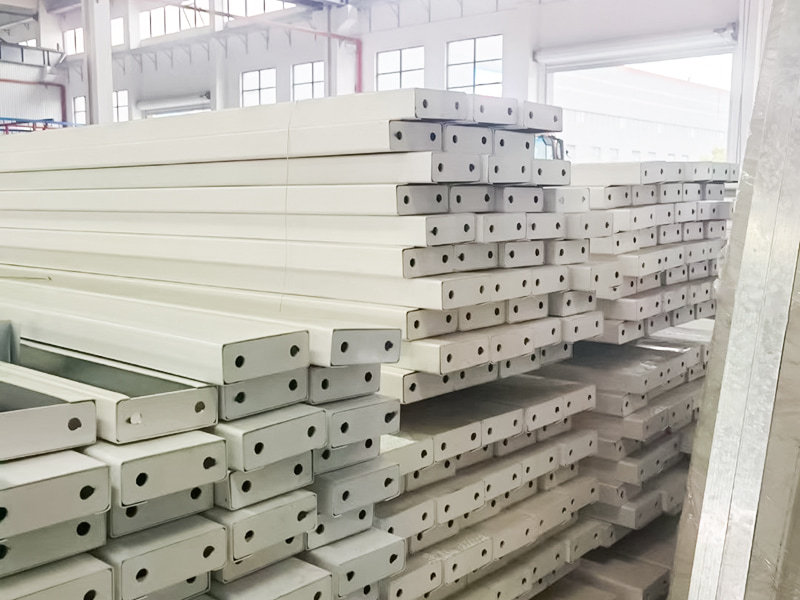 Detachable Container House Beam Roll Forming MachineFor detachable container house production, the beam machine is typically the first investment, forming interlocking beam sections that must fit precisely when the building is assembled on site.View Product →
Whichever direction you take, plan the front of the line early. Uncoilers, leveling machines, and cut-to-length units look like accessories, but they set how smoothly coil reaches the forming stands — and under-specifying them throttles an otherwise capable machine.
A roll forming machine is a long-term production decision disguised as an equipment purchase. The mechanics are standardized, but outcomes are not: profile accuracy, coating condition, changeover time, and service response all trace back to choices made before the order was signed. Shortlist suppliers who can show finished rollers, real tolerances under load, and a written support plan, then match the machine family to the sections your market actually buys. Get those steps right, and the line quietly pays for itself one coil at a time.
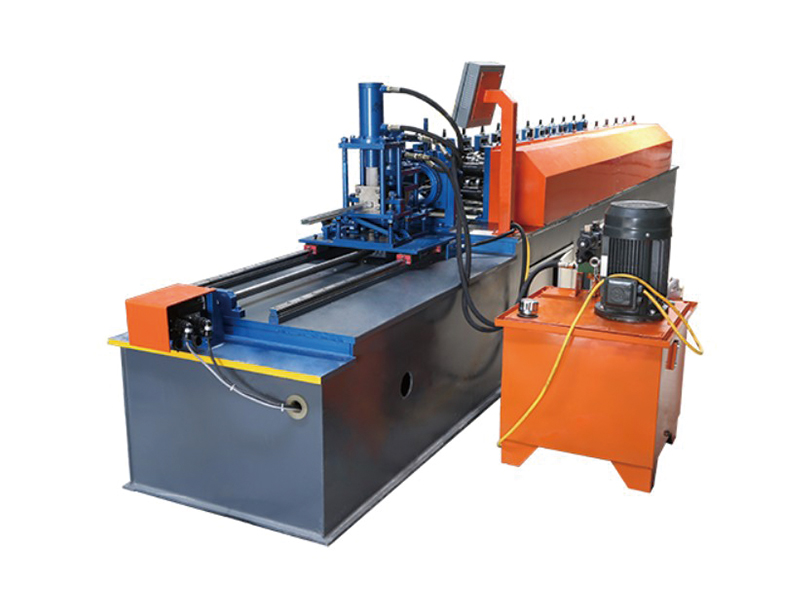
Steel Stud and Track Roll Forming Machines are automated machines specifically designed to continuously cold-bend and plastically deform continuous co...
See Detail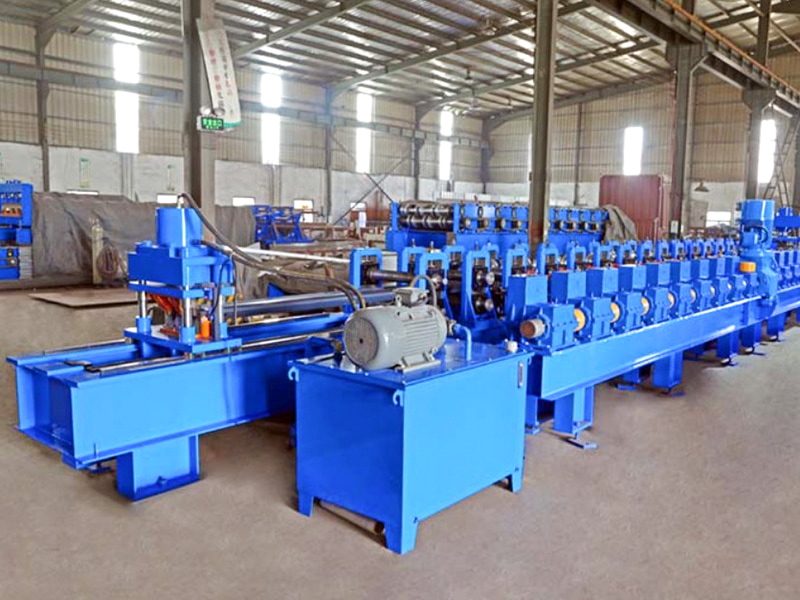
The highway guardrail roll forming machine is an automated cold-forming machine specifically designed for the continuous production of W-beam guardrai...
See Detail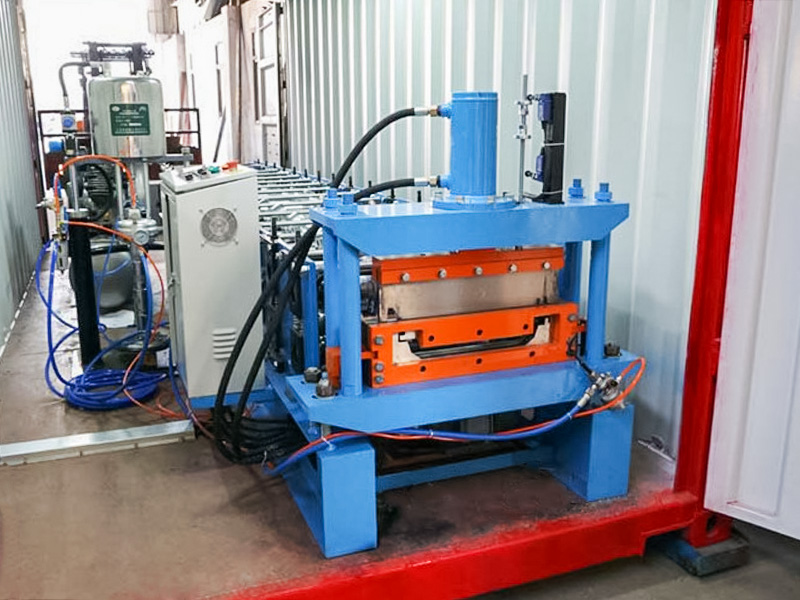
Compared with the common roofing sheet roll forming machine, the standing seam roll forming machine has a smaller body size, but the rolling tools are...
See Detail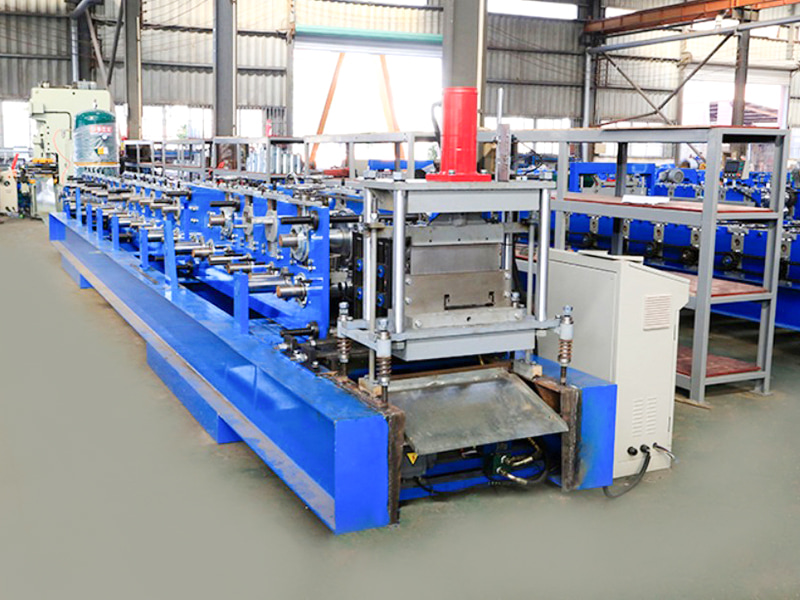
The Scaffold Industry Roll Forming Machines is an automated rolling machine specifically designed for the mass production of steel walkboards (scaffol...
See Detail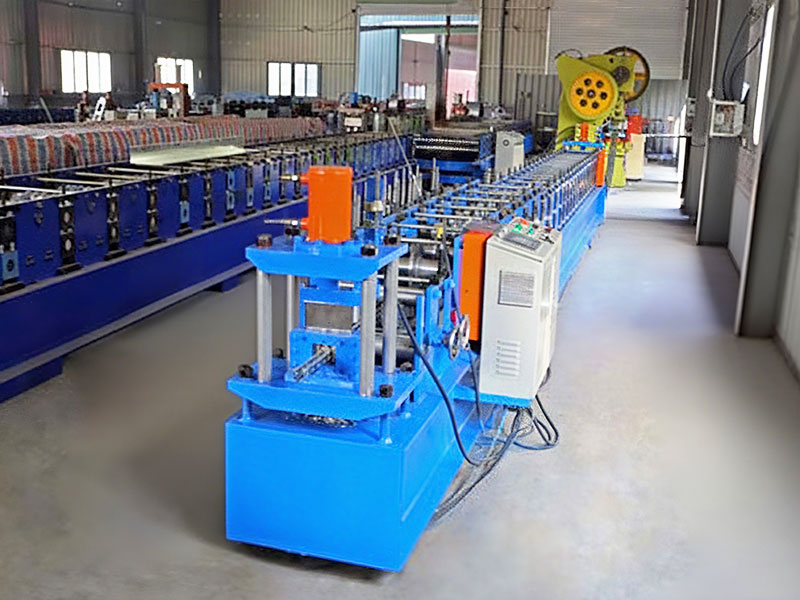
The Solar Strut Channel Roll Forming Machines is a fully automated rolling machine specifically designed for producing metal components for solar phot...
See Detail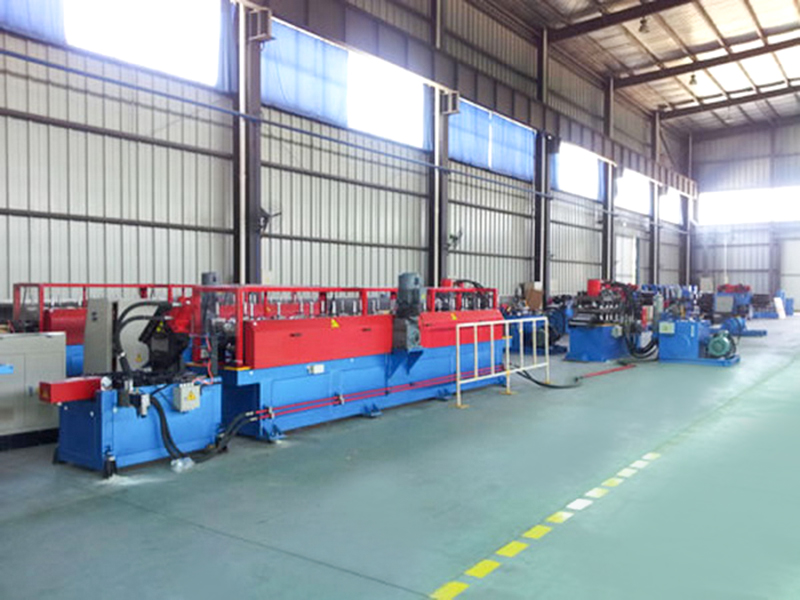
The door frame roll forming machine is a cold-bending and rolling-forming machine specifically designed for producing door and window frames (such as ...
See Detail

Copyright ©Jiangyin Hailong Machinery Factory All rights reserved Roll Forming Machine Manufacturers
