


 English
 中文简体
中文简体 русский
 عربى
عربىC47-147 Type Fully Automatic Purlin Roll Forming Machine
The C-purlin Roll Forming Machine is a core piece of specialized equipment in the manufacturing of steel structure building envelope systems. Using ga...
See DetailContent
Buying a purlin roll forming machine comes down to one practical conclusion: the right line is the one that matches the profile family you sell, the steel grade and thickness you process, and the output rhythm of your workshop. Everything else - roll tooling details, punching options, and PLC settings - follows from those three decisions. This is the framework we use in our own design work, and it has guided the purlin lines we have built for more than two decades.
Steel fabricators usually start looking for a purlin machine for one of two reasons. Either the lead time and freight cost of bought-in purlins keep climbing, or a steel building project needs a dependable in-house supply of C, Z, or CZ sections. Whatever the trigger, the machine has one job: to turn a coil of flat strip into precisely formed and precisely cut purlins at a speed that keeps the workshop's production plan on track.
A purlin roll forming machine is a continuous cold-forming line. The steel strip starts as a coil on a decoiler, passes through a leveling unit, and then enters a sequence of forming stations. Each station bends the strip a little more, so the final cross-section is built up gradually rather than forced into shape in one heavy stroke. Progressive bending preserves surface quality and keeps the section geometry consistent along the full length of every purlin.
In a fully automatic line, punching and cut-to-length operations are synchronized with the forming speed by a PLC control system. A flying cutoff unit tracks the moving profile and cuts it to the ordered length while the line keeps running. At the discharge end, identical purlins are stacked and ready for delivery to the building site.
Purlins are the secondary members that run horizontally between columns and roof beams. They support roof sheeting and wall cladding and transfer wind and roof loads back to the primary steel frame. The profile may look simple, but the accuracy of the cross-section and the hole spacing determines how quickly the building goes together on site.
A purlin line is configured for a specific profile family, and each family has a different structural logic. Four profiles dominate purlin production: C, Z, CZ, and CU.
| Profile | Section range | Typical building use | Buying note |
|---|---|---|---|
| C purlin | 80-300 mm web height | Roof and wall purlins on simple-span frames | Easiest profile to bolt; the common starting point for new purlin production |
| Z purlin | 80-300 mm web height | Continuous-span roof purlins with lapped joints | Better load transfer, but direction-dependent at splices |
| CZ changeable line | 80-300 mm | Shops producing both C and Z sections | Saves a second machine; more adjustment time between runs |
| CU purlin | 80-300 mm | Corners, openings, and frames that need extra stiffness | Usually ordered together with C purlins for a complete building set |
The C profile - a flat web with two flanges and inward-folded lips - is the most widely used purlin section. It is easy to bolt and fits the simple-span layout of most light steel buildings. For a workshop entering purlin production, the 80-300 type fully automatic C purlin roll forming machine is a typical starting point because it covers the common section range for roof and wall purlins in one unit.
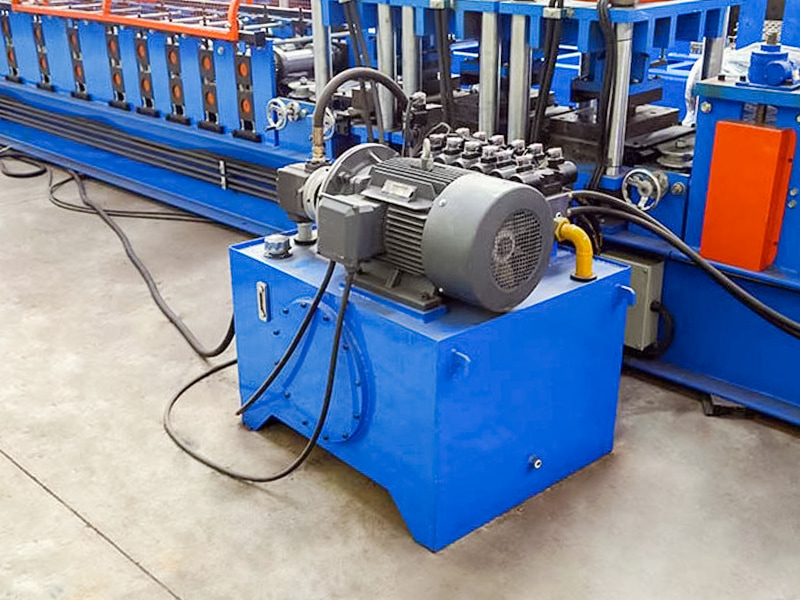 C80-300 Type Fully Automatic C Purlin Roll Forming Machine Suppliers, Company - Jiangyin Hailong Cold Bending Machinery Technology Co., Ltd. is China Customized C80-300 Type Fully Automatic C Purlin Roll Forming Machi...View Product →
The Z profile improves load transfer on multi-span roofs because adjacent sections can be lapped and bolted through the web, but flange orientation must be checked at every splice. The difference matters at the design stage, and our comparison of C, Z, and CZ purlin machines explains the joint and span behavior in detail.
For shops that regularly produce both C and Z sections, a CZ machine avoids the cost and floor space of a second line. A 80-300 type CZ purlin roll forming machine switches between the two geometries, so the same coil and the same operator cover two product families.
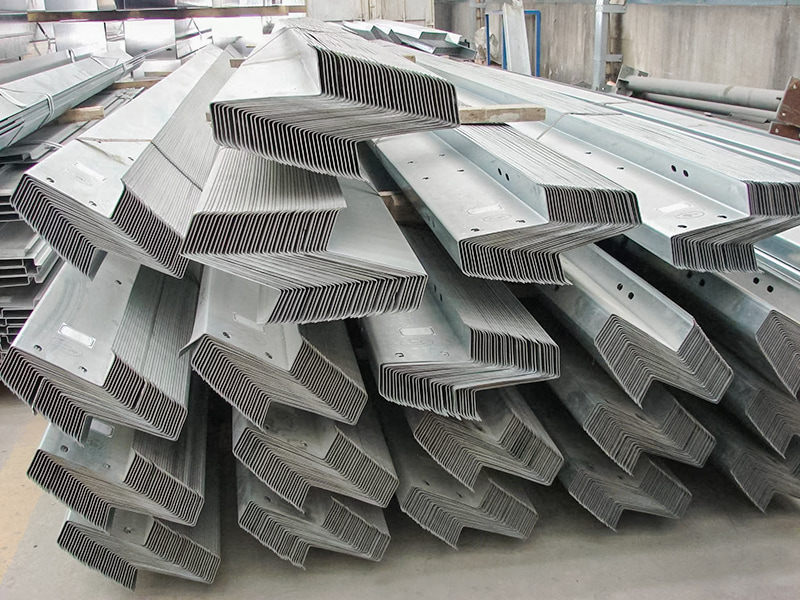 80-300 Type CZ Purlin Roll Forming Machines Suppliers, Company - Jiangyin HailonJiangyin Hailong Cold Bending Machinery Technology Co., Ltd. is China Customized 80-300 Type CZ Purlin Roll Forming Machines Suppliers an...View Product →
The CU profile is a channel section with folded lips, used at openings, corners, and frame details that need extra rigidity. It is rarely the first profile a buyer thinks about, but almost every purlin order includes some CU sections. A dedicated 80-300 type fully automatic CU purlin roll forming machine is a straightforward way to fill that gap.
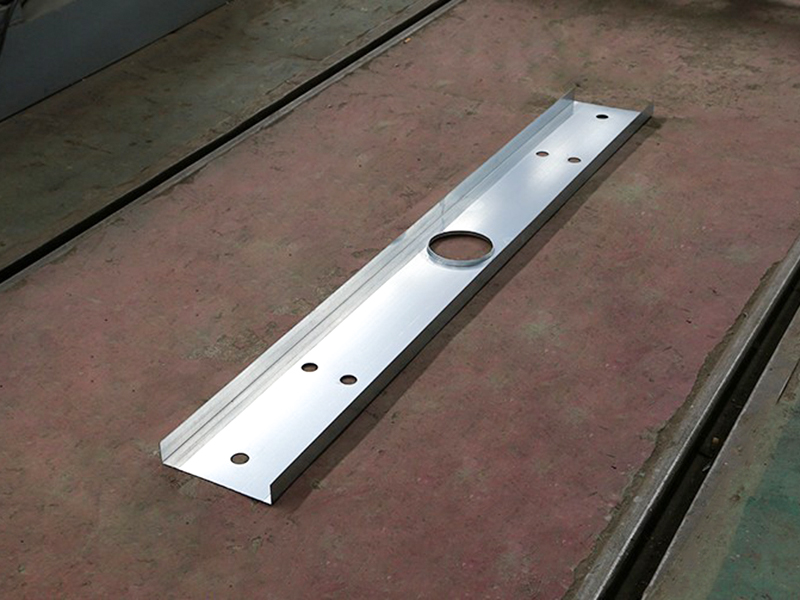 80-300 Type Fully Automatic CU Purlin Roll Forming Machine Suppliers, Company - Jiangyin Hailong Cold Bending Machinery Technology Co., Ltd. is China Customized 80-300 Type Fully Automatic CU Purlin Roll Forming Machi...View Product →
The maximum forming speed printed on a datasheet is not the production speed you will get. Real output is decided by the slowest step in the cycle: the punching sequence, the cut-to-length signal, or the time needed to clear the finished piece. A line producing long purlins without holes runs close to its forming speed; the same line producing short purlins with multiple punched holes will be limited by the punching cycle.
Three factors matter more than maximum speed:
A practical way to evaluate a machine is to give the manufacturer one typical order - six-meter purlins with four punched holes, for example - and compare the full automatic cycle time. That number, not the brochure speed, is what belongs in your production plan.
The selection process is more reliable when it follows the same sequence as the production line itself.
List the buildings and components you actually produce. If most of your output is roof and wall purlins for simple-span steel frames, a single-purpose C purlin line is the most direct investment. If your orders include a regular mix of C and Z requirements, a CZ machine keeps one line busy instead of buying two.
Roll gaps, roll materials, punching force, and motor power all depend on the strip grades, thicknesses, and web heights you plan to process. A machine designed for the exact range you run will hold tolerance consistently and use less energy than an oversized general-purpose line. Tell the manufacturer the actual steels, not just the building dimensions.
Take a typical order and work through the limiting steps: forming speed, punching time, and cut cycle. Ask the supplier for the full automatic cycle time on that specific section. If the number is short of your daily requirement, request a faster punching unit or a longer cutoff stroke instead of a higher headline speed.
A purlin machine needs a level foundation, crane access for loading coils, and a reliable electrical supply. Ask about installation guidance, operator training, and the availability of wear parts before you commit. Our specification and selection guide for C, CU, and CZ purlin machines walks through the same steps in more detail and lists the data buyers should collect before requesting quotations.
Over the years, most purchasing problems trace back to a handful of recurring mistakes:
A purlin roll forming machine is a long-term asset. The factory that designs the rollers, welds the frame, writes the PLC program, and supports the installation is part of the equipment you are buying. This is why engineering depth matters as much as the component list.
Jiangyin Hailong Machinery has built cold-roll forming equipment since 2003. The company employs 160 people, including 14 technical staff, five intermediate engineers, and two senior engineers, and operates more than 14,000 m² of production space. For a buyer, the practical effect is that technical support comes from the same team that designed the line, with experience gained from purlin installations across different markets.
Buyers are welcome to browse our full purlin machine range to compare the C, CZ, and CU lines at a glance. The most reliable next step, however, is to send the factory your actual profile list and steel specifications. With those details, a machine recommendation becomes an engineering decision rather than guesswork - and that is exactly how a purlin line should be chosen.
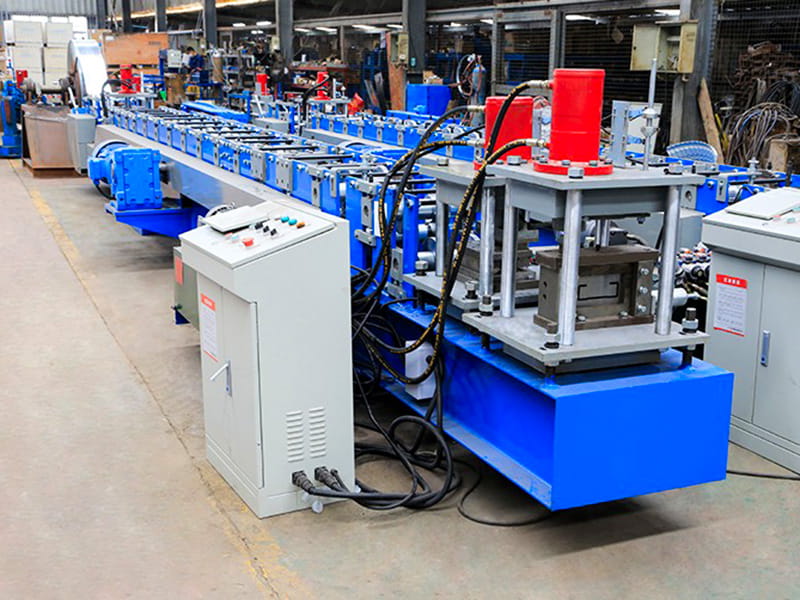
The C-purlin Roll Forming Machine is a core piece of specialized equipment in the manufacturing of steel structure building envelope systems. Using ga...
See Detail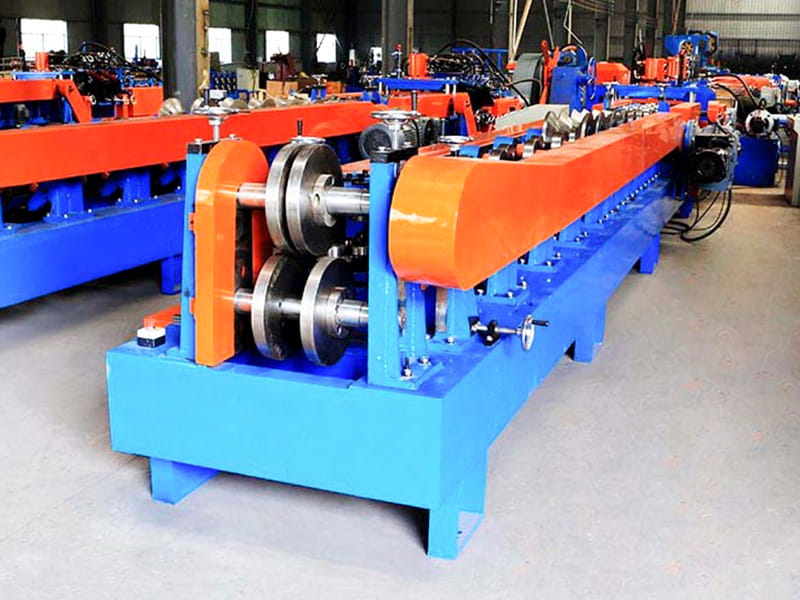
The 100-300 Type CZ Purlin Roll Forming Machine is a versatile, flexible cold-roll forming system specifically designed for steel structure building e...
See Detail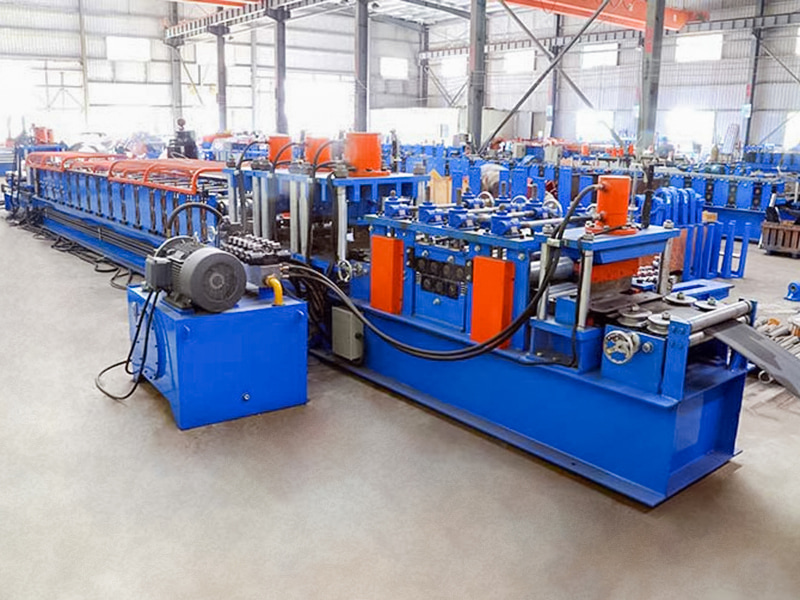
The 80-300 type Fully Automatic C-purlin Roll Forming Machine is a high-performance automated production equipment designed to meet the construction i...
See Detail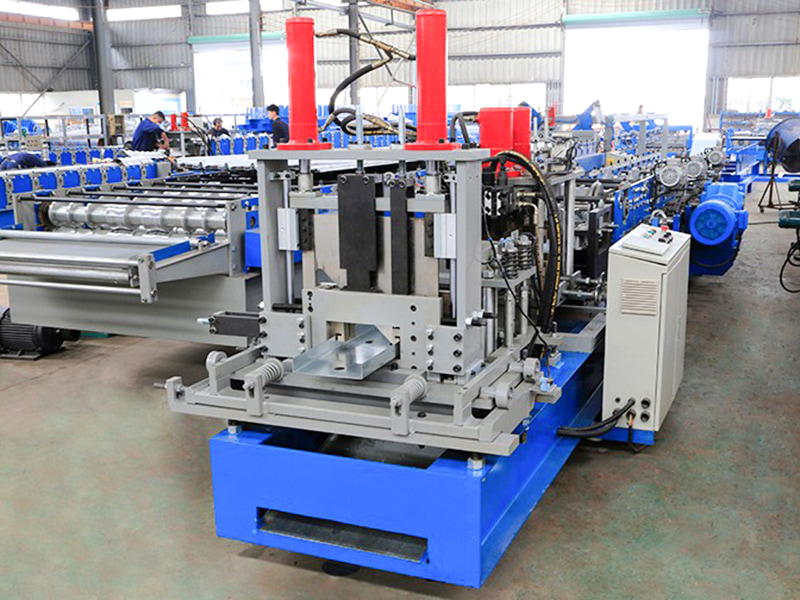
The 80-300 type C/U purlin roll forming machine is an automated machine specifically designed for the continuous production of C- and U-shaped purlins...
See Detail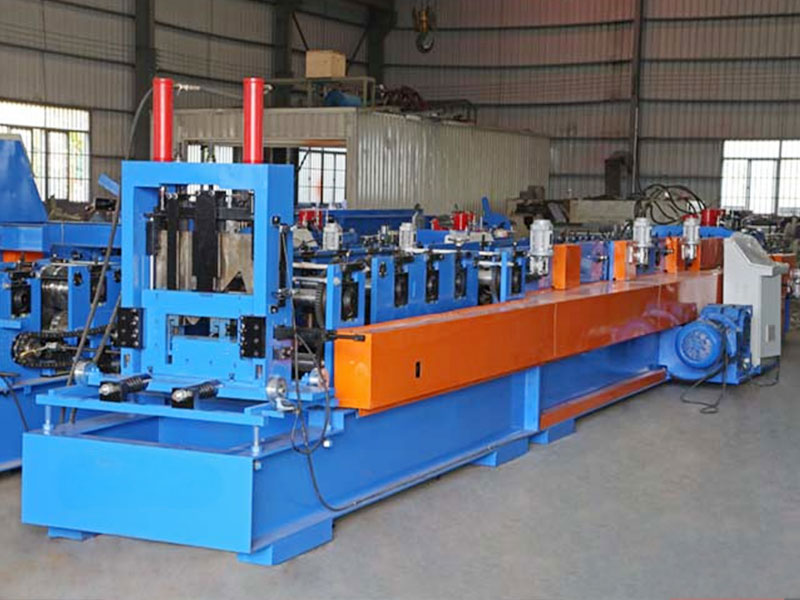
The CZ Purlin Roll Forming Machine is a highly automated industrial machine specifically designed for the efficient and continuous production of C/Z-s...
See Detail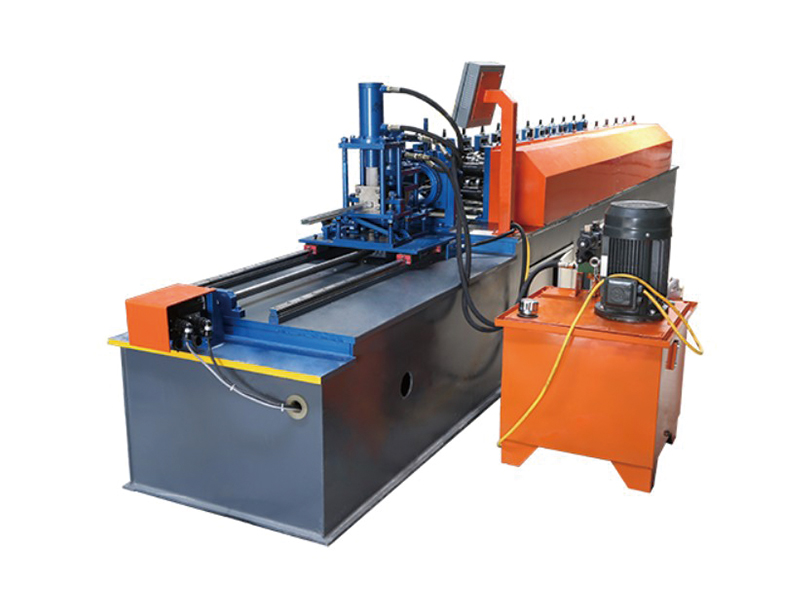
Steel Stud and Track Roll Forming Machines are automated machines specifically designed to continuously cold-bend and plastically deform continuous co...
See Detail

Copyright ©Jiangyin Hailong Machinery Factory All rights reserved Roll Forming Machine Manufacturers
