


 English
 中文简体
中文简体 русский
 عربى
عربى1000-Type IBR Sheet Roll Forming Machine
The IBR 1000 profile is a classic, internationally recognized roofing system, widely adopted in regions such as Australia, Southeast Asia, the Middle ...
See DetailContent
Most production managers realize they need a metal sheet roll forming machine only after they have sold a profile and tried to source it. The machine takes a flat coil of steel or aluminum and forms it into a continuous section with multiple pairs of rollers, so the finished sheet is consistent. The key point to understand before buying is this: machine selection depends more on the profile cross-section and coil parameters than on advertised speed. Start with your product drawings, then match the machine.
Roll forming is a continuous bending process. A strip from a coil is uncoiled, leveled, and fed through a series of roll stations; each pair of rolls bends the metal progressively until the desired profile is reached. Because the work is done at room temperature and incrementally, you can form profiles with long lengths, sharp bends, and complex cross sections in one pass. The output can be cut to length by a hydraulic shear or a flying die cutter located after the last forming station.
Compared with press braking, roll forming spreads the deformation over many roll passes instead of one die, so the material is not forced beyond its limits in a single hit. This makes the process economical for high volumes and for profiles that must stay identical across thousands of meters. It also explains why the number of stations matters: deep profiles need more stations to distribute the bend angle, while shallow roofing profiles need fewer.
For a metal sheet line, the strip width is typically between 600 mm and 1250 mm, depending on the intended panel cover width. The machine should also be designed for a specific material thickness range, because a line that can form 0.8 mm steel is not necessarily stable on 0.3 mm aluminum. This is the first thing to verify with a manufacturer.
Within the metal sheet category, the machine name usually refers to the final profile. The most common families are corrugated sheet machines, IBR machines, double-layer machines, glazed tile machines, standing seam machines, and floor decking machines. Their differences are not only appearance; they affect material thickness, cover width, and roll tooling.
Corrugated sheet machines are often the simplest. A 780-type high-precision corrugated sheet roll forming machine, for example, is used for symmetrical corrugated panels with a 780 mm cover width. It is a practical first machine for wall cladding and affordable roofing projects.
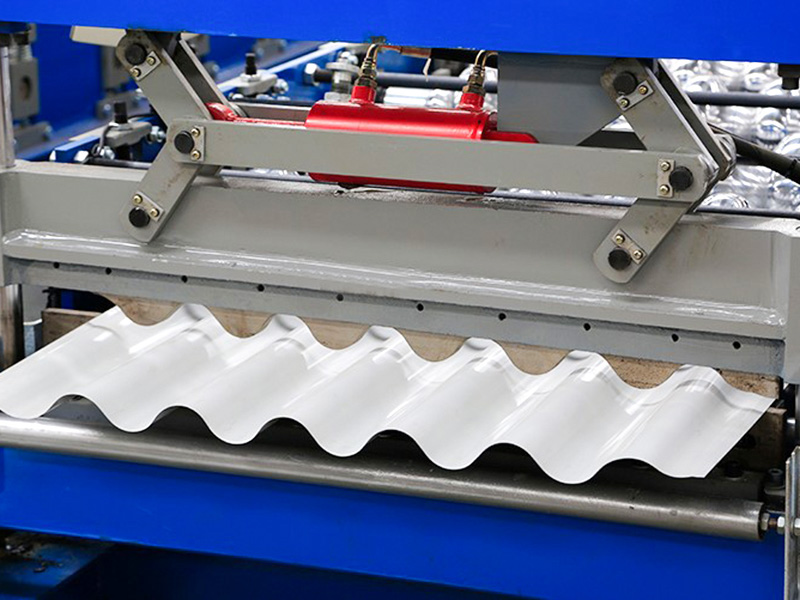 780-Type High Precision Corrugated Sheet Roll Forming Machines Suppliers, CompanJiangyin Hailong Cold Bending Machinery Technology Co., Ltd. is China Customized 780-Type High Precision Corrugated Sheet Roll Forming Ma...View Product →
IBR machines produce the wide trapezoidal IBR panels common in Africa, with a characteristic stiffening rib. The 686-type strong stability IBR sheet roll forming machine is a typical setup when the buyer needs a reliable 686 mm panel with consistent side laps. It is often paired with a sheet cutting mechanism and stacker.
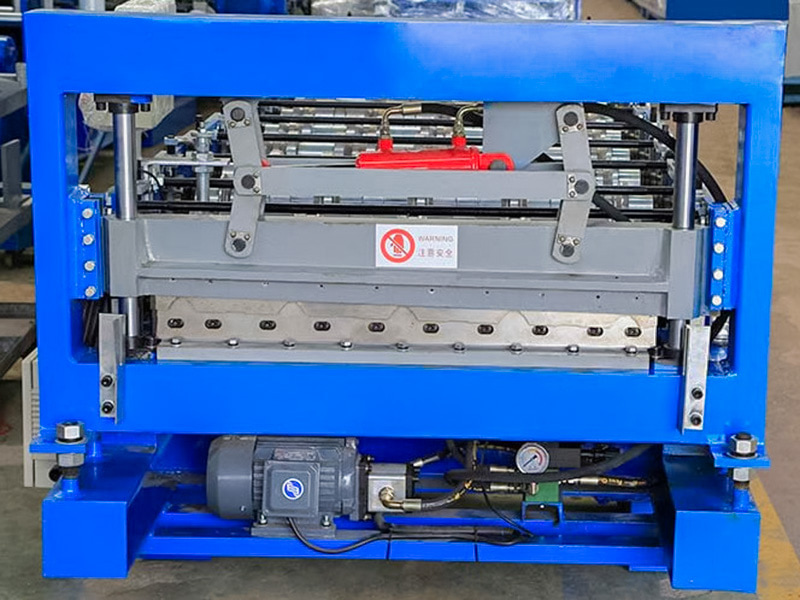 686-Type Strong Stability IBR Sheet Roll Forming Machines Suppliers, Company - JJiangyin Hailong Cold Bending Machinery Technology Co., Ltd. is China Customized 686-Type Strong Stability IBR Sheet Roll Forming Machine...View Product →
When output has to be expanded without taking up extra floor space, a double-layer machine solves the problem. A 9/12/1025-type double-layer roll forming machine can form one profile on the upper level and another on the lower level, so the line is shorter and changeover time is reduced. It suits companies that want corrugated or tile profiles without buying two separate lines.
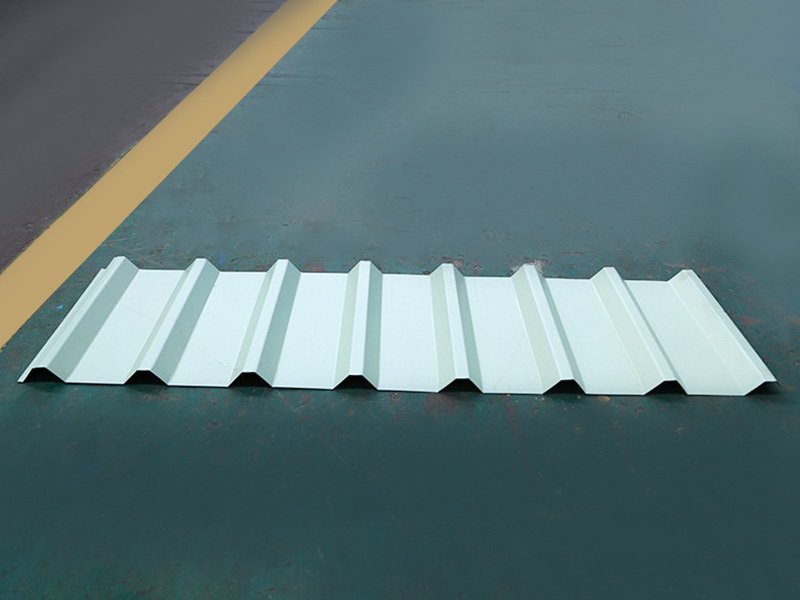 912-1025 Type Double Layer Roll Forming Machine Suppliers, Company - Jiangyin HaJiangyin Hailong Cold Bending Machinery Technology Co., Ltd. is China Customized 912-1025 Type Double Layer Roll Forming Machine Supplier...View Product →
Other profile families worth knowing are standing seam machines for vertical roof joints, glazed tile machines for decorative profiles, and decking machines for composite floor slabs. Each has its own roll set and cutoff design. The table below lists the factors to confirm before you request a quotation.
| Machine type | Cover width | Material thickness | Main specification to check |
|---|---|---|---|
| Corrugated sheet machine | 600–900 mm | 0.3–0.8 mm | Number of roll stations and cutoff length control |
| IBR sheet machine | 600–760 mm | 0.35–0.7 mm | Side lap geometry and leak-resistant bends |
| Double-layer machine | 800–1220 mm | 0.3–1.0 mm | Upper and lower profile set and changeover time |
| Standing seam machine | 300–600 mm | 0.5–1.2 mm | Seam profile precision and portability |
The coil is the real boss. Even a new machine produces poor panels if the strip has an inconsistent thickness, poor flatness, or a varying width. Quality starts with incoming material, not with the machine.
Before each production run, measure the coil thickness with a micrometer. For 0.4 to 0.8 mm sheet, a thickness variation above plus or minus 0.05 mm will show on the finished profile. Width tolerance matters too, especially when the machine uses edge guides between the uncoiler and the first roll station; a variation of plus or minus 2 mm is typical for roofing coils, and the guides must absorb it.
Flatness is harder to check on the shop floor. A roll forming line that includes a flattener or leveler at the entrance protects the first stations from edge waves. Ask whether the line is sold with a leveler as standard. Adding one later to the same machine frame costs more than buying it initially, because the frame height and pass line change.
Tooling material also affects long-run cost. For normal roofing steel, hard chrome plated rolls are common. If you plan to form high-tensile steel near 550 MPa yield strength, discuss the roll material and hardness with the manufacturer. Otherwise, roll wear will change the profile dimension quickly and increase scrap.
Finally, check the elastic springback of the sheet. Roll forming relies on overbending each corner slightly to compensate for springback. A machine designed for soft steel may not produce the same final angle on high-tensile steel, even if the thickness is identical. Ask the supplier how the tooling can be adapted if you change material in the future.
Translate the profile drawing into a machine specification before comparing offers. The full method is explained in our how to choose the right roll forming machine article, but the basic points are these:
In addition to the checklist items, compare the line speed with the cutting system. Line speed is only useful when the length tolerance stays acceptable. For roofing panels, a length tolerance of plus or minus 2 mm is common; for industrial profiles, you may need plus or minus 1 mm. Ask the supplier to state the tolerance at the rated speed, because many machines lose accuracy when the shear cycles near its maximum.
One of the most common buying mistakes is selecting a machine before specifying the coil. The second most common mistake is ignoring maintenance after installation. A metal sheet roll forming machine that receives regular inspections on rolls, bearings, and lubrication will hold tolerance for years; our roll forming machine maintenance guide lists the checks that matter.
The right metal sheet roll forming machine does not have to be the biggest or fastest. It has to hold the exact profile dimension on the coil you can buy consistently. Define the profile drawing, the material range, and the daily output first; then compare machines on tooling, station count, and support. A clear specification also helps the supplier quote a competitive price, because both sides know exactly what the machine will do.
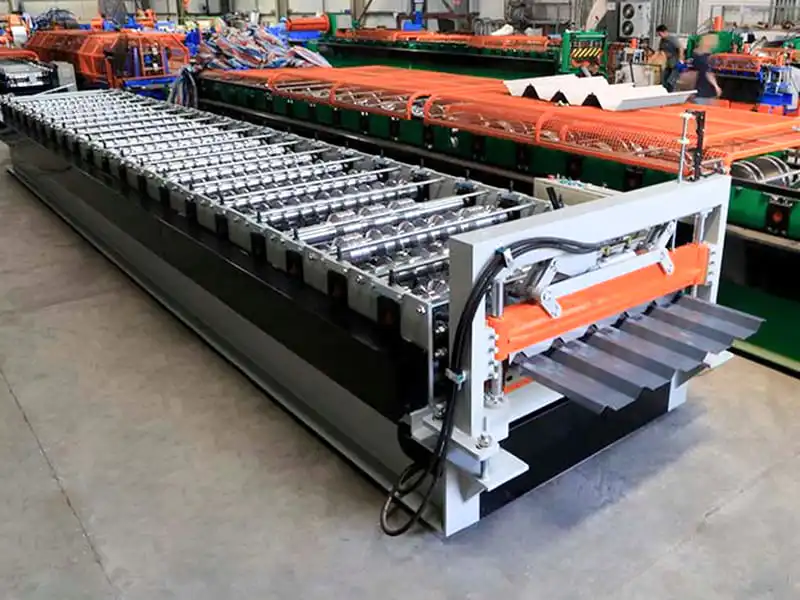
The IBR 1000 profile is a classic, internationally recognized roofing system, widely adopted in regions such as Australia, Southeast Asia, the Middle ...
See Detail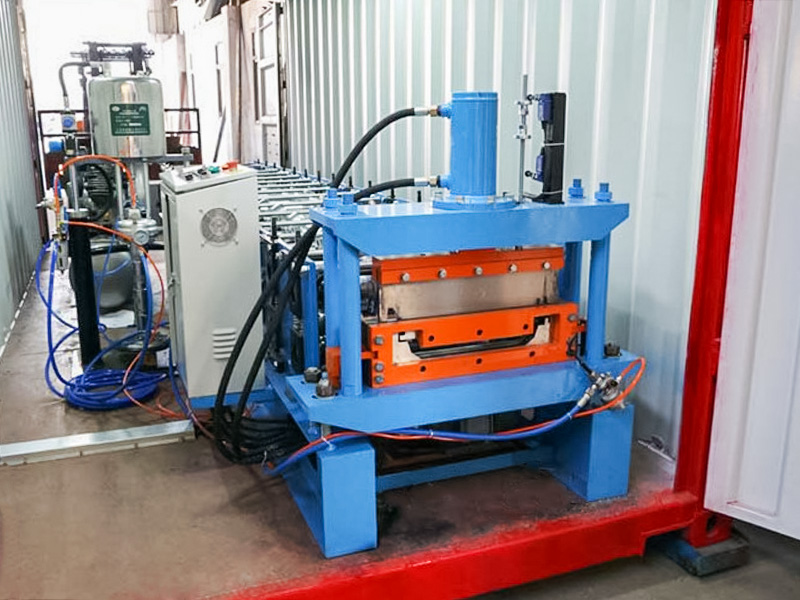
Compared with the common roofing sheet roll forming machine, the standing seam roll forming machine has a smaller body size, but the rolling tools are...
See Detail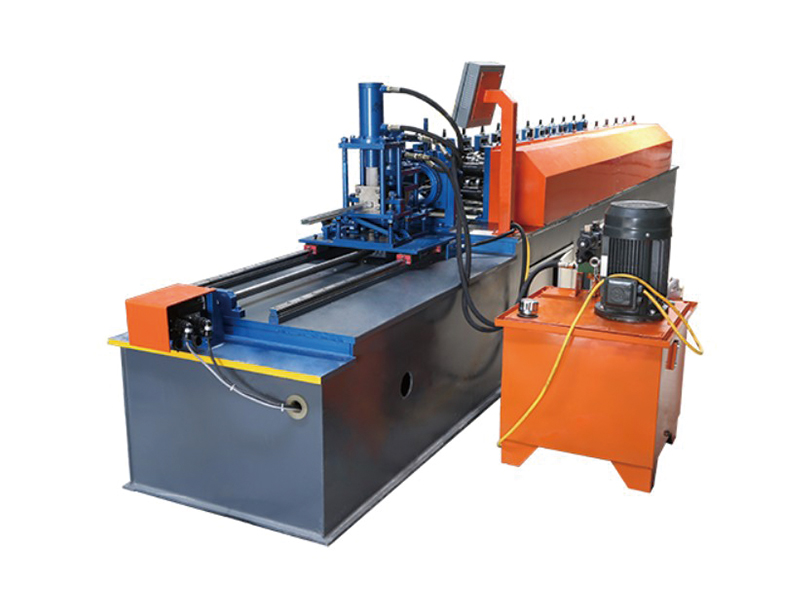
Steel Stud and Track Roll Forming Machines are automated machines specifically designed to continuously cold-bend and plastically deform continuous co...
See Detail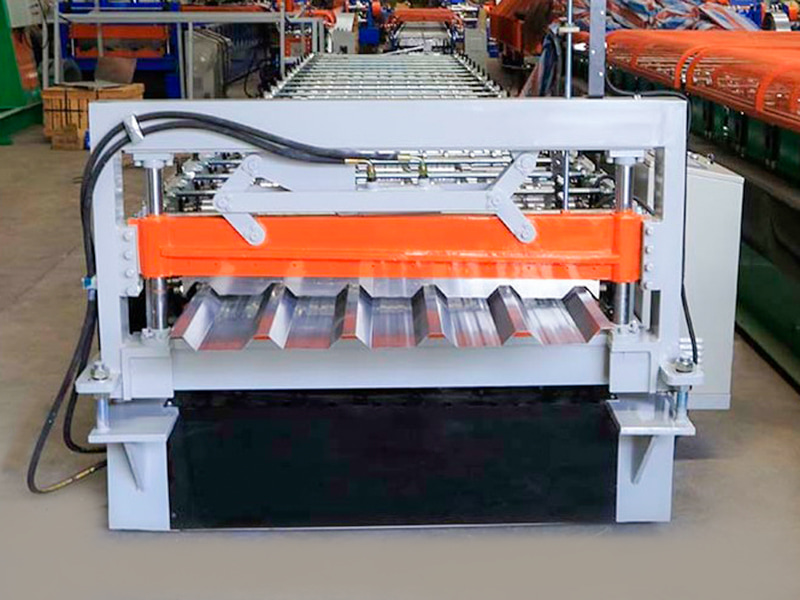
The high speed roofing sheet roll forming machine is a fully automatic sheet metal processing machine designed specifically for the construction indus...
See Detail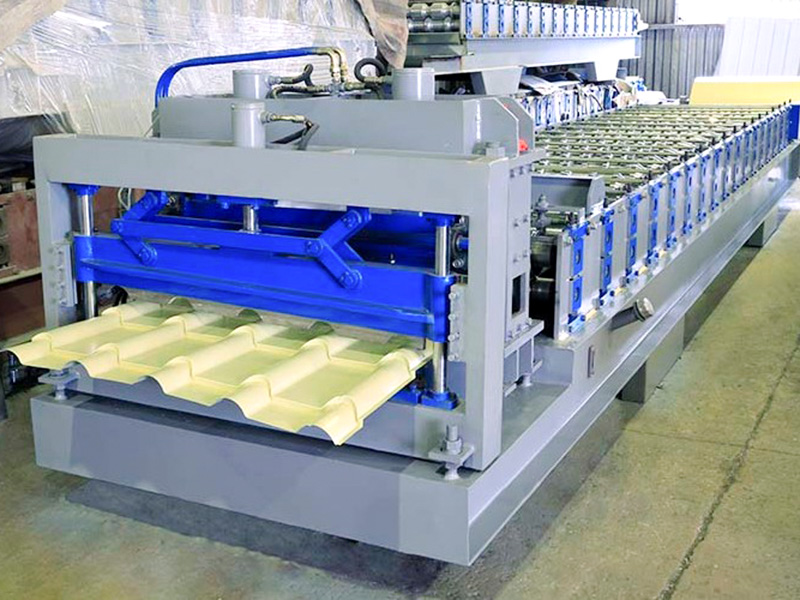
The Metal Glazed Tile Roll Forming Machine is specialized equipment designed to process color-coated steel coils into antique-style glazed tiles (S-sh...
See Detail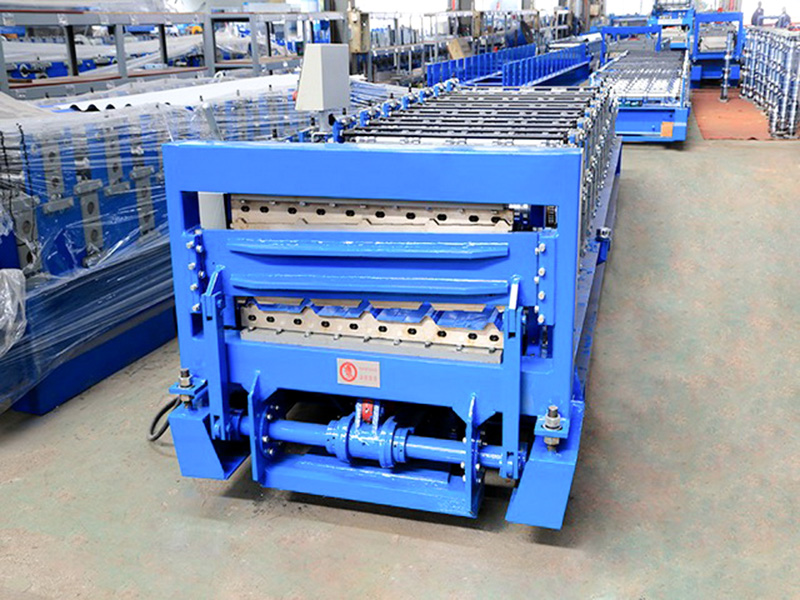
The 845/900-Type Double Layer Roofing Sheet Roll Forming Machine is a composite system that integrates two sets of roll-forming tooling—designed for I...
See Detail

Copyright ©Jiangyin Hailong Machinery Factory All rights reserved Roll Forming Machine Manufacturers
