


 English
 中文简体
中文简体 русский
 عربى
عربىCZ100-300 Type Fully Automatic Purlin Roll Forming Machine
The 100-300 Type CZ Purlin Roll Forming Machine is a versatile, flexible cold-roll forming system specifically designed for steel structure building e...
See DetailContent
A purlin has to carry roof and wall loads without twisting under repeated stress. That single requirement changes everything about the machine that makes it. A generic sheet-forming line can bend metal into a C or Z shape, but it won't hold the tolerance a structural engineer specs for span length and load rating. Purlin roll forming machines are built with tighter roller alignment, continuous punching stations synced to strip speed, and tension control that keeps the profile straight over long runs.
Hailong's full C, CU, and CZ purlin machine lineup covers this category with three distinct product lines rather than one machine adapted three ways. That distinction matters more than it sounds — each profile type has different bending logic, different die sets, and different failure points if the machine isn't built for it.
C-profiles are the default for straightforward roof and wall framing — open channel, easy to bolt, easy to stack. A dedicated C purlin roll forming line is built around fixed or PLC-adjusted flange width and depth, with roller stations set specifically for that lip geometry.
CU profiles add a lipped channel shape that resists lateral buckling better under bending loads, which matters for longer spans or heavier roof loads. The CU purlin roll forming machines for lipped channel profiles use a different roller sequence than standard C-machines to form that extra lip without cracking the strip at the bend.
CZ machines solve a different problem entirely: production flexibility. Instead of running two separate lines for C and Z shapes, an interchangeable CZ purlin roll forming setup switches profile direction in minutes through a rotating roller assembly. For fabricators juggling mixed orders, that switch time is often the deciding factor over raw output speed.
Marketing copy tends to lead with top speed. In practice, three numbers determine whether a machine fits your job: material thickness range, width range, and how consistently it holds tolerance at that thickness. Most purlin lines handle 1.5mm to 3.0mm steel, with width adjustable roughly between 80mm and 300mm — but the spread between entry-level and heavy-duty machines shows up in how the rollers are tooled. Cr12 or similar hardened roller material holds tolerance longer under high-volume runs; softer roller steel wears faster and starts producing inconsistent flange widths after a few thousand meters.
Forming speed matters too, but only relative to your downstream process. A line rated for 25 m/min is wasted if your punching or cutting station can't keep pace — the whole line runs at the speed of its slowest station, not its fastest. This is the same logic covered in Hailong's C/Z selection guide covering specs and sizing, which breaks down how to match spec sheets to actual order volume instead of buying on top-line speed alone.
The gap between semi-automatic and fully automatic purlin machines isn't really about speed — it's about labor and changeover time. A PLC-controlled machine with auto size-change can move from one width spec to another in under a minute, with the operator entering a number instead of manually resetting rollers. On a mixed-order production floor, that difference adds up to hours saved per week, not per year.
Integrated punching and cutting is the other automation layer worth checking. When punch position and cut length are controlled by the same PLC that drives the rollers, you eliminate a manual handoff step and the measurement drift that comes with it. None of this replaces routine upkeep, though — roller wear, hydraulic pressure, and alignment still need regular checks, which is covered in the maintenance routine for a CZ purlin line. It's also worth remembering the main line only performs as well as what feeds it — inconsistent decoiling or poor strip leveling upstream shows up as defects downstream no matter how good the forming rollers are, which is why uncoiling and leveling equipment that feeds the line deserves the same attention as the roll former itself.
Steel-frame building fabricators running standard roof and wall systems generally do fine with a C-line or CZ-interchangeable setup — order mix decides which one. Projects with longer spans or heavier snow/wind load ratings lean toward CU profiles for the added lip stiffness. Fabricators serving multiple markets — solar mounting structures, warehouse framing, container housing — tend to get more value from a CZ machine's flexibility than from a faster single-profile line, since order variety costs more in downtime than raw speed saves in output.
The decision ultimately comes down to matching machine capability to your actual order pattern, not to the highest number on a spec sheet.
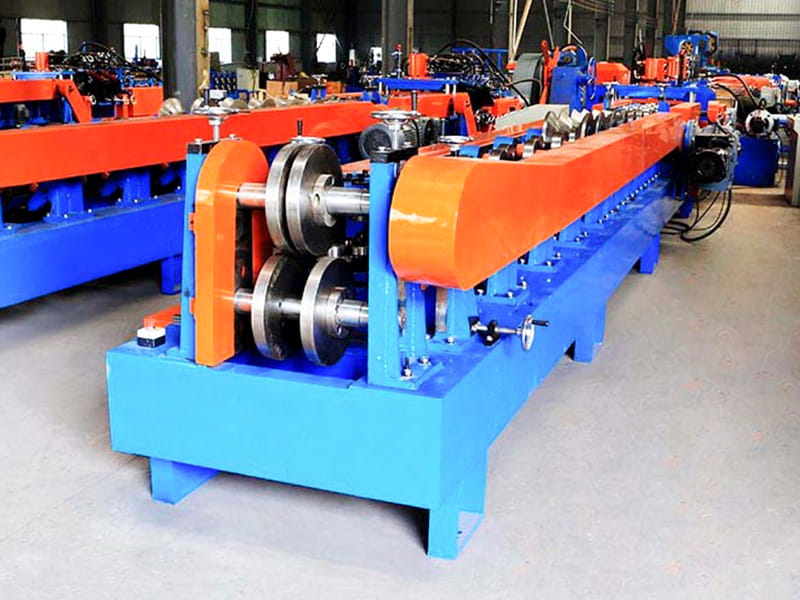
The 100-300 Type CZ Purlin Roll Forming Machine is a versatile, flexible cold-roll forming system specifically designed for steel structure building e...
See Detail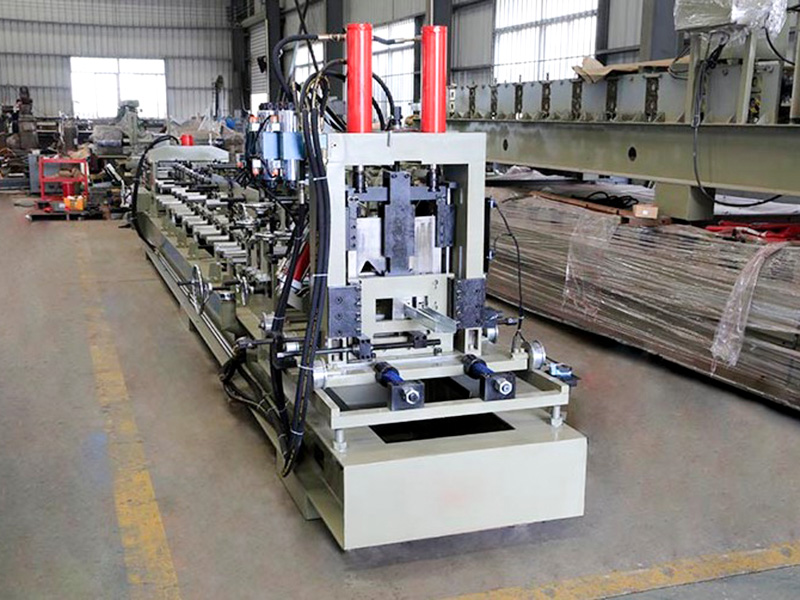
The CU Purlin Roll Forming Machine is a composite cold-roll forming system developed to meet the steel structure construction industry's growing deman...
See Detail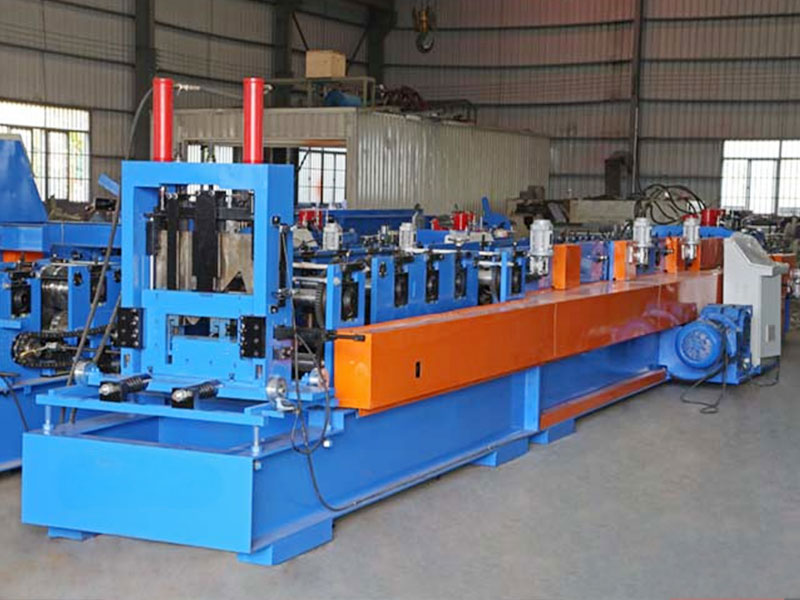
The CZ Purlin Roll Forming Machine is a highly automated industrial machine specifically designed for the efficient and continuous production of C/Z-s...
See Detail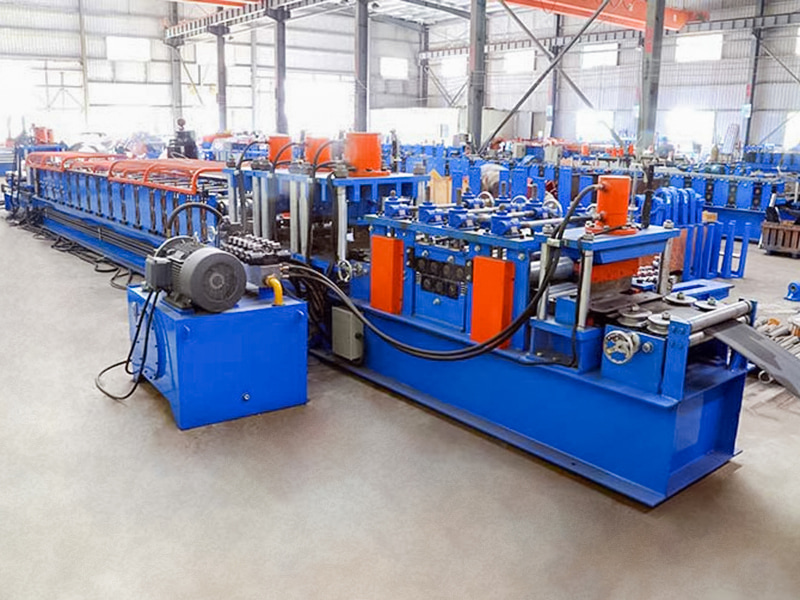
The 80-300 type Fully Automatic C-purlin Roll Forming Machine is a high-performance automated production equipment designed to meet the construction i...
See Detail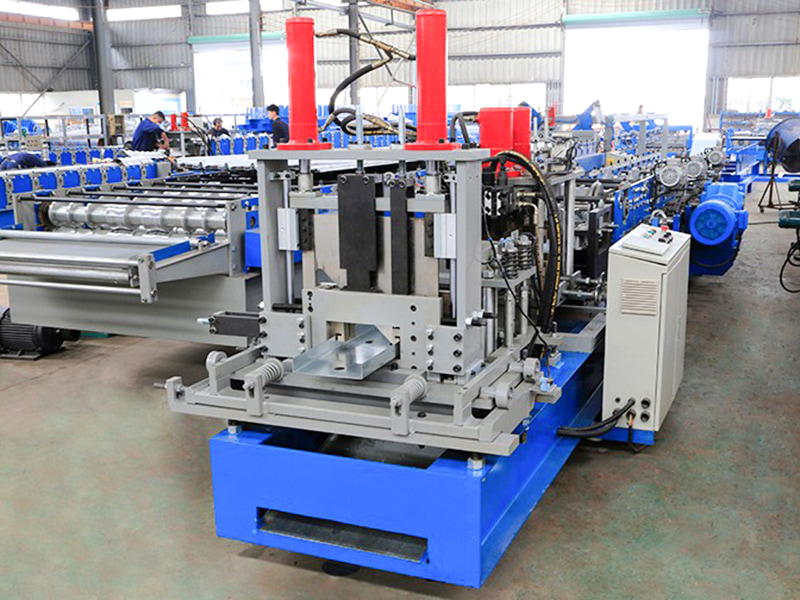
The 80-300 type C/U purlin roll forming machine is an automated machine specifically designed for the continuous production of C- and U-shaped purlins...
See Detail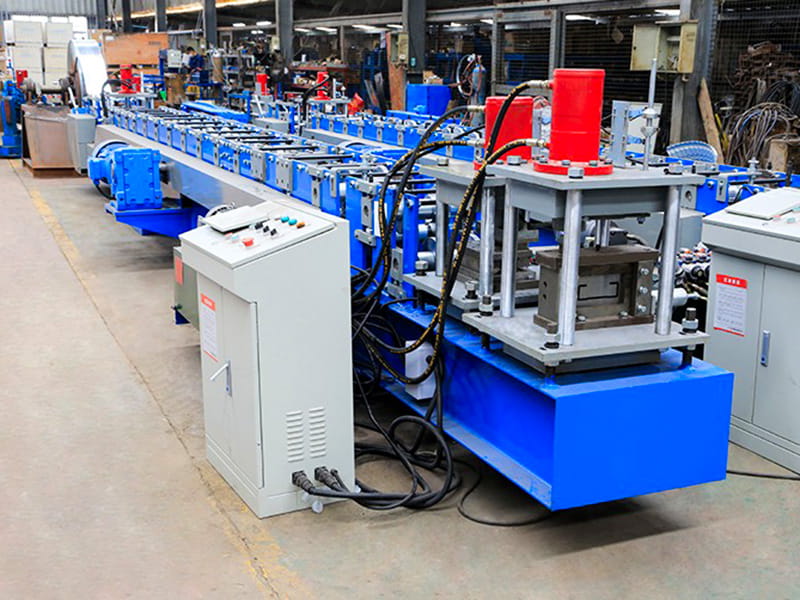
The C-purlin Roll Forming Machine is a core piece of specialized equipment in the manufacturing of steel structure building envelope systems. Using ga...
See Detail

Copyright ©Jiangyin Hailong Machinery Factory All rights reserved Roll Forming Machine Manufacturers
