


 English
 中文简体
中文简体 русский
 عربى
عربىCZ100-300 Type Fully Automatic Purlin Roll Forming Machine
The 100-300 Type CZ Purlin Roll Forming Machine is a versatile, flexible cold-roll forming system specifically designed for steel structure building e...
See DetailContent
Steel structure contractors make this mistake all the time: they order a C purlin machine, then discover their long-span warehouse project actually needs Z-section purlins — or worse, they spend months debating between dedicated and combo machines while a rival wins the tender. The profile decision and the machine decision are linked. Get one wrong and you pay for it twice.
This guide cuts through the noise with real machine specifications so you can make a confident call.
C purlins have a symmetrical cross-section with two equal flanges. They work well for simple spans — single-bay factories, wall girts, and applications where members don't need to lap over each other. They're easier to handle and install, which keeps labor costs down on smaller projects.
Z purlins have offset flanges that allow continuous lapping over rafters. That overlap creates a near-continuous structural system, which dramatically improves load distribution over long spans. For warehouses, logistics centers, and steel-framed commercial buildings exceeding 20 meters in span, Z purlins are the structural default.
CZ composite purlins — produced by a dedicated CZ machine — combine the characteristics of both into a single section, delivering even higher bending strength and stability. They're specified for heavy-load or seismic-zone structures where standard C or Z sections no longer provide enough rigidity. The trade-off is higher machine complexity and tooling cost.
The structural choice upstream determines which machine you need. There's no universal answer — only the answer that matches your project load table.
To show how specs translate to real output, the table below references the technical parameters of the Purlin Roll Forming Machines in the C80–300 and CZ 80–300 series:
| Parameter | C80–300 Machine | CZ 80–300 Machine |
|---|---|---|
| Profile Height Range | 80–300 mm | 80–300 mm |
| Raw Material Width | 175–480 mm | 175–480 mm |
| Material Thickness | Up to 3.0 mm (Q235 galvanized) | Up to 3.0 mm (Q235 galvanized) |
| Forming Groups | 20 stations | 20 stations |
| Production Speed | 25–30 m/min | 25–30 m/min |
| Main Motor Power | 25 kW (Invt) | 25 kW (Invt) |
| Cut-Off Mode | Hydraulic (11 kW station) | Hydraulic (11 kW station) |
| Uncoiler Capacity | 5-Ton, hydraulic | 5-Ton, hydraulic |
| Control System | Siemens/Schneider PLC | Siemens/Schneider PLC |
| Line Length / Weight | ~25 m / ~12 Ton | ~25 m / ~12 Ton |
| Roller Material | Cr12Mo1V1, vacuum hardened | Cr12Mo1V1, vacuum hardened |
A production speed of 25–30 meters per minute means a single shift can realistically produce 8,000–10,000 meters of purlin — enough to supply multiple mid-size building frames in one run. The 20-station forming group and vacuum-hardened Cr12Mo1V1 rollers are what sustain that output without dimensional drift over thousands of cycles.
Use C purlin forming equipment when your projects are primarily single-span buildings under 18 meters, the wall girt market is your core business, or you need lower capital entry with faster ROI. The C machine's simpler tooling means lower changeover time and easier operator training.
Specify a CZ purlin forming line for long-span industrial or commercial projects where Z and CZ sections handle 90%+ of output. The higher machine cost is offset by the premium on heavy structural purlins and the ability to win contracts that C-only producers can't fulfill.
A convertible C/Z machine sits between these scenarios — useful when your order mix is genuinely split between profile types, but expect higher changeover time (typically 20–30 minutes per profile switch) compared to a dedicated machine running a single profile all day.
The cold-formed steel design standards published by the American Iron and Steel Institute provide load tables and specification criteria that should drive your structural choice before you finalize the machine purchase.
Machine price is visible. Downtime cost is not — until it arrives. A purlin line running at 25 m/min that stops unexpectedly for three days because a replacement bearing took two weeks to ship will erase months of cost savings. Factor supplier responsiveness into your procurement decision as seriously as you factor in forming speed.
The right machine is the one that runs. Matching the profile type to your structural requirements, validating the core mechanical specs, and confirming after-sales coverage is how you make sure it does.
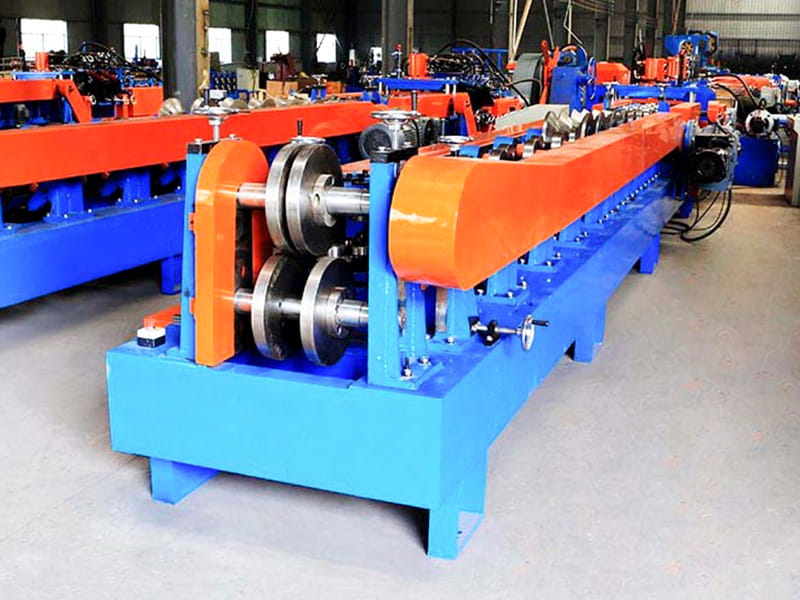
The 100-300 Type CZ Purlin Roll Forming Machine is a versatile, flexible cold-roll forming system specifically designed for steel structure building e...
See Detail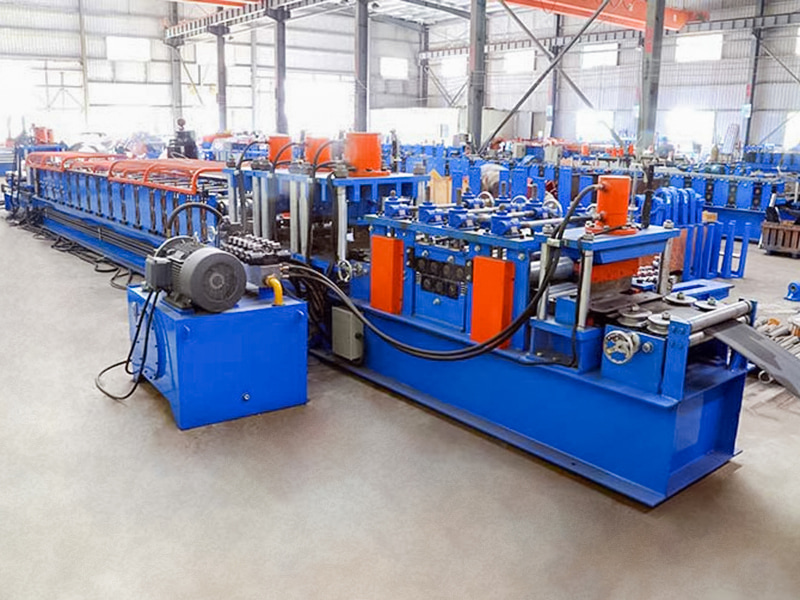
The 80-300 type Fully Automatic C-purlin Roll Forming Machine is a high-performance automated production equipment designed to meet the construction i...
See Detail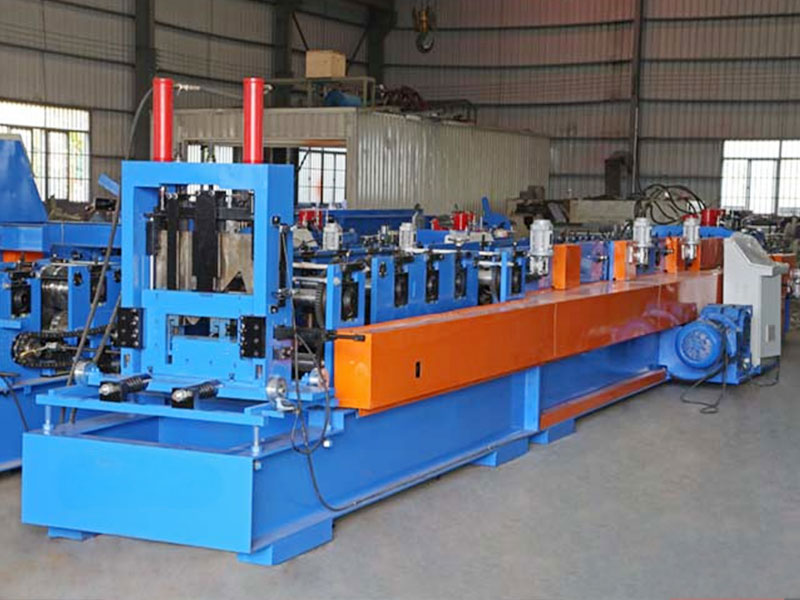
The CZ Purlin Roll Forming Machine is a highly automated industrial machine specifically designed for the efficient and continuous production of C/Z-s...
See Detail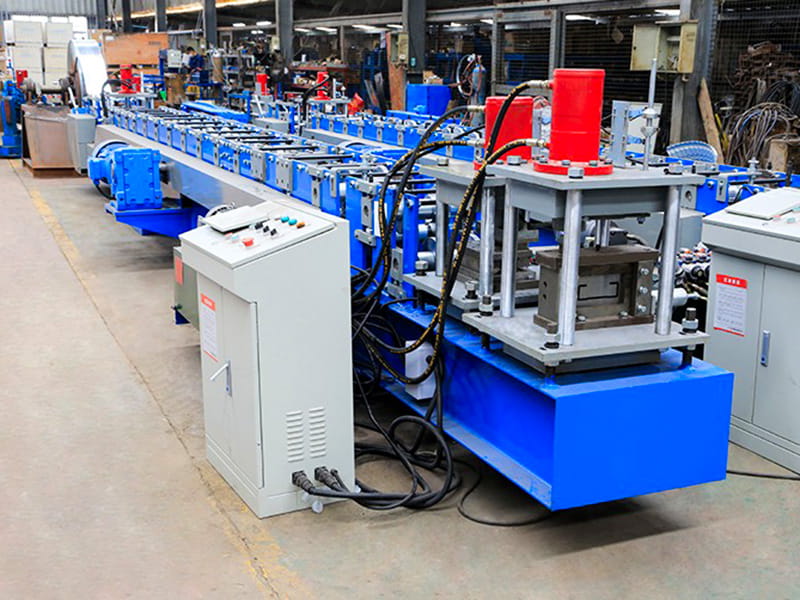
The C-purlin Roll Forming Machine is a core piece of specialized equipment in the manufacturing of steel structure building envelope systems. Using ga...
See Detail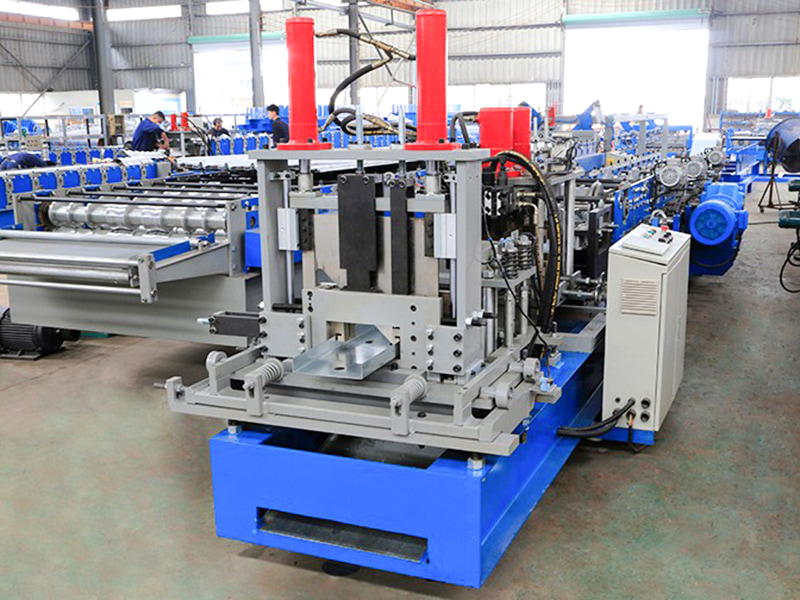
The 80-300 type C/U purlin roll forming machine is an automated machine specifically designed for the continuous production of C- and U-shaped purlins...
See Detail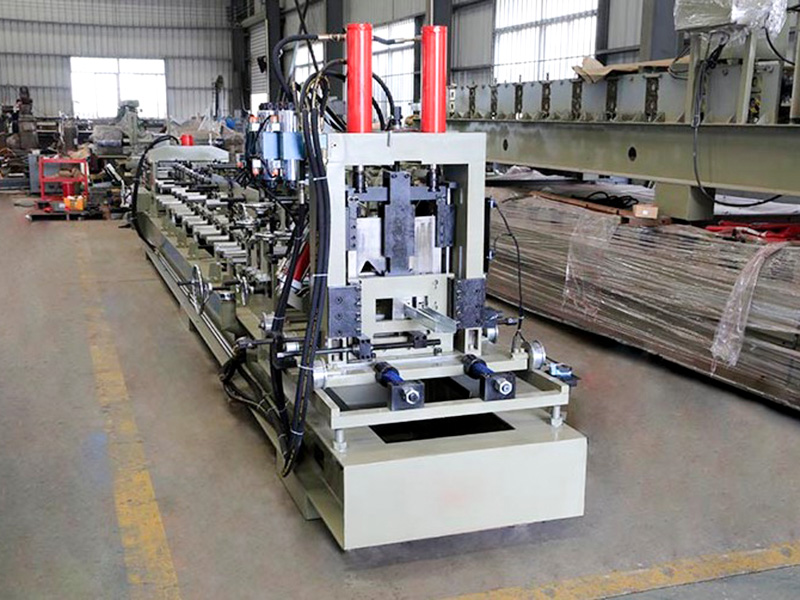
The CU Purlin Roll Forming Machine is a composite cold-roll forming system developed to meet the steel structure construction industry's growing deman...
See Detail

Copyright ©Jiangyin Hailong Machinery Factory All rights reserved Roll Forming Machine Manufacturers
