

 English
 中文简体
中文简体 русский
 عربى
عربى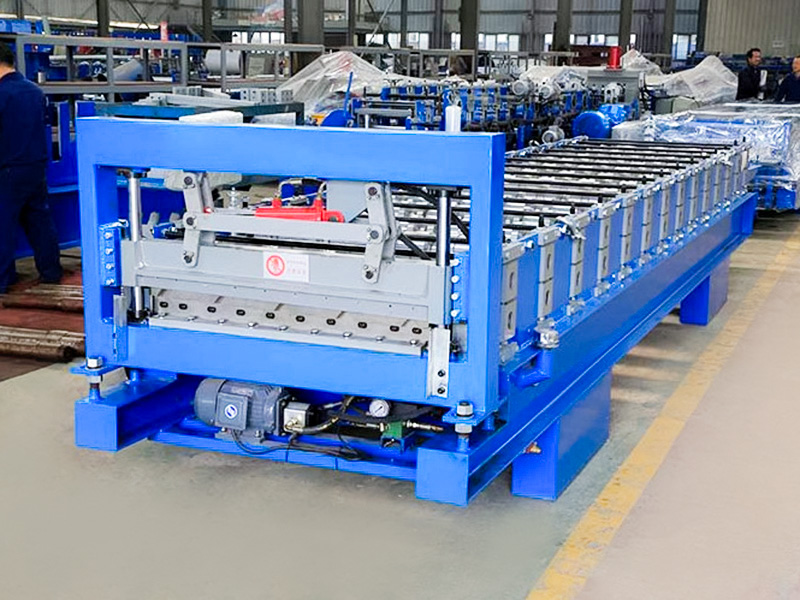
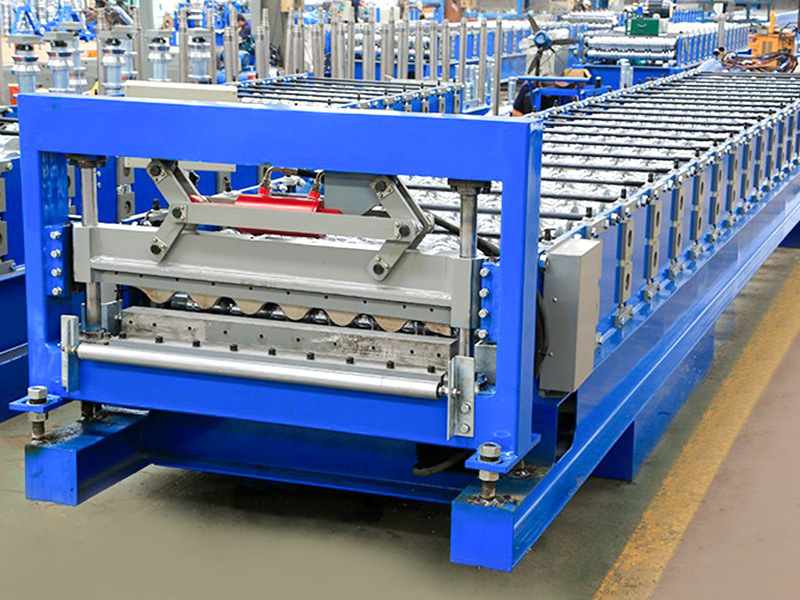
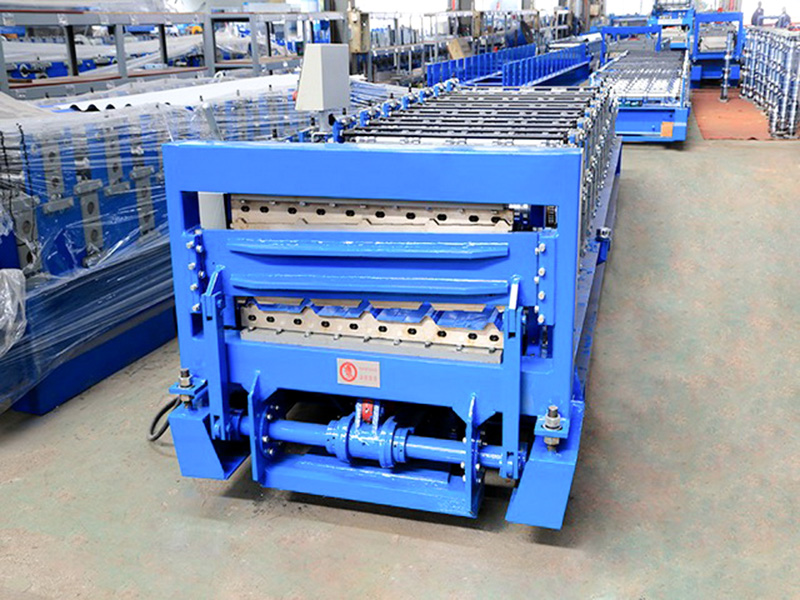
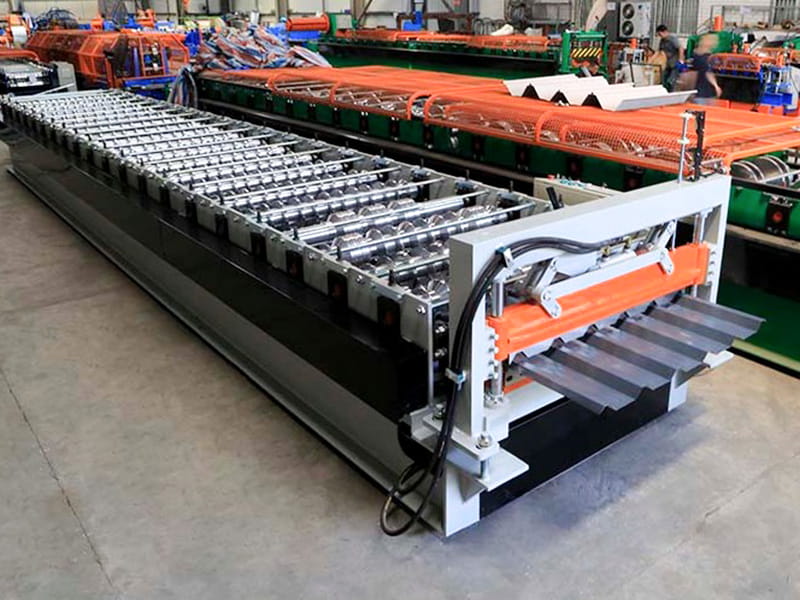
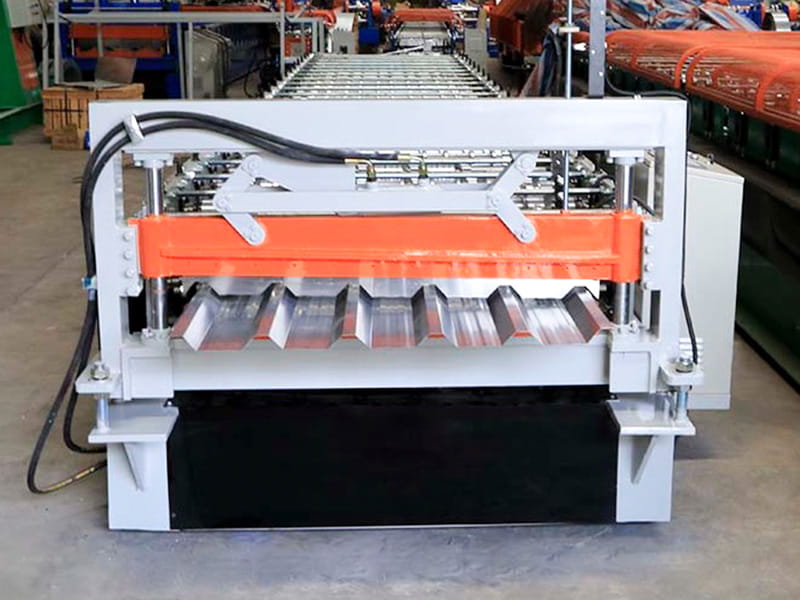
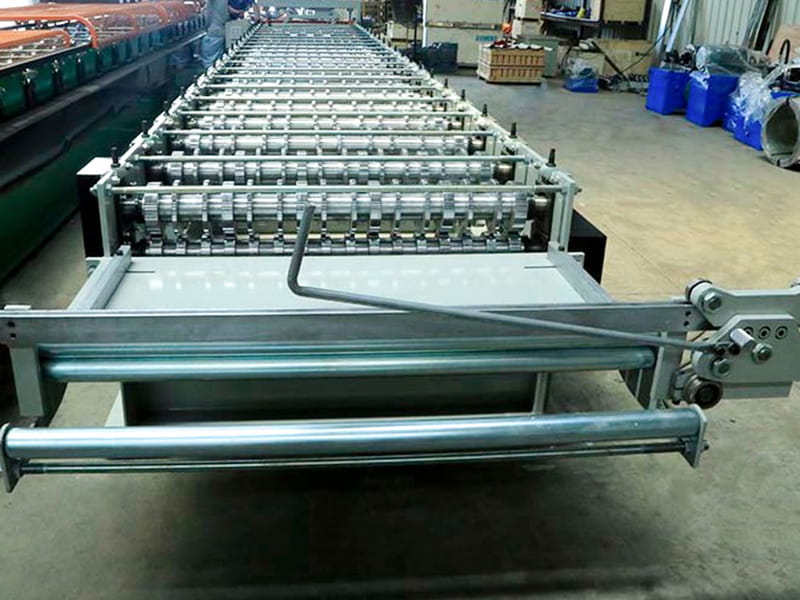
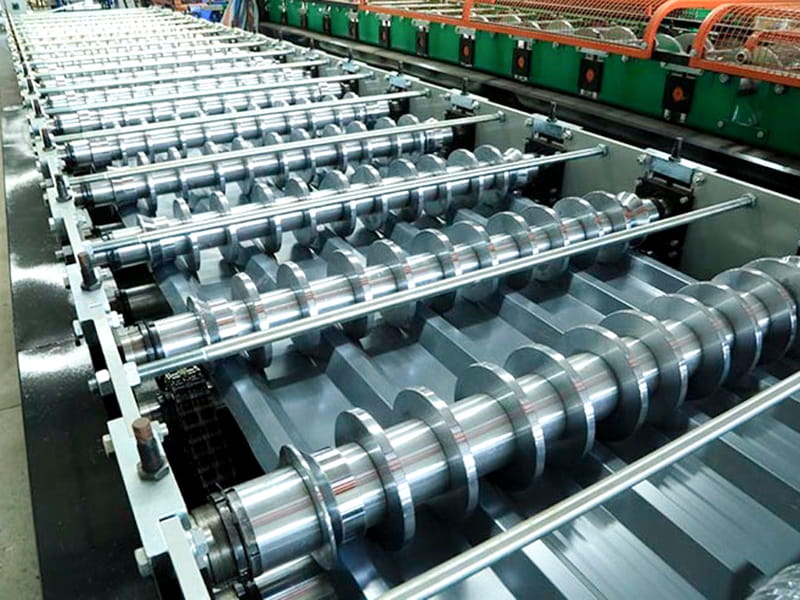

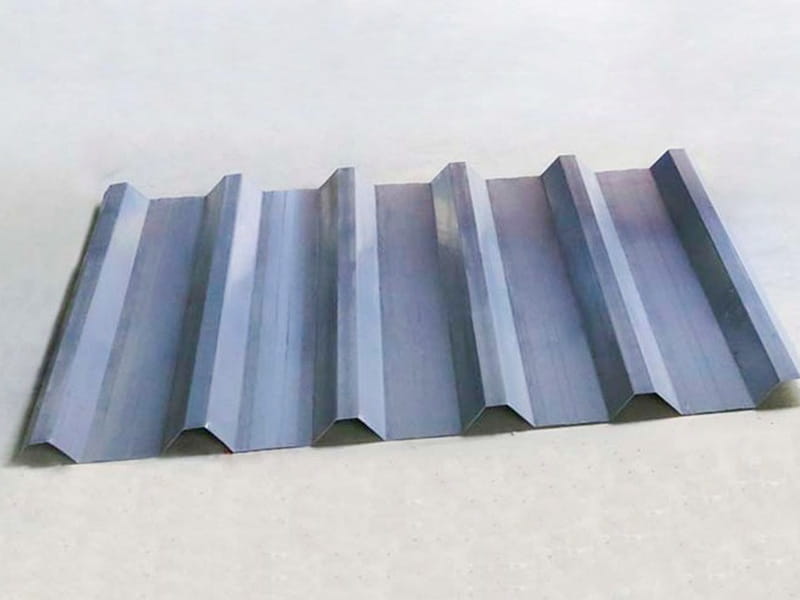
The IBR 1000 profile is a classic, internationally recognized roofing system, widely adopted in regions such as Australia, Southeast Asia, the Middle East, and Africa.
The 1000-Type IBR Sheet Roll Forming Machine is a wide-format roll forming unit specifically designed to produce IBR (Inverted Box Rib) roofing panels with an effective coverage width of 1000mm. Utilizing hot-dip galvanized, color-coated steel coils (typically 1200mm–1250mm wide) as raw material, the machine employs multi-stage progressive roll forming to create metal roofing panels featuring a distinct cross-section characterized by wide crests and narrow troughs. With its high speed, wide forming capacity, and high precision, this equipment is an ideal production tool for medium-to-large profiled sheet manufacturers undertaking large-scale industrial roofing projects.
Jiangyin Hailong Cold Bending Machinery Technology Co., Ltd. is 1000-Type IBR Sheet Roll Forming Machine Supplier in China. With over 1200 customer relationships, we service a multitude of industries with custom roll forming equipment, supply 1000-Type IBR Sheet Roll Forming Machine for sale.
Equipment Composition
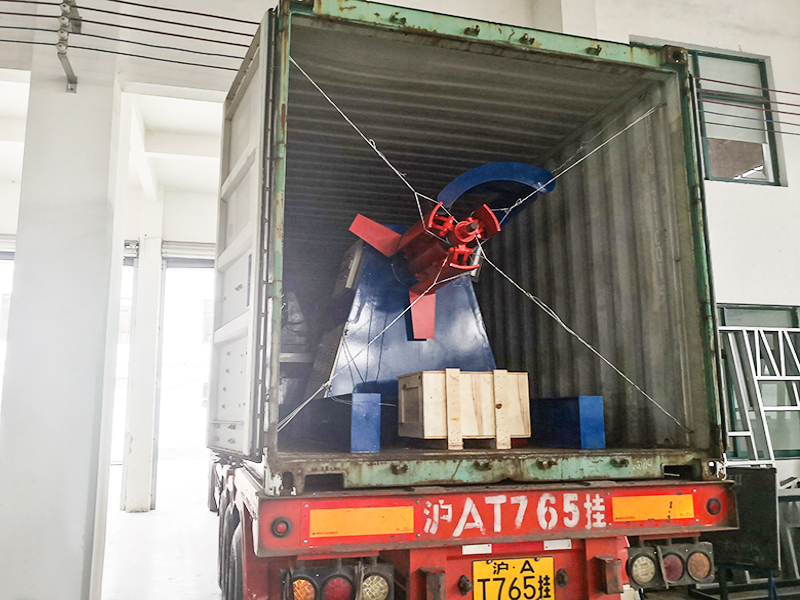
1). Hydraulic Uncoiler: Designed to support heavy-tonnage color-coated coils, it features hydraulic expansion/contraction and damping brake systems to ensure smooth, stable uncoiling.
2). Hydraulic centering and feed guiding device (EPC): (Core component) To address the tendency of 1.2-meter-wide strip steel to drift, this unit employs a high-precision hydraulic photoelectric centering system. It monitors the strip edge position in real-time, ensuring the material remains centered before entering the main forming unit and preventing uneven edge cutting caused by "snaking" or lateral oscillation.
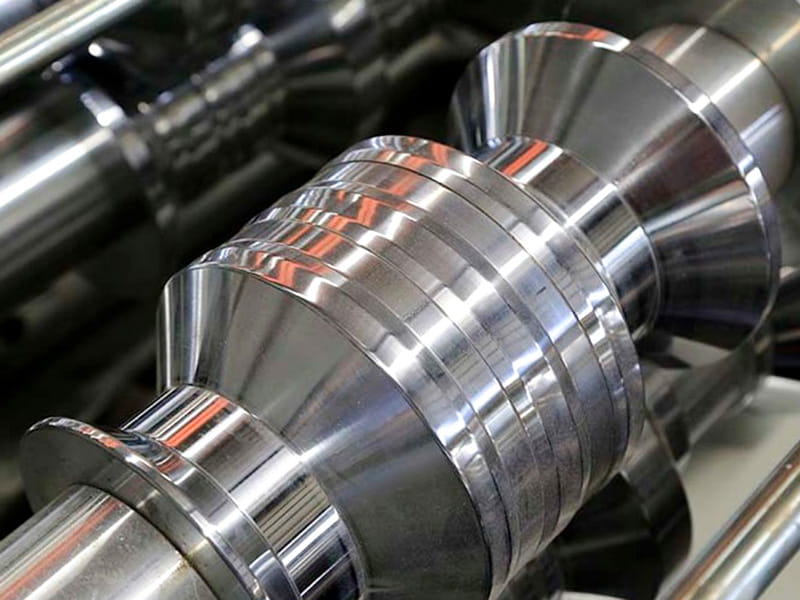
3). Main Roll Forming Unit: Features a stand structure made of integral cast steel or welded thick steel plates, housing 12 to 14 progressive forming stations. The roll faces are precision-ground to ensure uniform pressure across the entire panel width; large-diameter solid shafts are used to effectively resist radial deflection generated during wide-format forming, ensuring crisp, well-defined crests and troughs.
4). Hydraulic Cutting Device: Utilizes a synchronized top-and-bottom shearing mechanism to produce clean, smooth cuts free of burrs or crushed edges, preventing injury to installers or damage to sealing strips during installation.
5).Fully Automatic PLC Control System: Features a touchscreen HMI integrating length setting, tension adjustment, fault diagnosis, and automatic counting functions for ease of operation.
Standard Process Flow:
Uncoiling → Hydraulic strip guiding/feeding → Multi-pass roll forming (progressive) → Inline punching (optional) → Hydraulic cut-to-length shearing → Finished product collection
Core Technical Advantages
1). High-Precision Control for Wide-Strip Tracking: Given the raw material width exceeding 1.2 meters, lateral forces are prone to unevenness. The equipment’s fully automatic hydraulic strip guiding system (EPC), combined with vertical guide rollers on both sides, limits strip deviation to within ±1.0mm. This fundamentally eliminates common defects in wide-strip production, such as "wavy edges" (oil canning) or jagged profiles.
2). Rigid, Anti-Deflection Design: To address the risk of spindle deformation associated with wide profiles, the machine employs large-diameter spindles with closely spaced bearing supports. This ensures the central roller surface remains straight even when forming thick sheets (0.8–1.2mm) at high speeds (over 20m/min), guaranteeing uniform wave height across the entire sheet width for tight, leak-proof overlapping joints.
3). Distinctly Defined Profiles: Tailored to the "square-corner" cross-section characteristic of IBR panels (as opposed to rounded waves), the final forming stage incorporates precision finishing and leveling rollers. These effectively eliminate spring-back stress, creating crisp right-angle or obtuse-angle contours at the junction of the wave crest and the web, resulting in superior aesthetics and enhanced load-bearing capacity.
Technical Parameters
| Item | Parameter | Remark |
| Machine Base | National standard No.36 I-beam steel | Overall welding structure |
| Roller material | High quality 45# steel | Fine-machining, Quenched |
| Main Shaft | φ75,45# steel | Fine-machining, Quenched |
| Forming groups | 20 | |
| Main motor power | 7.5KW | |
| Drive method | Chain drive | |
| Cut-off mode | Hydraulic cut-off | Hydraulic station motor power is 4KW |
| Cut blade | Cr12MoV | Quenched, HRC58-62 |
| Uncoiler | Load 5-Ton, with loading platform | Hydraulic station motor power is 2.2KW |
| Control system | Simens/Scheider PLC | |
| Hydraulic system | BeiJin Huade brand | |
| Total length of production line | Around 18 meters | |
| Equipment weight | Around 6-Ton | |
| Raw material thickness | 0.3-0.8mm | Q235 galvanized coil |
| Production speed | 10~12m/min |