


 English
 中文简体
中文简体 русский
 عربى
عربىSteel Coil Cut-To-Length Line
The steel coil cut-to-length line is an automated production line that continuously unwinds, levelizes, and cuts rolled metal sheets (steel coils, alu...
See DetailContent
When a steel mill quotes you a 1,250 mm master coil, it is not selling what your forming line actually consumes. A C purlin producer, for instance, needs strips 200–210 mm wide with only a few millimeters of slack, and buying every width pre-slit from a service center adds cost and lead time to every ton. A coil slitting line closes that gap. In plain terms, it unwinds one wide master coil, splits it lengthwise into several narrower strips with rotary knives, and rewinds each strip into a tight, production-ready coil. For workshops feeding roll forming machines, tube mills, or blanking presses in volume, slitting in-house usually means lower cost per ton, tighter width control, and fewer supply delays.
A coil slitting line is a linear processing system that cuts wide metal coils—cold-rolled steel, galvanized sheet, stainless, or aluminum—into narrower strips of fixed widths. The cut runs longitudinally, along the direction of strip travel, using pairs of rotary circular knives stacked on horizontal arbors. Each knife pair works like a set of precision scissors. Load a head with five knife sets, feed a 1,250 mm coil through, and it exits as six separate strips, called mults, which are rewound as individual coils.
It helps to separate slitting from a similar-sounding operation. Uncoiling, leveling, slitting, and cut-to-length are distinct stages of coil processing, and a slitting line changes only the width of the material, whereas a cut-to-length line turns a wound coil into flat sheets. Many plants eventually run both, but the tooling, tension systems, and output are fundamentally different.
The economic core of any slitting line is setup flexibility. Width changes require re-spacing and re-setting the knife arbor, so changeover time often decides profitability more than the top line speed printed on a specification sheet.
From a compact 650 mm unit to a heavy 1,600 mm line, every slitting line is built from the same six functional blocks:
| Component | Function | What to Verify |
|---|---|---|
| Uncoiler (decoiler) | Grips and pays off the master coil | Hydraulic mandrel; weight and width capacity above your heaviest stock |
| Entry guide and peeler | Threads and centers the strip | Alignment accuracy; wear-part cost |
| Slitter head | Cuts mults with rotary knife pairs on spaced arbors | Arbor rigidity; spacer precision; driven vs. pull-through design |
| Scrap baller | Winds away the two edge trims | Runs continuously without stopping the line |
| Tension stand | Applies back tension for clean rewinding | Suits your thinnest and thickest strip |
| Recoiler | Rewinds each mult as a separate coil | Separator discs; outboard support for wide builds |
The uncoiler sets the tone for everything downstream. It carries the heaviest single load on the line—master coils of five to ten tonnes are common in construction-gauge work—and any wobble it introduces becomes width drift and camber in every mult. A hydraulic expanding-mandrel uncoiler rated above your heaviest coil, paired with a coil car, keeps threading safe and feeding steady.
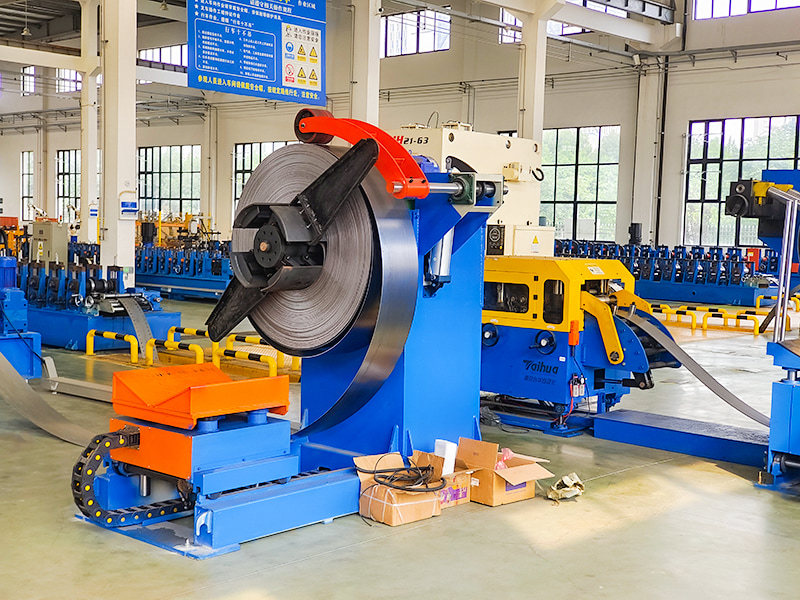 Steel Coil Hydraulic Uncoiler for Slitting LinesA hydraulic expanding-mandrel uncoiler rated above the heaviest master coil, with a coil car for safe loading, feeds the line steadily and prevents wobble that would cause width drift and camber downstream.View Product →
A typical layout runs from the uncoiler through the entry guide and slitter head to the tension stand and recoiler, with edge trims wound continuously by the scrap baller:
A slitting run follows a fixed sequence. Knowing it helps you judge supplier quotes and operator training alike:
Winding presentation matters too: overarm and underarm rewinding place the strip face and edges differently on the finished coil, and the choice should match how your downstream machine uncoils. Getting it wrong shows up as twist at the forming machine.
Buyers often compare the two because both start from the same master coil. The difference is the direction of the cut, and therefore the product:
| Aspect | Coil Slitting Line | Cut-to-Length Line |
|---|---|---|
| Cut direction | Longitudinal, along strip travel | Transverse, across the strip |
| Tooling | Rotary circular knives on arbors | Shear blade, often a flying shear |
| Output | Narrower coils (mults) | Flat sheets and blanks |
| Flatness role | Leveling before slitting conditions the coil | The leveler is the heart of the line |
| Feeds downstream | Roll forming, tube mills, stamping | Direct fabrication, panels, packaging |
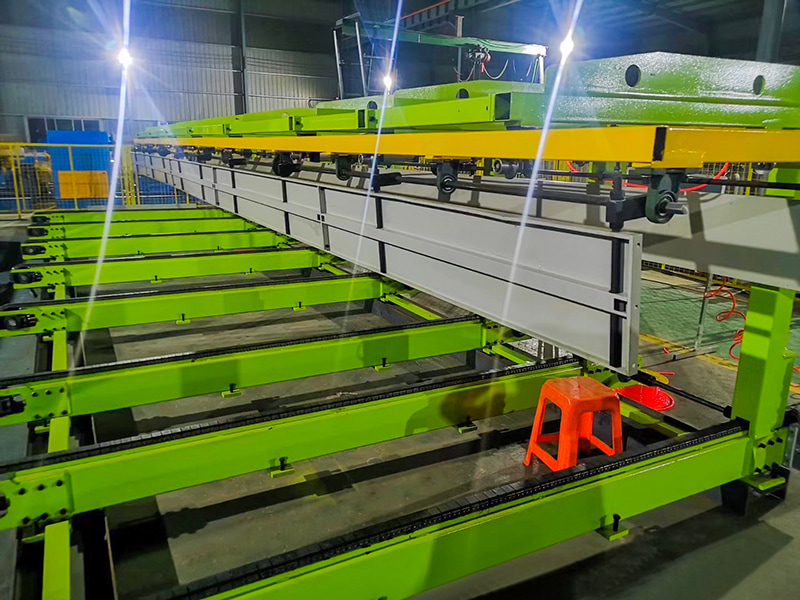 Steel Coil Cut-To-Length LineWhere the output is flat sheets rather than slit strips, a cut-to-length line uncoils, levels, and shears master coils to length, making it the right choice for sheet-focused production.View Product →
If your product list is strips—purlins, studs, cable tray, roofing feedstock—a slitting line is the purchase. If you ship sheets, go cut-to-length. Mixed-output shops either run both or choose a combined line and accept longer changeovers.
Before comparing prices, put numbers on these points. They decide whether a line holds tolerance on your material, not just on the supplier's test coil:
Most slitting complaints trace back to four controllable causes:
A simple knife log—material, thickness, clearance, overlap, and strip count for every run—turns these defects from mysteries into routine adjustments.
Roll forming is width-hungry. Every profile in a machine's tooling schedule—CZ purlins, roofing sheets, a steel stud and track pair, cable tray—consumes strip of one specific width, usually with only a few millimeters of acceptable slack. Owning slitting capability means the forming line never runs an off-width coil: you cut exactly what the tooling expects, and trim becomes stock for a smaller profile instead of scrap.
Conditioning the coil before it reaches the knives matters just as much. Master coils arrive with coil set and crossbow; slitting an unlevel coil locks that distortion into every mult, where it reappears as wave and twist in the finished profile. A leveling machine ahead of the slitter is inexpensive insurance for the whole downstream chain.
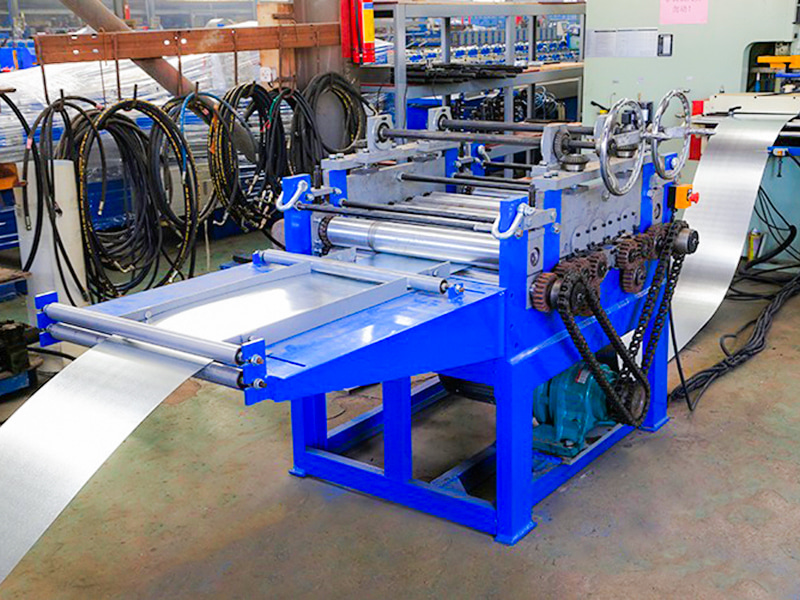 Steel Coil Leveling MachinePlaced ahead of the slitter, a leveling machine removes coil set and crossbow from master coils, preventing wave and twist from being locked into each mult and protecting downstream forming quality.View Product →
It also pays to understand exactly what your forming equipment consumes—strip width, thickness window, edge condition—before locking slitting specifications. Reviewing a roll forming machine overview first makes the slitting line's required tolerances obvious rather than guessed.
Match the line to your strip basket, not to the brochure maximum. In practice, that means:
A slitting line is ultimately a tolerance machine. Buy it for the widths you actually run, keep the knives sharp and the tension honest, and it will quietly lower your cost per ton for years.
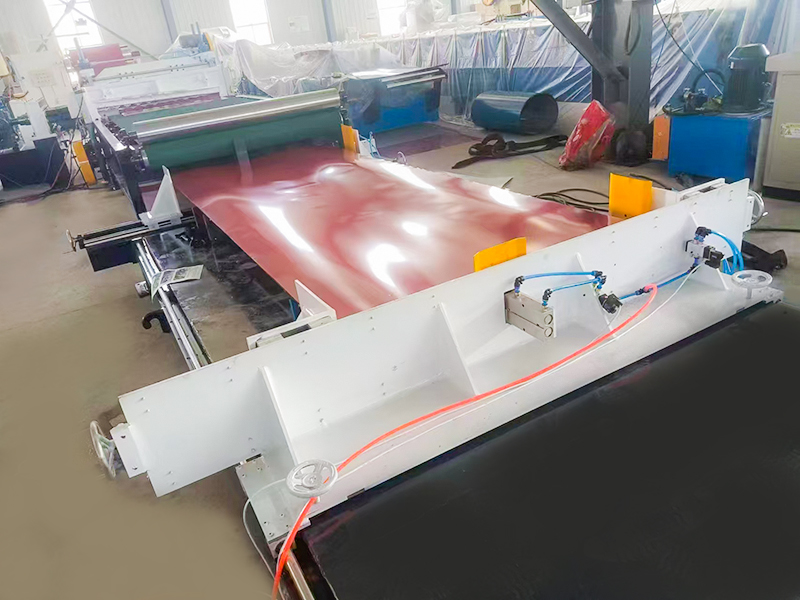
The steel coil cut-to-length line is an automated production line that continuously unwinds, levelizes, and cuts rolled metal sheets (steel coils, alu...
See Detail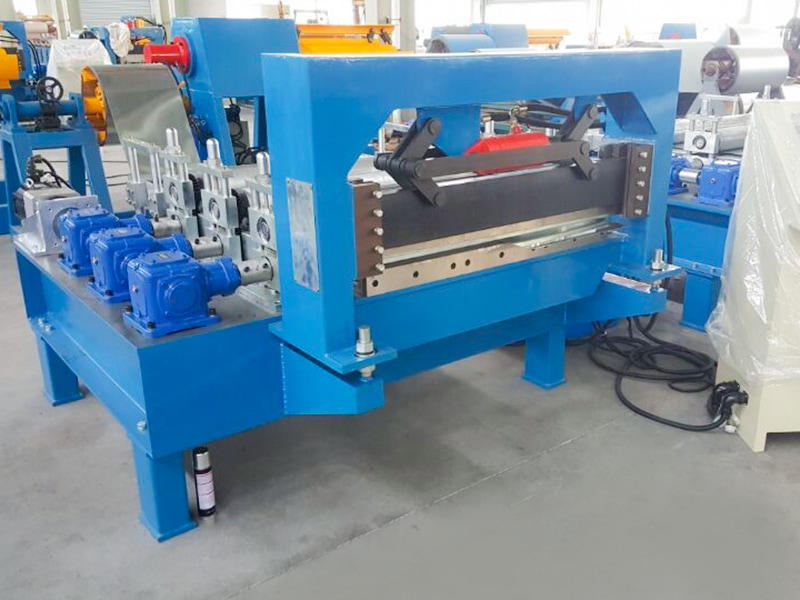
The Simple Coil Flattening and Cutting Machine is an economical two-in-one machine for pre-processing metal sheets, offering a simple structure, basic...
See Detail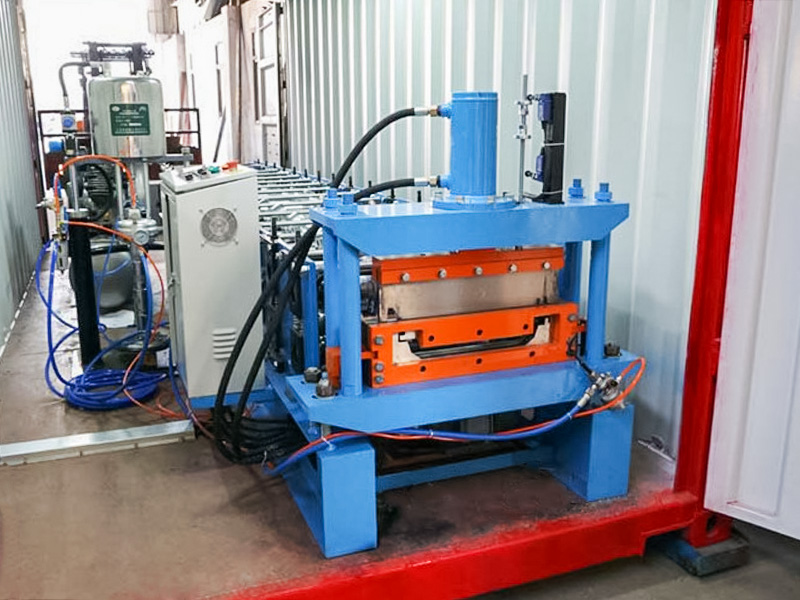
Compared with the common roofing sheet roll forming machine, the standing seam roll forming machine has a smaller body size, but the rolling tools are...
See Detail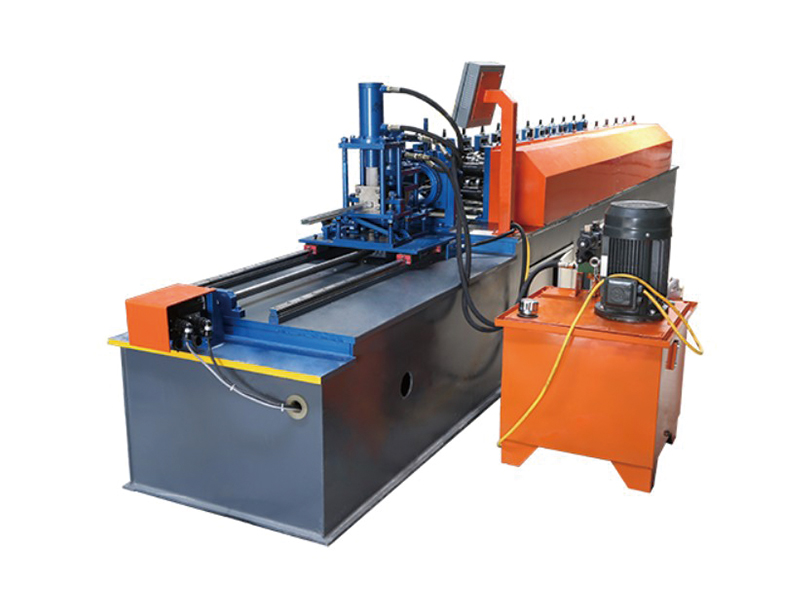
Steel Stud and Track Roll Forming Machines are automated machines specifically designed to continuously cold-bend and plastically deform continuous co...
See Detail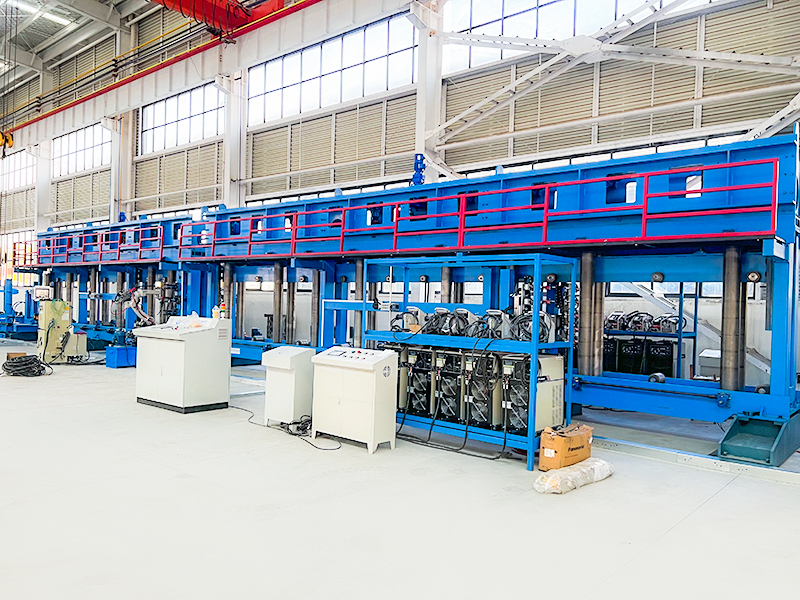
The Earthquake Resistance Shear Wall Production Line is an intelligent rolling machine specifically designed for producing core steel plate shear wall...
See Detail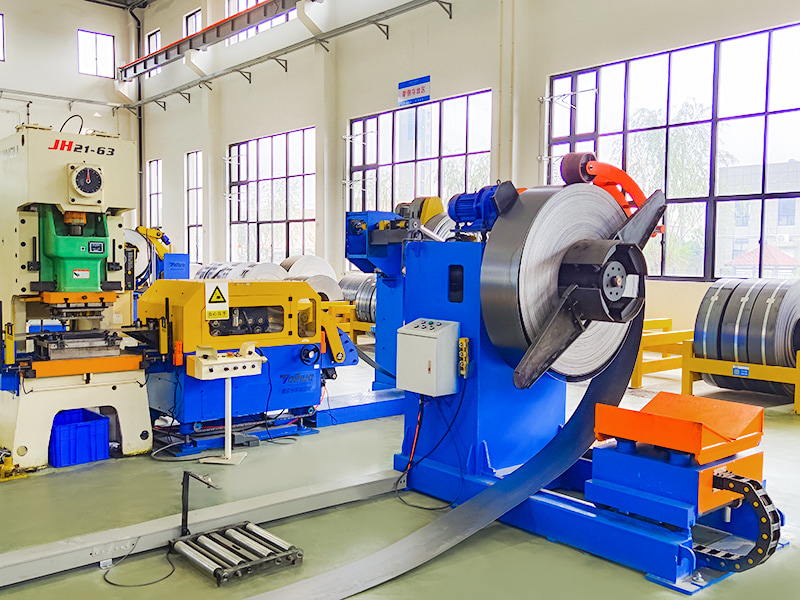
A Steel Coil Hydraulic uncoiler is a key piece of equipment used in sheet metal processing lines (such as roll forming lines, slitting lines, cut-to-l...
See Detail

Copyright ©Jiangyin Hailong Machinery Factory All rights reserved Roll Forming Machine Manufacturers
