


 English
 中文简体
中文简体 русский
 عربى
عربىDoor Frame Roll Forming Machines
The door frame roll forming machine is a cold-bending and rolling-forming machine specifically designed for producing door and window frames (such as ...
See DetailRoll forming machines are machines that can be directly integrated into production lines and play a crucial role in material processing. In practical applications, roll forming machines adhere to the principle of evenly distributed force distribution throughout each pass, which not only ensures the dimensional accuracy and strength of the formed material but also extends the service life of the rolls.
In practice, roll forming machines can employ various methods for roll forming. The more common processes include sheet roll forming, coil roll forming, continuous roll forming, and combined roll forming.
In the sheet roll forming process, the sheet metal is pre-cut into specified lengths and then fed into the forming machine via feed rollers. The rolled profiles can be directly collected and stored. This roll forming process is particularly suitable for products that are easily deformed after sheet forming and is often used in small-batch production.
The main advantages of this process are simpler requirements for the roll forming machine, reduced investment costs, and a smaller footprint.
Coil roll forming and continuous roll forming processes are essentially the same; the difference is that continuous roll forming requires welding at the sheet joints to ensure continuous forming, while coil roll forming uses a single coil roll feed. Both processes require significant equipment investment and floor space.
In fact, when using cold roll forming machines to process certain special steels, a combined forming process is often necessary. These steel sections have unique forming requirements and require complex cold roll forming machines, suitable for processing high-strength sheet metal or sections with complex cross-sectional shapes.
In general, cold roll forming machines offer excellent performance. When processing various metal materials, cold roll forming is a new, energy-efficient, and highly efficient sheet metal forming process. This process not only produces high-quality steel sections, but also shortens product development cycles, improves production efficiency, and ultimately enhances a company's market competitiveness.
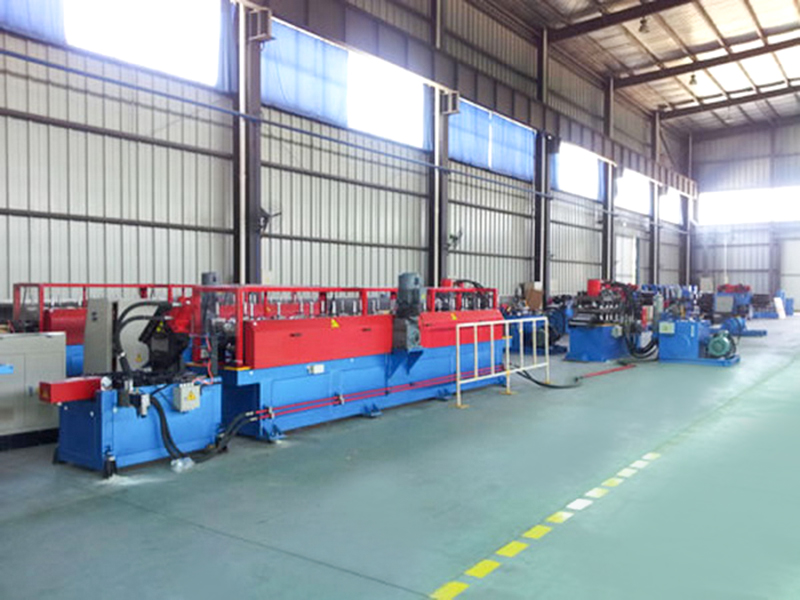
The door frame roll forming machine is a cold-bending and rolling-forming machine specifically designed for producing door and window frames (such as ...
See Detail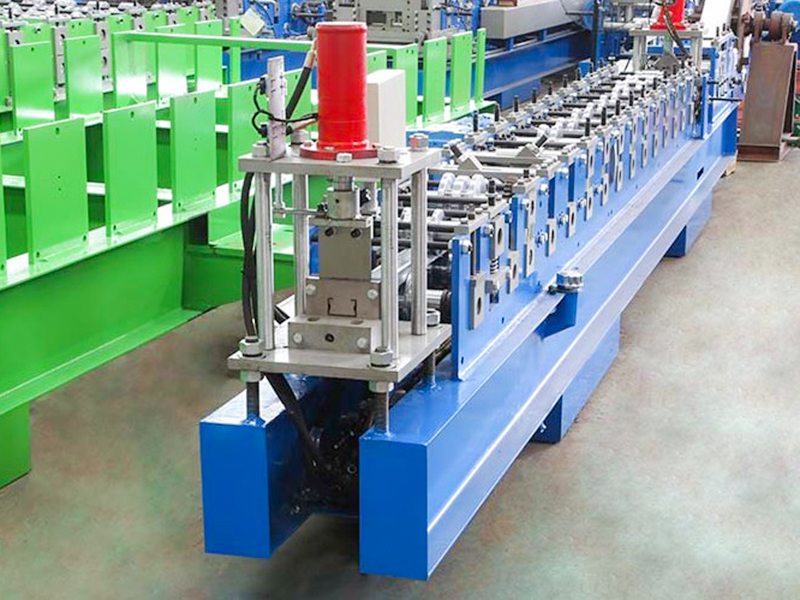
The Pallet Profile Roll Forming Machine is an intelligent rolling equipment specially used for producing the core components of all-steel pallets in l...
See Detail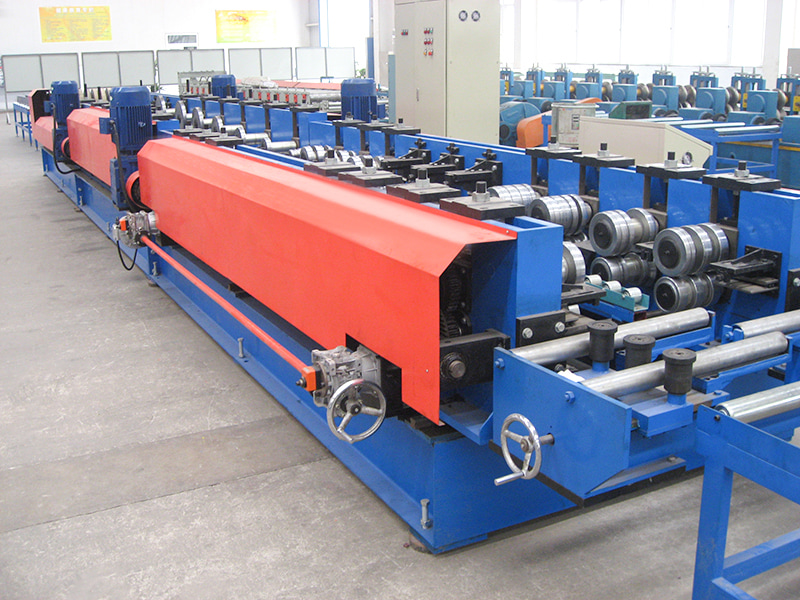
The cable tray roll forming machine is a fully automatic roll forming machine specifically designed for the mass production of metal support component...
See Detail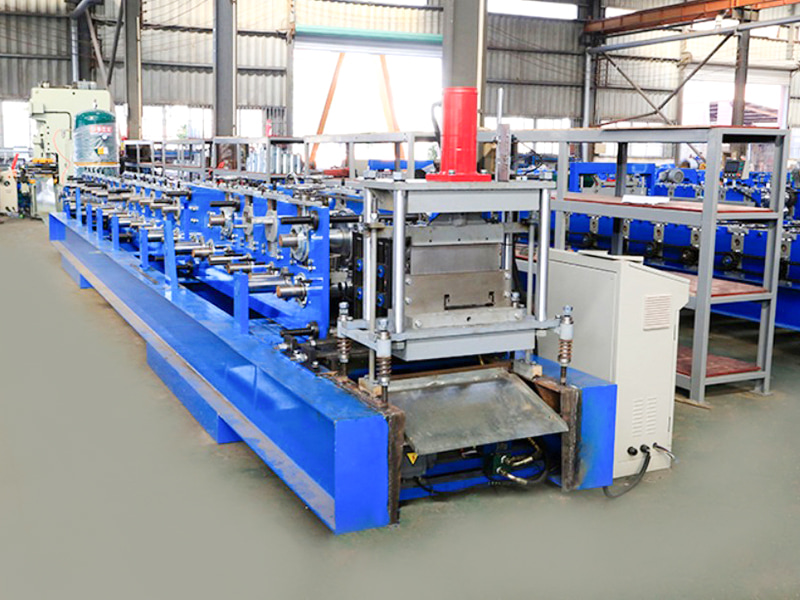
The Scaffold Industry Roll Forming Machines is an automated rolling machine specifically designed for the mass production of steel walkboards (scaffol...
See Detail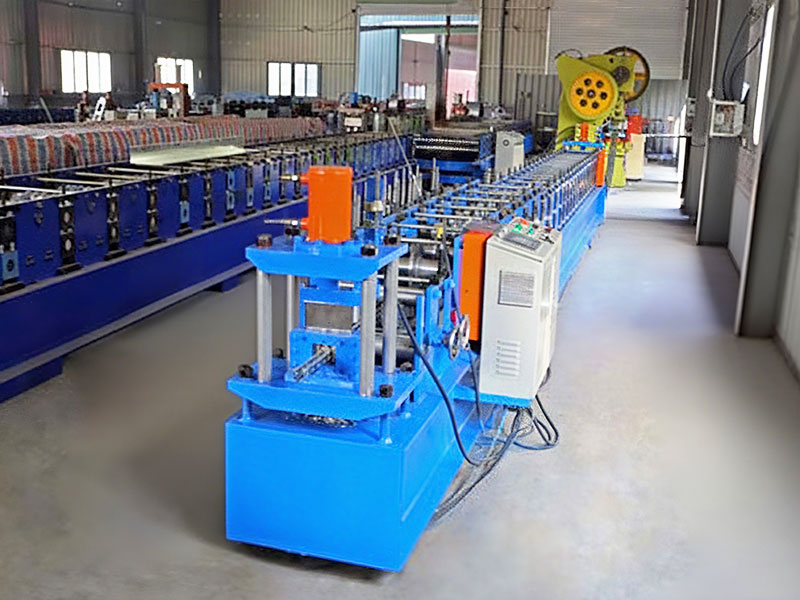
The Solar Strut Channel Roll Forming Machines is a fully automated rolling machine specifically designed for producing metal components for solar phot...
See Detail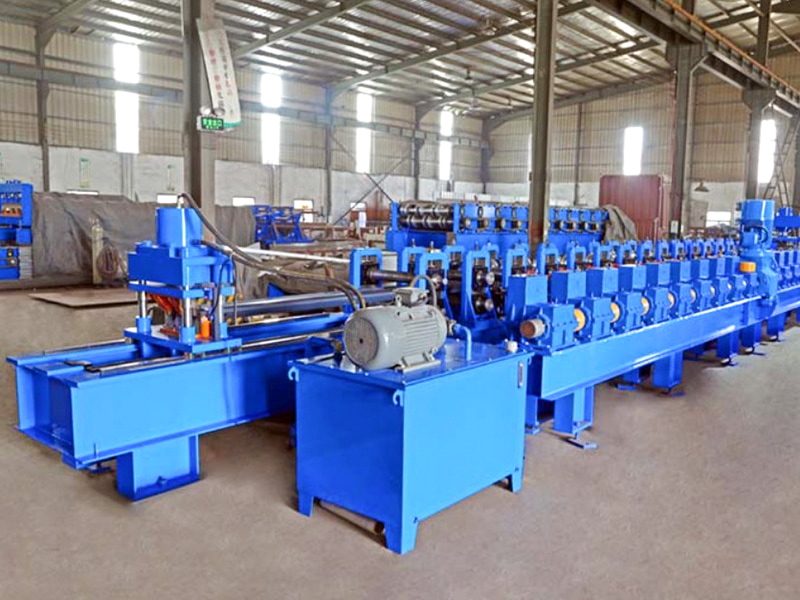
The highway guardrail roll forming machine is an automated cold-forming machine specifically designed for the continuous production of W-beam guardrai...
See Detail

Copyright ©Jiangyin Hailong Machinery Factory All rights reserved Roll Forming Machine Manufacturers
