


 English
 中文简体
中文简体 русский
 عربى
عربىFlatpack Container House Top Beam Roll Forming Machine
The flatpack container house top beam roll forming machine is specially tailored for the flatpack container roof structure production. Through high-pr...
See DetailContent
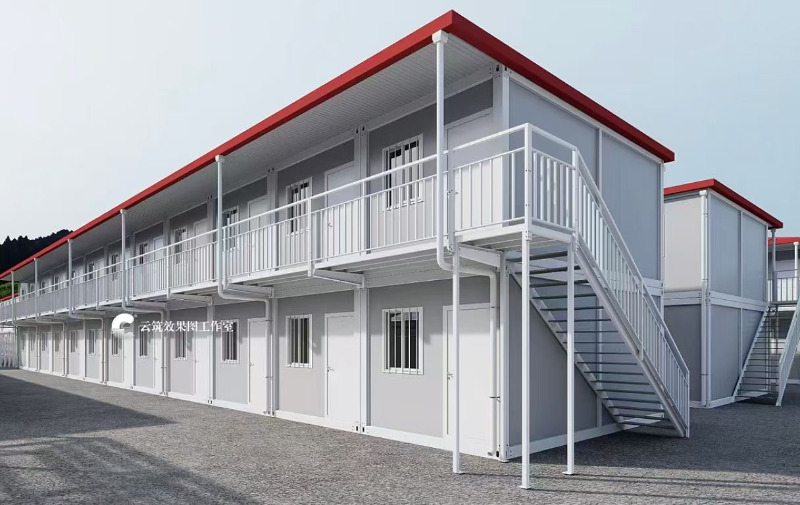
In today's rapidly evolving construction sector, flat-pack container housing is quickly emerging as the preferred solution for temporary and semi-permanent structures, thanks to its unique advantages. This innovative architectural form not only retains the many benefits of traditional container housing but also introduces unprecedented convenience and cost-efficiency to the modern construction industry through its collapsible design.
So, what are the main advantages of the flat pack container house?
The collapsible design allows the unit's volume to be reduced to just one-third of its original size during transport, thereby significantly lowering logistics costs. A standard 20ft flat-pack container house stands only about 0.6 meters high when packed for transport, yet expands to provide over 15 square meters of usable floor space.
A professional team can complete the expansion and basic installation of a standard flat-pack container house within 2 to 3 hours—saving over 70% of the assembly time required for traditional container housing. This makes it particularly well-suited for emergency response scenarios and projects with tight deadlines.
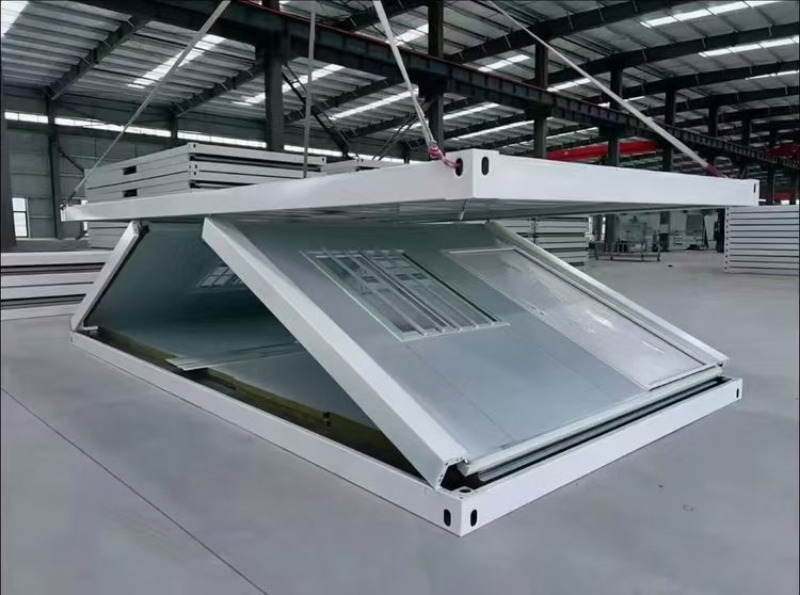
Constructed from high-strength, weather-resistant steel, these units boast a wind resistance rating exceeding Level 10 and offer excellent seismic performance. Specially designed corner fittings and folding mechanisms ensure the structural integrity and reliability of the unit, even after repeated cycles of expansion and folding.
The steel components feature a recycling rate of up to 95% and can be reused dozens of times, thereby drastically reducing construction waste. The latest models also feature integrated mounting interfaces for solar panels and built-in rainwater harvesting systems.
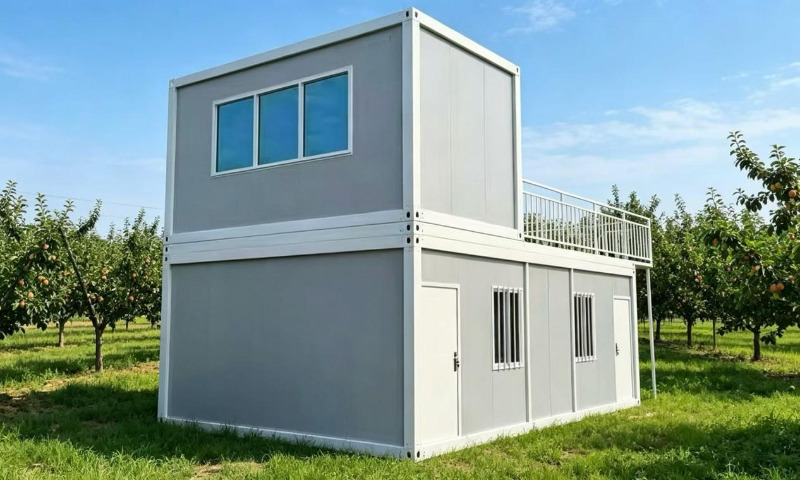
1) Construction Site Camps: Providing a safe and comfortable living environment for workers; units can be rapidly relocated to the next site upon project completion.
2) Emergency Disaster Relief Housing: Enabling the establishment of temporary communities within 48 hours following a natural disaster.
3) Mobile Commercial Facilities: Ideal for use as temporary shops, exhibition halls, or cafes, allowing for flexible repositioning to follow shifting customer traffic.
4) Remote Area Workstations: Providing reliable workspaces and living quarters for field operations in sectors such as mining, forestry, and scientific research.
5) Educational and Medical Facilities: Rapidly deploying temporary classrooms or clinics to address shortages in public services within remote regions.
https://youtube.com/shorts/ZNig_1iWQ9g
For more details, please contact:

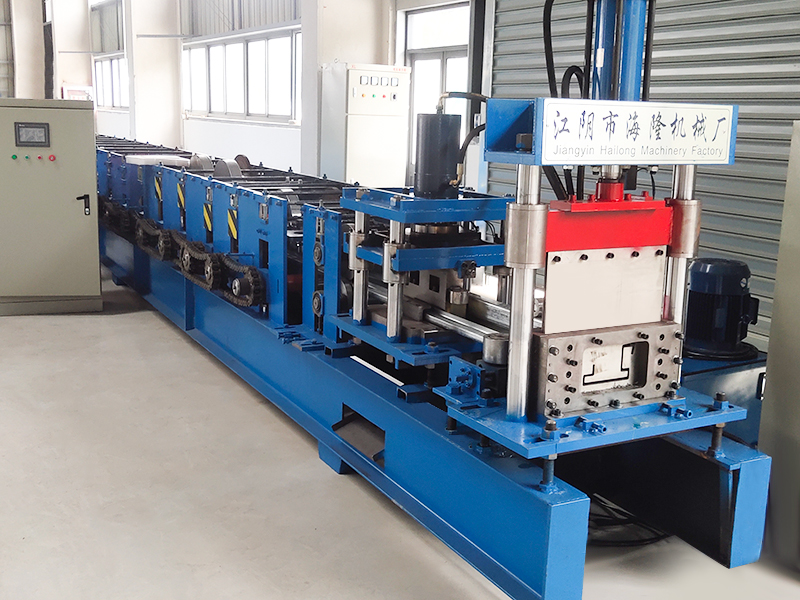
The flatpack container house top beam roll forming machine is specially tailored for the flatpack container roof structure production. Through high-pr...
See Detail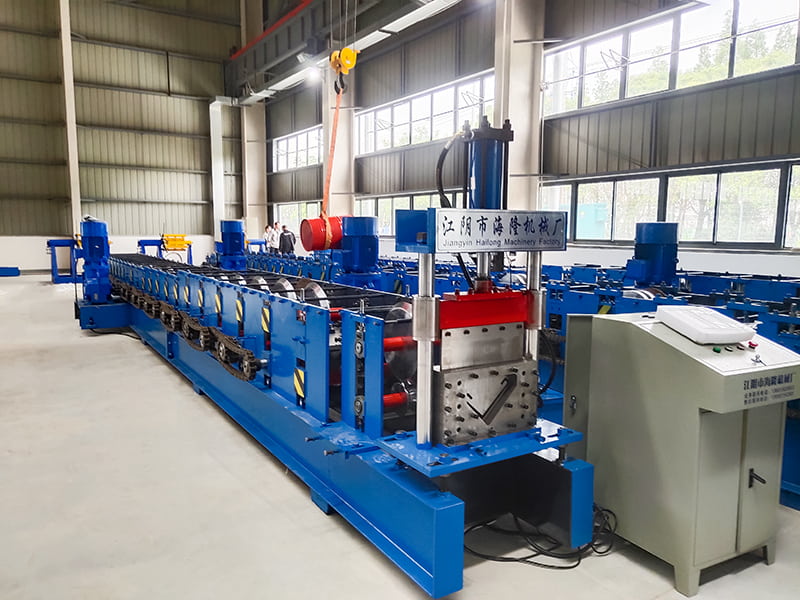
The Flatpack container house column roll forming machine is an automated cold roll forming production line specifically designed for the cross-section...
See Detail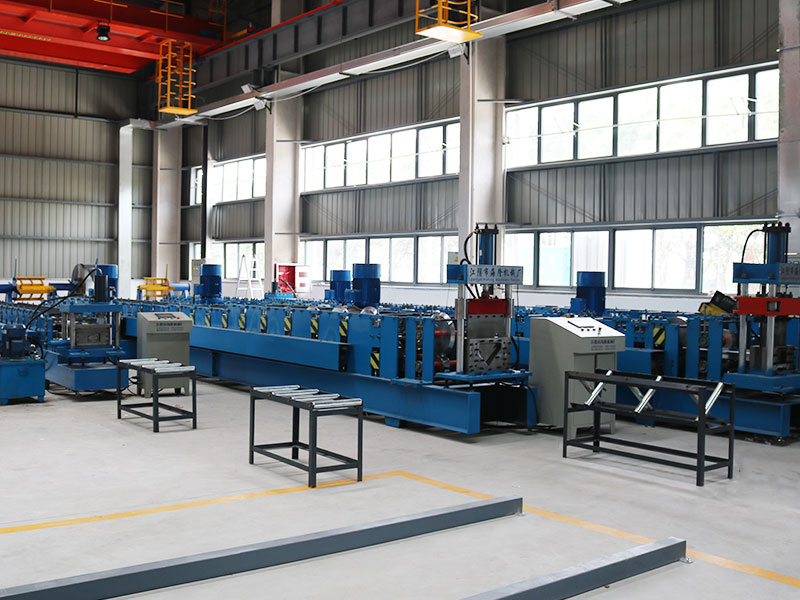
Detachable Container House: refers to a special container or modular building unit. It is characterized by being able to be quickly assembled, disasse...
See Detail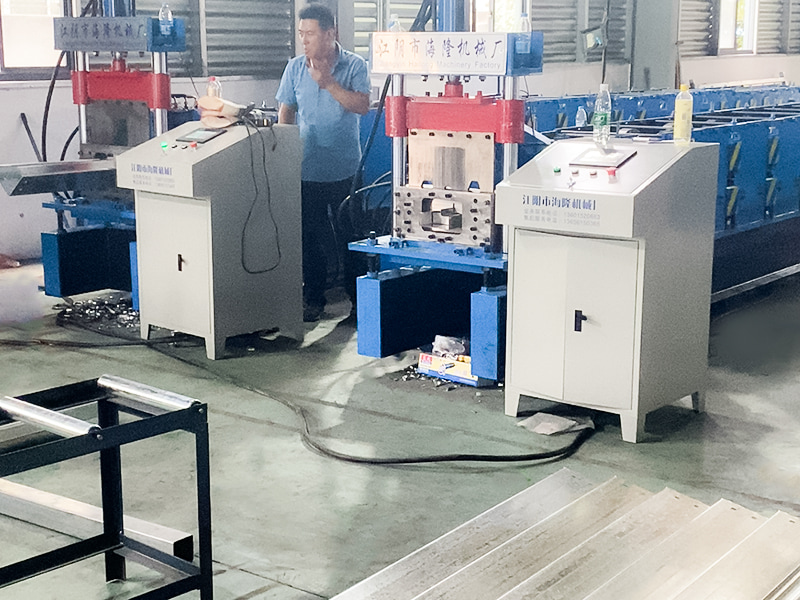
The Detachable Container House Beam is the main load-bearing structural member of the Detachable Container House (a modular container-type house, equi...
See Detail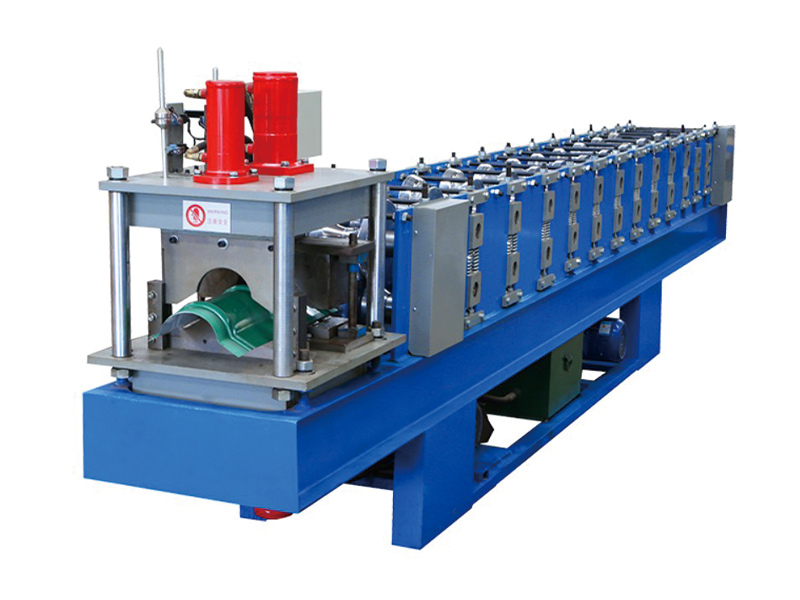
A roof ridge cap roll forming machine, which is mostly used to manufacture roof ridges or ridge flashing installed along the ridge lines of inclined r...
See Detail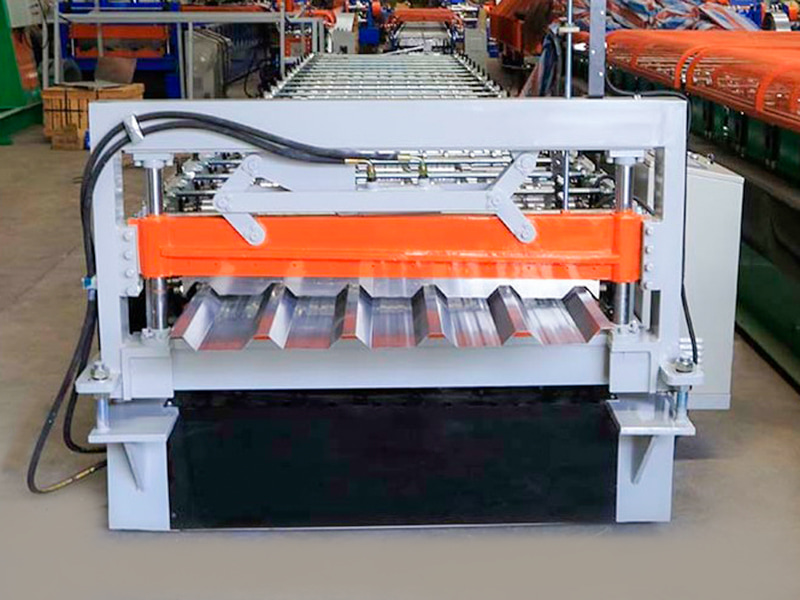
The high speed roofing sheet roll forming machine is a fully automatic sheet metal processing machine designed specifically for the construction indus...
See Detail

Copyright ©Jiangyin Hailong Machinery Factory All rights reserved Roll Forming Machine Manufacturers
