


 English
 中文简体
中文简体 русский
 عربى
عربىC47-147 Type Fully Automatic Purlin Roll Forming Machine
The C-purlin Roll Forming Machine is a core piece of specialized equipment in the manufacturing of steel structure building envelope systems. Using ga...
See DetailContent
A factory in Southeast Asia ordered a metal sheet roll forming machine based on price alone. Six months later, it was sitting idle—wrong voltage spec, no local spare parts, and a supplier that stopped responding after payment cleared. That story is more common than most buyers want to admit.
Choosing a metal roofing machine is not complicated, but it does require asking the right questions upfront. This guide covers the five factors that separate a solid investment from an expensive mistake.
The single biggest selection error is choosing a machine first and figuring out the profile later. Every metal roofing machine is engineered around a specific panel geometry. Corrugated, IBR, standing seam, trapezoidal, glazed tile—each requires a different roller die set. They are not interchangeable.
Before requesting any quote, confirm exactly which roofing profile your market demands. If you need two profiles, you have two options: a double-layer roll forming machine that switches between profiles on a single line, or two separate machines. Double-layer units cost more upfront but save floor space and eliminate the need to manage two production lines. For most small-to-mid operations, they are worth the premium.
Most standard corrugated and IBR sheet roll forming machines handle material from 0.3mm to 0.8mm. That covers the bulk of residential and light commercial roofing. But if you plan to serve industrial or infrastructure projects, you may need a machine rated for 1.0mm to 1.5mm steel. Pushing a light-gauge machine with thicker coil accelerates roller wear and produces panels that fail dimensional tolerances.
Check the coil width compatibility too. Most machines are built for a fixed effective forming width. If your customers specify 760mm, 820mm, or 1000mm panels, confirm the machine's forming width before ordering—not after.
Manufacturers quote forming speeds in meters per minute. A machine rated at 25 m/min sounds faster than one at 15 m/min. But if the faster machine produces 3% scrap on curved cuts or requires frequent re-calibration, your real output is lower. Net yield, not nameplate speed, determines your actual cost per panel.
Ask for a production demonstration using your specific material—same steel grade, same thickness, same coating type. Watch the cut-to-length accuracy over 50 consecutive panels. A well-calibrated hydraulic post-cutting system should hold length tolerance within ±1mm. If a supplier cannot demonstrate this, treat it as a red flag.
For tile profiles, the glazed tile roll forming machine line adds a stamping or embossing pass that requires the line to slow down. Factor this into your throughput calculations before comparing machines across profile types.
A machine with a basic PLC and manual length setting costs less upfront. But every time an operator enters the wrong cut length or forgets to adjust for a new coil thickness, you lose material. Over a year of production, those losses add up faster than the price difference.
Modern metal sheet roll forming machines with touchscreen HMI controllers allow operators to store multiple product profiles, set batch quantities, and trigger automatic shut-off at completion. This reduces operator skill requirements and virtually eliminates batch errors. For any operation running more than one shift per day, the automation upgrade pays back within months.
Also verify the electrical specification matches your facility. A 380V/3-phase machine shipped to a 220V facility creates an immediate problem that suppliers in a different country cannot solve remotely.
A roofing machine that runs 12 hours a day will need roller maintenance, hydraulic system checks, and eventually parts replacement. The question is not whether you will need support—it is whether your supplier can provide it when the time comes.
Before committing to any purchase, get specific answers to these questions: What is the typical lead time for replacement rollers? Is a remote-access diagnostic system included? Does the supplier stock common wear parts, or are they made to order? One day of unplanned downtime on a production line can cost more than a full month of maintenance fees.
Check the supplier's after-sales service documentation and whether they provide installation support, operator training videos, and a maintenance schedule. These materials signal whether a manufacturer builds machines to last or to sell.
Pick your profile first. Confirm material thickness range. Evaluate net yield over nameplate speed. Choose automation that matches your operation's scale. And treat after-sales capability as a hard requirement, not a nice-to-have.
A metal roofing tile roll forming machine is a long-term production asset. The factories that get the most out of theirs spent time on specification before they spent money on equipment. That sequence is not an accident.
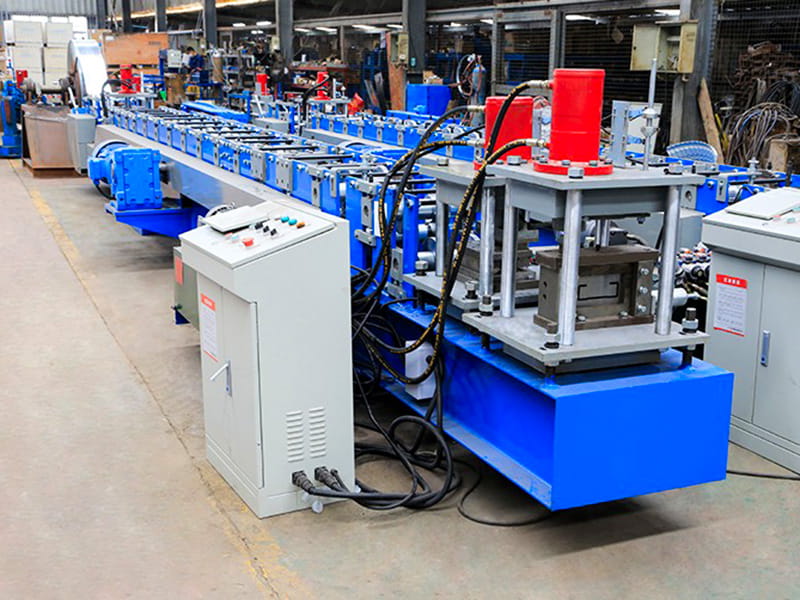
The C-purlin Roll Forming Machine is a core piece of specialized equipment in the manufacturing of steel structure building envelope systems. Using ga...
See Detail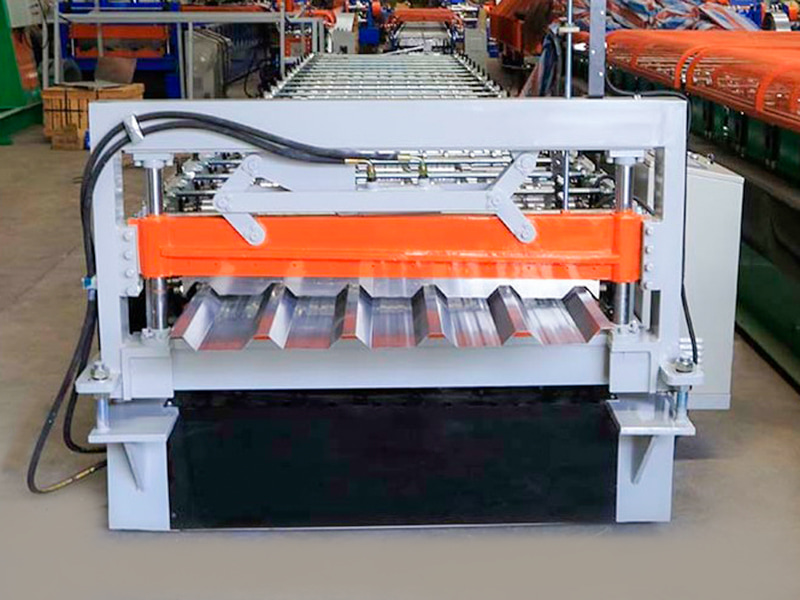
The high speed roofing sheet roll forming machine is a fully automatic sheet metal processing machine designed specifically for the construction indus...
See Detail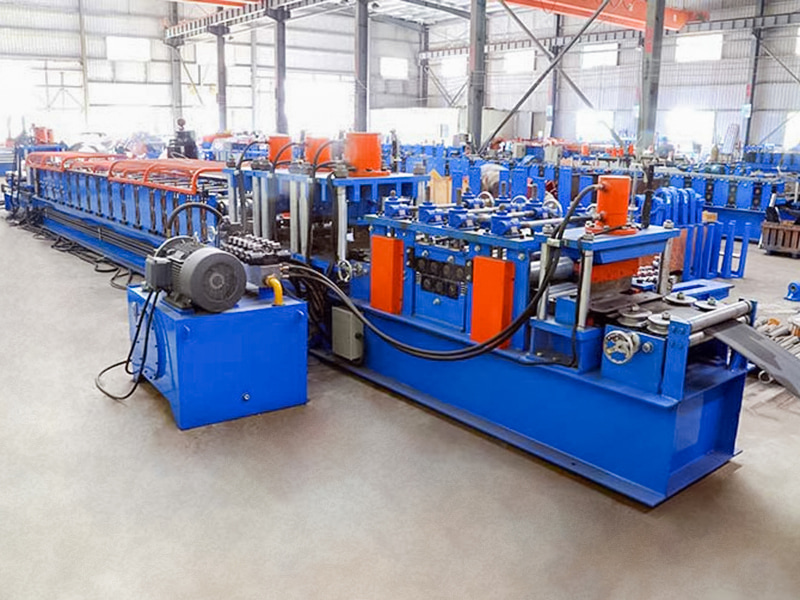
The 80-300 type Fully Automatic C-purlin Roll Forming Machine is a high-performance automated production equipment designed to meet the construction i...
See Detail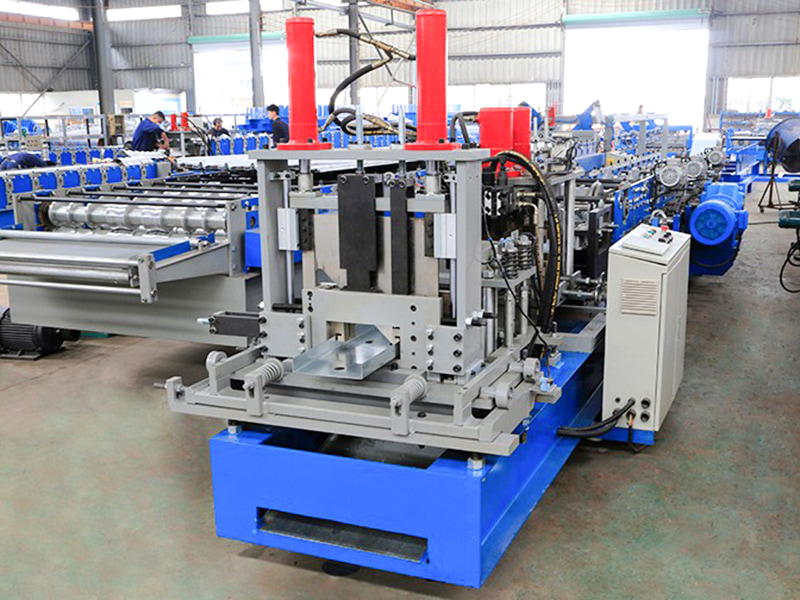
The 80-300 type C/U purlin roll forming machine is an automated machine specifically designed for the continuous production of C- and U-shaped purlins...
See Detail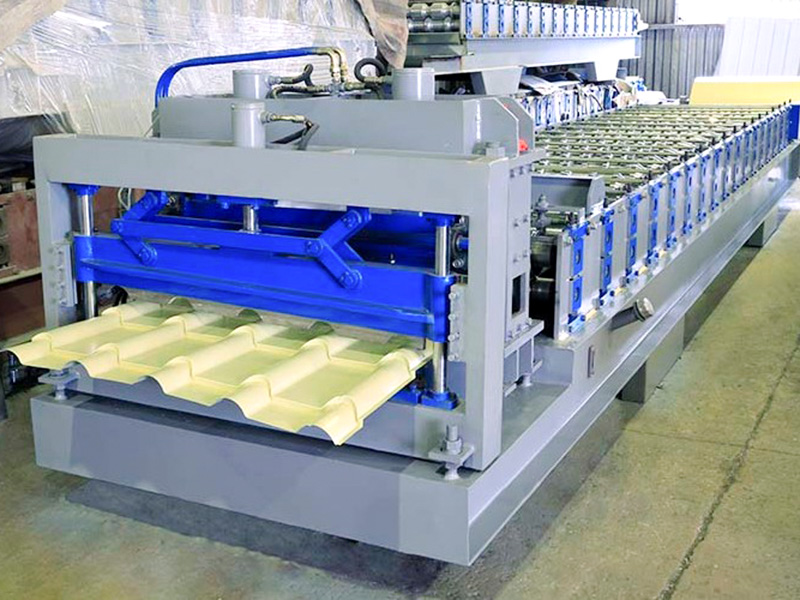
The Metal Glazed Tile Roll Forming Machine is specialized equipment designed to process color-coated steel coils into antique-style glazed tiles (S-sh...
See Detail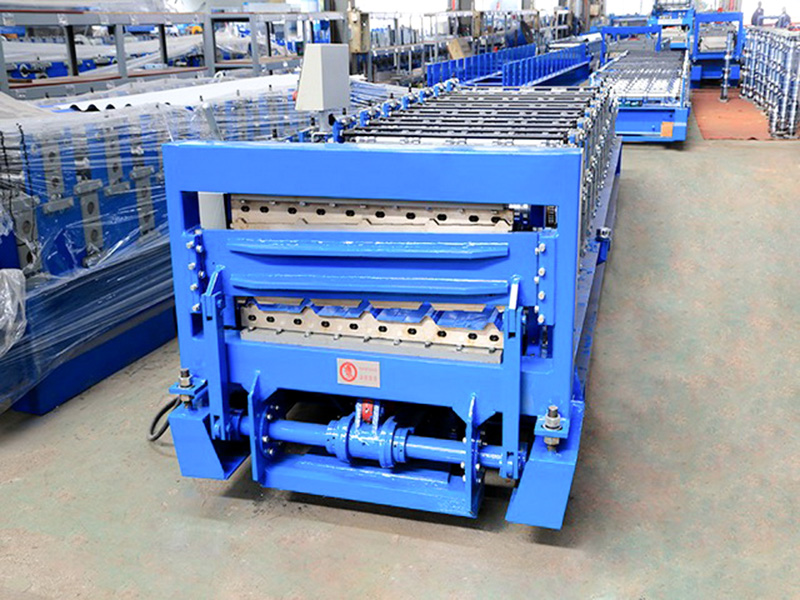
The 845/900-Type Double Layer Roofing Sheet Roll Forming Machine is a composite system that integrates two sets of roll-forming tooling—designed for I...
See Detail

Copyright ©Jiangyin Hailong Machinery Factory All rights reserved Roll Forming Machine Manufacturers
