


 English
 中文简体
中文简体 русский
 عربى
عربىCZ100-300 Type Fully Automatic Purlin Roll Forming Machine
The 100-300 Type CZ Purlin Roll Forming Machine is a versatile, flexible cold-roll forming system specifically designed for steel structure building e...
See DetailContent
Investing in a high-quality purlin roll forming machine is the most effective way to reduce structural steel fabrication costs by up to 30% while maintaining consistent profile accuracy. These machines transform flat steel coils into precise C or Z-shaped structural supports used extensively in warehouse roofing and wall systems. The immediate benefit is the elimination of manual labor errors and the ability to produce custom lengths on-demand, significantly reducing material waste.
For manufacturers, the shift from static cutting to dynamic, automated roll forming means achieving production speeds of 15 to 25 meters per minute. This efficiency allows a single line to output enough purlins for a medium-sized industrial building in a single shift. The core advantage lies not just in speed, but in the repeatability of the hole punching and cut-to-length processes, which ensures that every beam fits perfectly during on-site assembly.
While both C and Z purlins serve similar structural purposes, the roll forming machinery required to produce them differs significantly in terms of roller station design and adjustability. Understanding these mechanical distinctions is crucial for selecting the right equipment for your product mix.
C-purlin machines are generally designed for simpler, fixed-width productions or manual adjustments. The forming process involves rolling the steel coil into a "C" shape where the lips face the same direction. These machines often feature:
Z-purlin machines are more complex because the resulting profile allows for overlapping during installation, providing greater structural continuity. The machinery must handle more intricate bending angles. Key features include:
When evaluating a purlin roll forming machine, focusing on the core technical specifications ensures the equipment meets your production volume and quality standards. Ignoring these details can lead to bottlenecks or excessive maintenance costs.
| Specification | Entry-Level Model | High-Performance Model |
|---|---|---|
| Forming Speed | 10-15 m/min | 20-30 m/min |
| Material Thickness | 1.5 - 2.5 mm | 1.5 - 3.5 mm |
| Main Motor Power | 7.5 kW | 15 - 22 kW |
| Control System | Basic PLC | Advanced PLC + HMI Touchscreen |
The main motor power is directly correlated to the thickness of the steel you intend to process. A 7.5 kW motor may struggle with 3.0mm high-strength steel, leading to inconsistent forming or motor burnout. Conversely, oversizing the motor for thin gauge work increases energy costs unnecessarily. Always match the motor capacity to your maximum intended material thickness.
Modern purlin roll forming lines are categorized by their level of automation, which dictates labor requirements and changeover times. Selecting the appropriate level depends on your batch sizes and workforce availability.
These systems require manual intervention for adjusting the roller stands when changing profile dimensions. While the initial investment is lower, the downtime during changeovers can range from 30 to 60 minutes. This setup is suitable for workshops that produce long runs of a single specification without frequent changes.
High-end machines feature hydraulic systems that automatically adjust the width and height of the forming rollers via the control panel. This technology reduces changeover time to under 5 minutes, allowing for efficient production of mixed batches. The integration of servo-driven punching and cutting further enhances precision, ensuring hole positions are accurate within ±1.0 mm.
To maximize the return on investment for your purlin roll forming machine, a rigorous maintenance schedule is essential. The harsh environment of steel fabrication, combined with high-speed mechanical movement, requires regular attention to key components.
By adhering to these maintenance protocols, manufacturers can extend the operational life of their equipment by 5 to 10 years, ensuring consistent production quality and minimizing unexpected downtime.
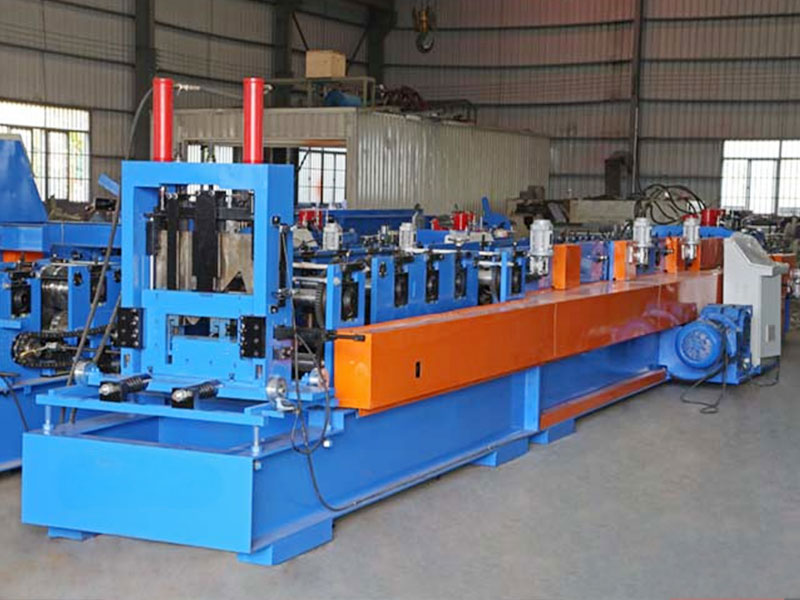
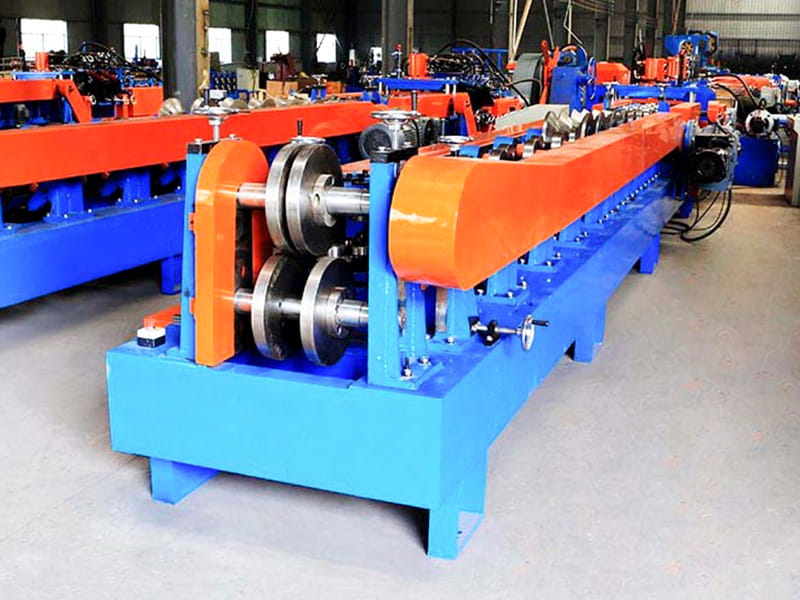
The 100-300 Type CZ Purlin Roll Forming Machine is a versatile, flexible cold-roll forming system specifically designed for steel structure building e...
See Detail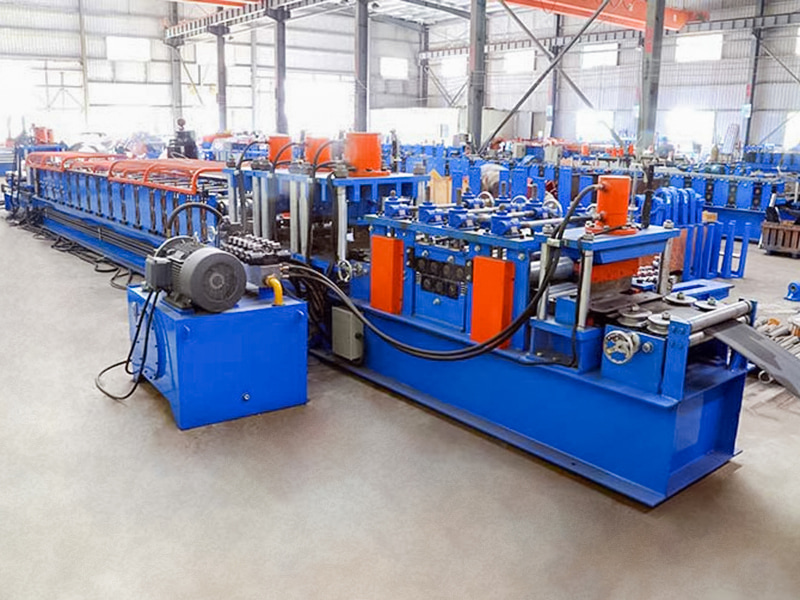
The 80-300 type Fully Automatic C-purlin Roll Forming Machine is a high-performance automated production equipment designed to meet the construction i...
See Detail
The CZ Purlin Roll Forming Machine is a highly automated industrial machine specifically designed for the efficient and continuous production of C/Z-s...
See Detail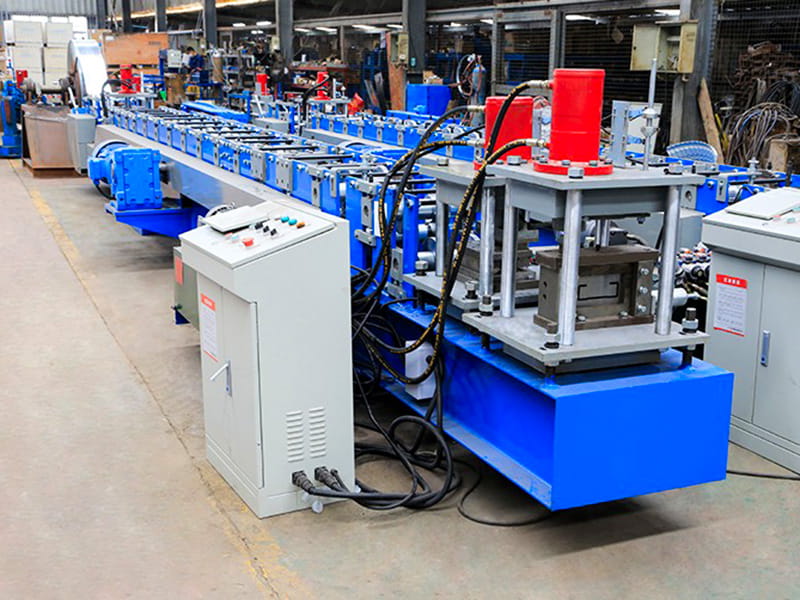
The C-purlin Roll Forming Machine is a core piece of specialized equipment in the manufacturing of steel structure building envelope systems. Using ga...
See Detail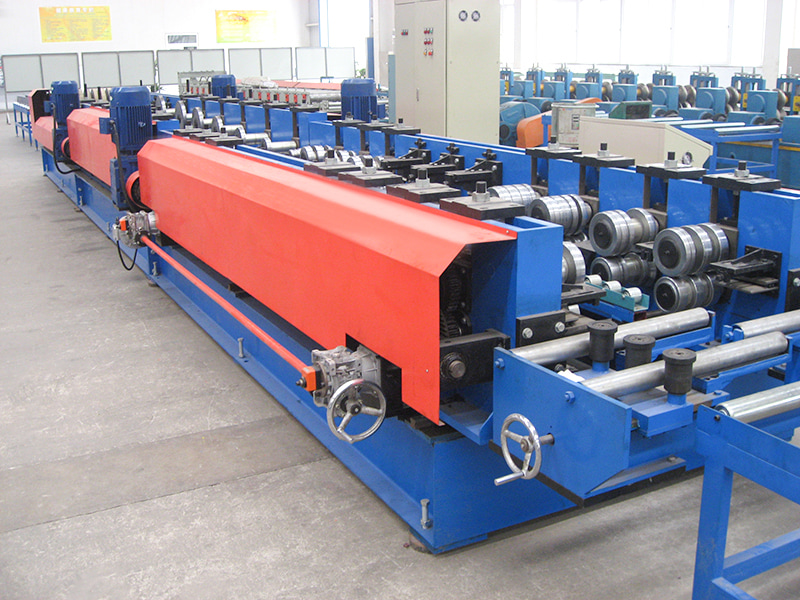
The cable tray roll forming machine is a fully automatic roll forming machine specifically designed for the mass production of metal support component...
See Detail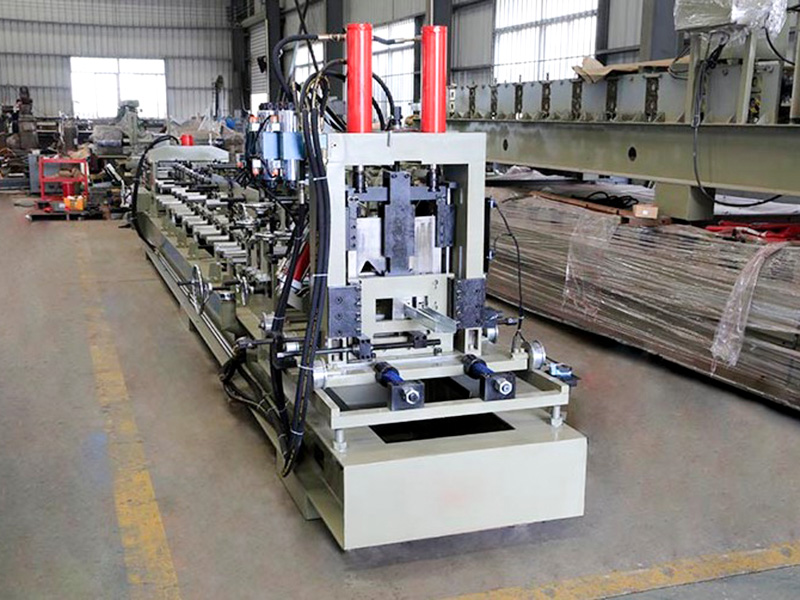
The CU Purlin Roll Forming Machine is a composite cold-roll forming system developed to meet the steel structure construction industry's growing deman...
See Detail

Copyright ©Jiangyin Hailong Machinery Factory All rights reserved Roll Forming Machine Manufacturers
