


 English
 中文简体
中文简体 русский
 عربى
عربىDoor Frame Roll Forming Machines
The door frame roll forming machine is a cold-bending and rolling-forming machine specifically designed for producing door and window frames (such as ...
See DetailContent
Metal profile roll forming machines provide the most cost-effective solution for high-volume production of consistent structural components, achieving speeds up to 60 meters per minute with tolerances within ±1mm. Unlike traditional press braking, which processes material in discrete steps, roll forming continuously bends strip metal through a series of paired rotating dies. This method significantly reduces material waste and energy consumption while ensuring uniform mechanical properties across the entire length of the profile.
The primary value proposition lies in scalability and repeatability. For manufacturers producing roofing sheets, wall cladding, or structural studs, the ability to run coils ranging from 5 to 10 tons without interruption minimizes downtime. This continuous process allows for the integration of inline operations such as punching, embossing, and cutting, creating a fully automated production line that requires minimal manual labor.
The quality of the final metal profile is directly determined by the precision and durability of the machine's core components. Understanding these elements helps in selecting equipment that meets specific industrial standards.
The number of roller stations dictates the smoothness of the forming process. Complex profiles require more stations to distribute the strain evenly, preventing material thinning or edge buckling. High-quality machines use rollers made from Cr12MoV steel or similar alloy tools, heat-treated to a hardness of HRC 58-62. This ensures resistance to wear and maintains profile geometry over millions of cycles.
The drive system controls the speed and torque applied to the rollers. Chain drives are common for heavy-duty applications due to their robustness, while gearboxes offer higher precision and quieter operation. A stable power transmission system is critical for maintaining consistent forming speeds, especially when processing high-strength steel grades.
Efficiency in roll forming is measured not just by speed, but by the ratio of usable output to input material and energy. Modern machines optimize this through advanced control systems and precise mechanical design.
| Metric | Standard Line | High-Speed Line |
|---|---|---|
| Forming Speed | 15-25 m/min | 40-60 m/min |
| Material Utilization | 92-95% | 96-98% |
| Changeover Time | 30-45 mins | 5-10 mins (Auto) |
| Tolerance Accuracy | ±1.5 mm | ±0.5 mm |
As shown in the table, high-speed lines with automatic changeover capabilities significantly reduce non-productive time. This is particularly beneficial for facilities handling diverse order sizes, where frequent profile adjustments are necessary. The improved material utilization also translates to direct cost savings, especially when processing expensive coated or stainless steels.
Preventive maintenance is crucial for sustaining the performance and longevity of metal profile roll forming machines. A structured maintenance plan minimizes unexpected breakdowns and ensures consistent product quality.
Implementing these maintenance steps can extend the machine's operational life by 10-15 years and maintain production efficiency at optimal levels. Regular training for operators on basic troubleshooting and care further enhances equipment reliability.
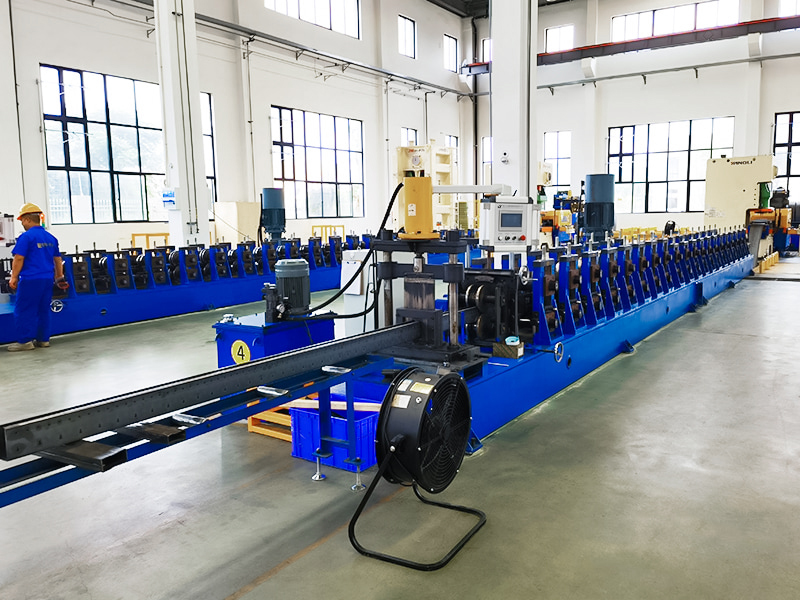
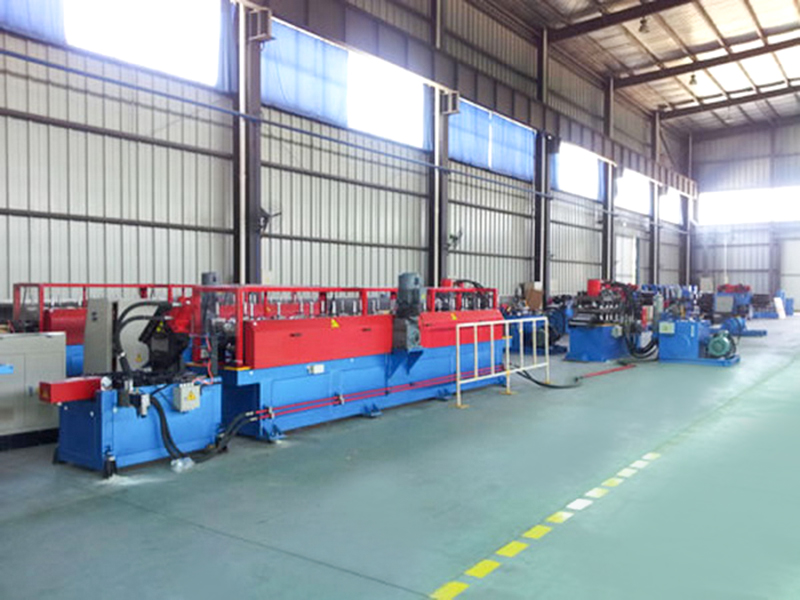
The door frame roll forming machine is a cold-bending and rolling-forming machine specifically designed for producing door and window frames (such as ...
See Detail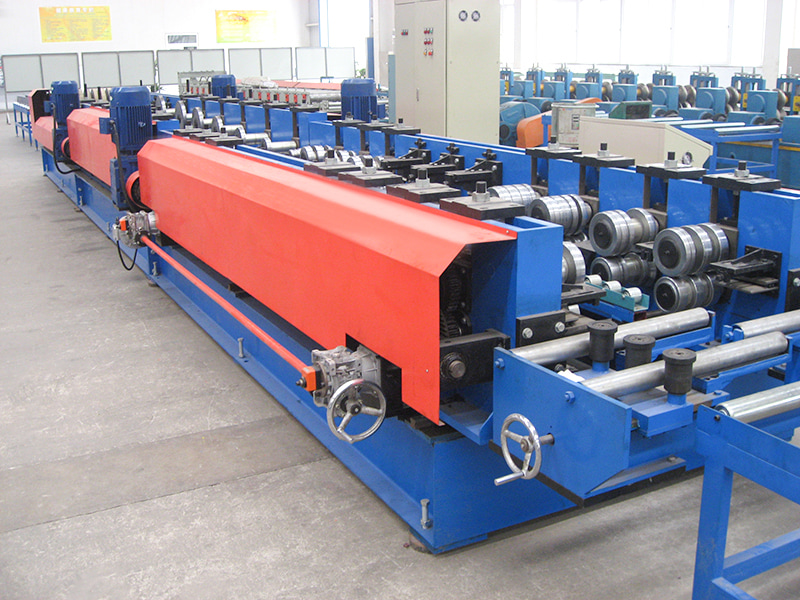
The cable tray roll forming machine is a fully automatic roll forming machine specifically designed for the mass production of metal support component...
See Detail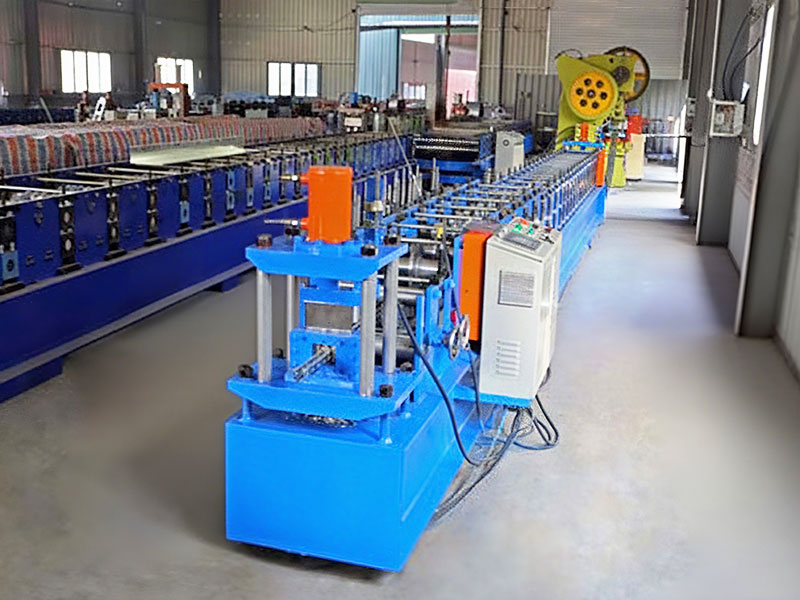
The Solar Strut Channel Roll Forming Machines is a fully automated rolling machine specifically designed for producing metal components for solar phot...
See Detail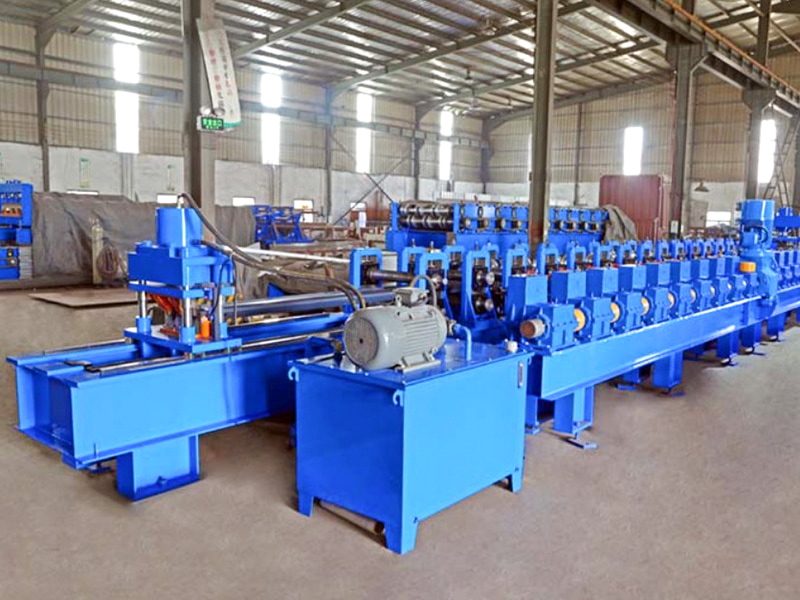
The highway guardrail roll forming machine is an automated cold-forming machine specifically designed for the continuous production of W-beam guardrai...
See Detail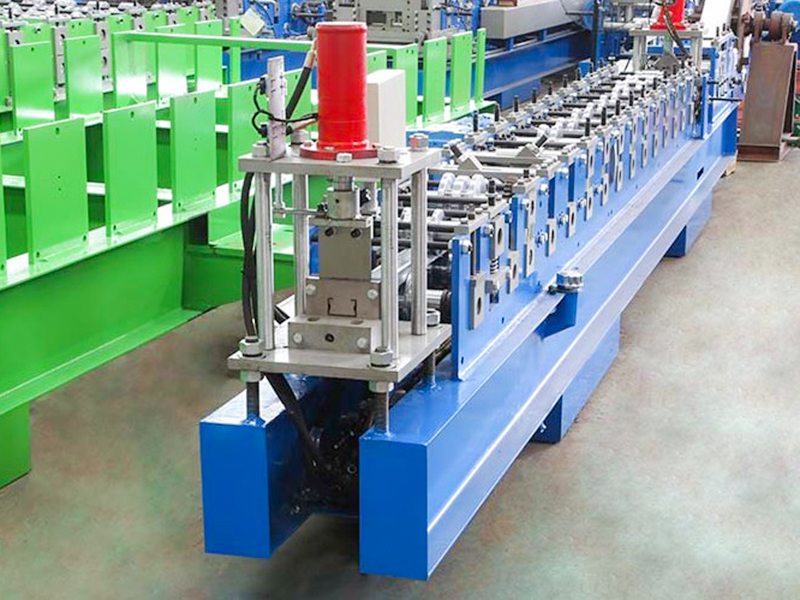
The Pallet Profile Roll Forming Machine is an intelligent rolling equipment specially used for producing the core components of all-steel pallets in l...
See Detail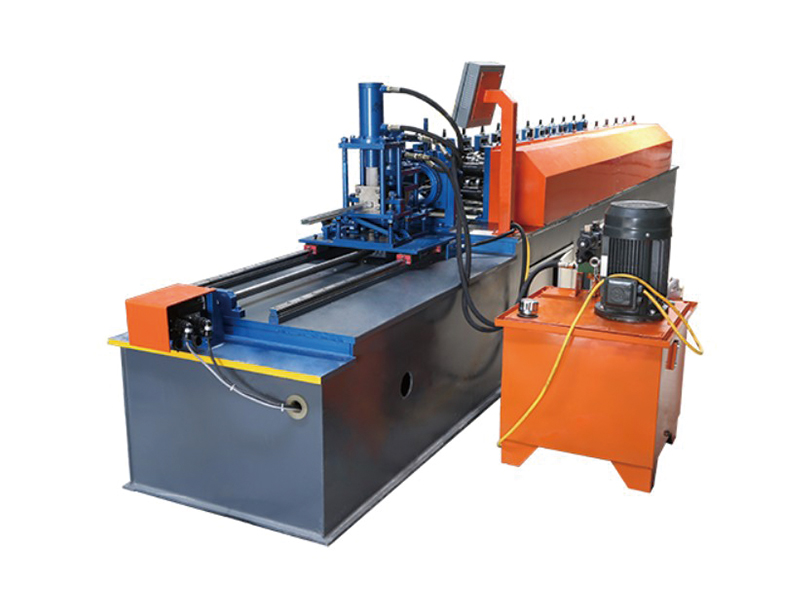
Steel Stud and Track Roll Forming Machines are automated machines specifically designed to continuously cold-bend and plastically deform continuous co...
See Detail

Copyright ©Jiangyin Hailong Machinery Factory All rights reserved Roll Forming Machine Manufacturers
