


 English
 中文简体
中文简体 русский
 عربى
عربىFlatpack Container House Top Beam Roll Forming Machine
The flatpack container house top beam roll forming machine is specially tailored for the flatpack container roof structure production. Through high-pr...
See DetailWhat standards must a qualified container house satisfy? This article outlines the key criteria across four dimensions—structural integrity, fire safety, general safety, and environmental protection—for your reference.
1. Structural Design
1). Strength Requirements: A container house must be capable of withstanding specified stacking loads and dynamic loads. A common requirement is that, during stacking tests, the roof must sustain a pressure equivalent to 1.8 times the maximum stacking weight for 24 hours without exhibiting any permanent deformation or structural failure.
2). Stiffness Control: Under load-bearing conditions, the deformation of the overall structure and critical nodes (such as corner castings) must remain within permissible limits to ensure stability during multi-layer stacking and hoisting operations.
3). Connection Quality: Welded or bolted connections between corner castings, beams, panels, and the container body must meet specific requirements regarding weld dimensions and mechanical properties. Typically, the tensile strength of the welds should be no less than 85% of that of the base material to prevent connection failures that could lead to safety accidents.
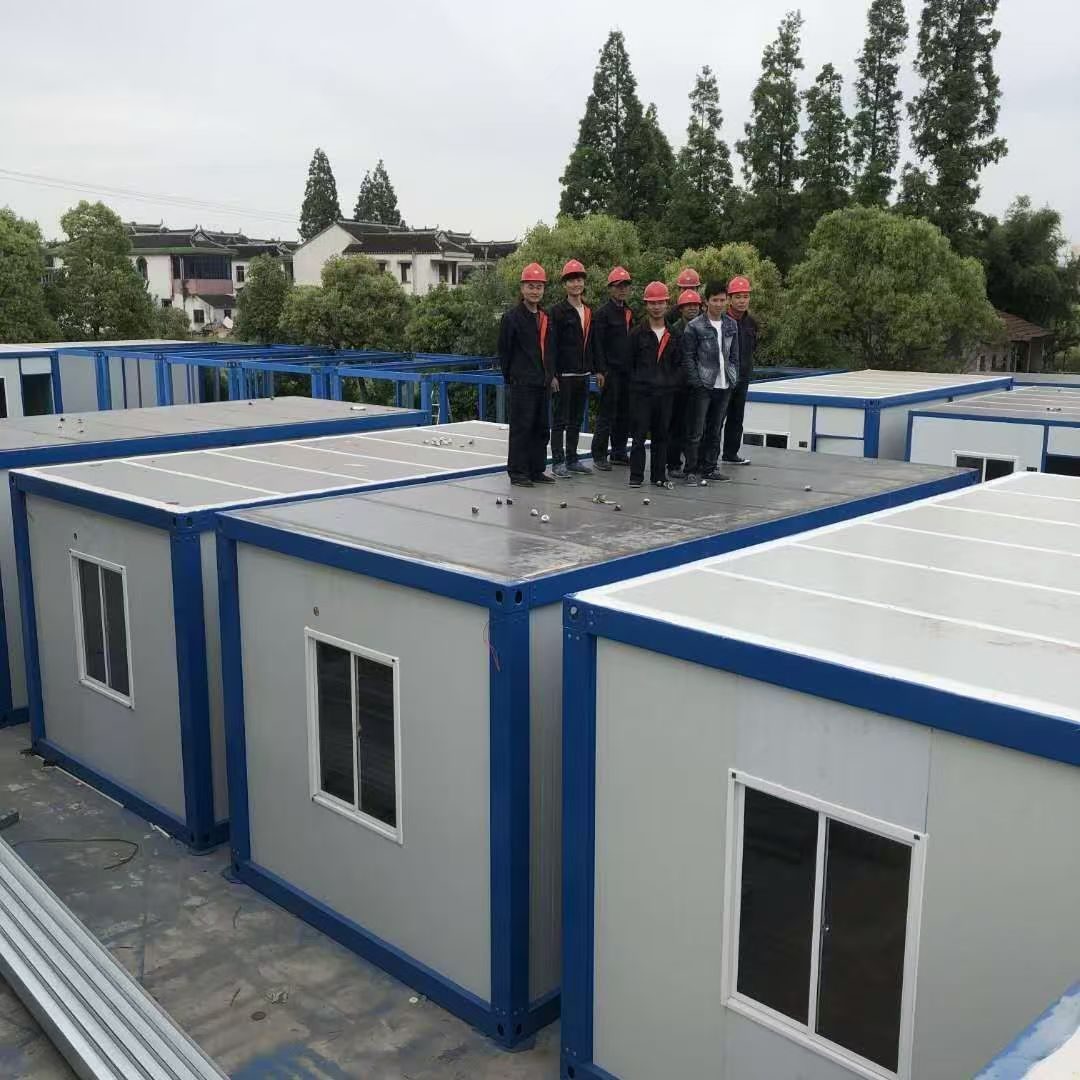
2. Fire Safety Standards
1). It is recommended that walls and roofing be constructed using non-combustible or flame-retardant materials, with a fire-resistance rating of Class A or, at a minimum, Class B1. Rock wool sandwich panels are frequently used for this purpose; their low thermal conductivity and excellent flame-retardant properties effectively delay the spread of fire. For large interior spaces, fire compartmentalization designs should be implemented; the fire-resistance rating of components such as firewalls should generally be no less than 3 hours to ensure adequate time for occupant evacuation and emergency rescue operations.
3. Safety Requirements
1). Ventilation: The structure must comply with health standards for residential environments. The total area of ventilation openings in each living unit should be no less than 5% of the floor area, with at least half of these openings being operable to ensure adequate fresh air circulation and the expulsion of harmful gases.
2). Door and Window Dimensions and Safety: Doors must have a clear opening width of no less than 0.9 meters and a height of no less than 2.0 meters. Windows should be designed to balance the need for natural lighting with safety requirements; priority should be given to the use of double-layer tempered safety glass, which possesses significantly higher impact resistance than standard glass.
3). Electrical System: All wiring and power distribution equipment must comply with national electrical codes. Cable specifications and rated voltages must be adequate to meet load requirements. Distribution boxes must be equipped with residual current devices (RCDs) featuring a tripping current of no more than 30 mA and a tripping time of no more than 0.1 seconds, thereby mitigating the risks of electric shock and electrical fires.
4. Environmental Protection and Comfort: Material specifications regarding hazardous substances must meet regulatory standards; in particular, formaldehyde emissions from engineered wood products must meet the E1-grade standard to prevent long-term health risks. Sound insulation is another critical factor in residential quality; walls and roofing systems should provide sound attenuation of at least 30 dB(A) to ensure a quiet living environment—a requirement of particular importance in camp settings or temporary housing scenarios.
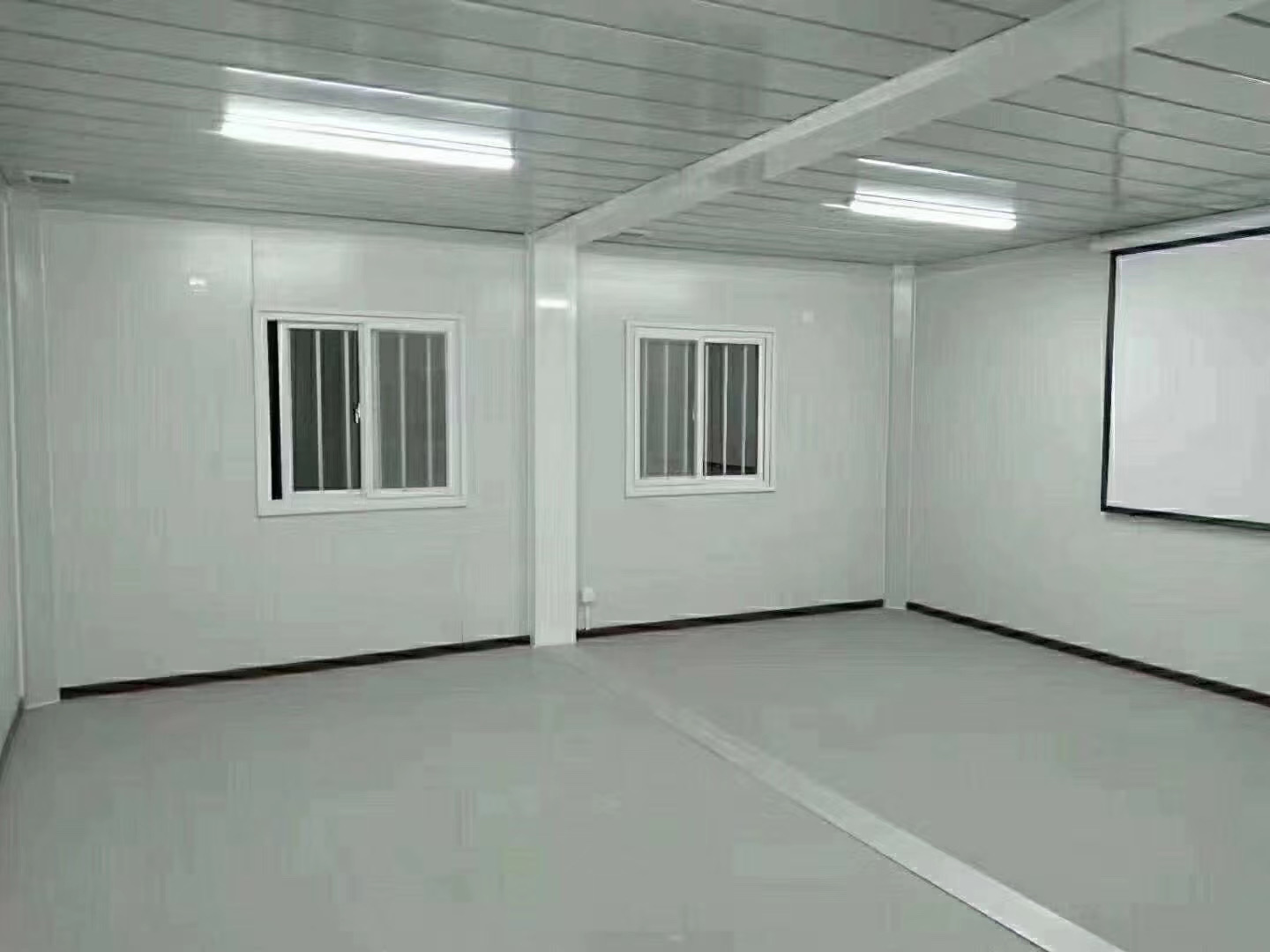
Finally, Recommendations for the Acceptance and Implementation of Container Housing Projects:
1. During the procurement phase, require manufacturers to provide relevant test reports and material compliance certificates.
2. During the on-site installation phase, prioritize quality checks of welding joints, verify proper electrical grounding and system commissioning, and conduct item-by-item inspections of ventilation and waterproofing junctions.
3. For projects requiring customization, clearly define specifications regarding structural loads, ceiling heights, fire compartmentation, and mechanical/electrical interfaces during the design phase to avoid the need for costly rework later in the process.
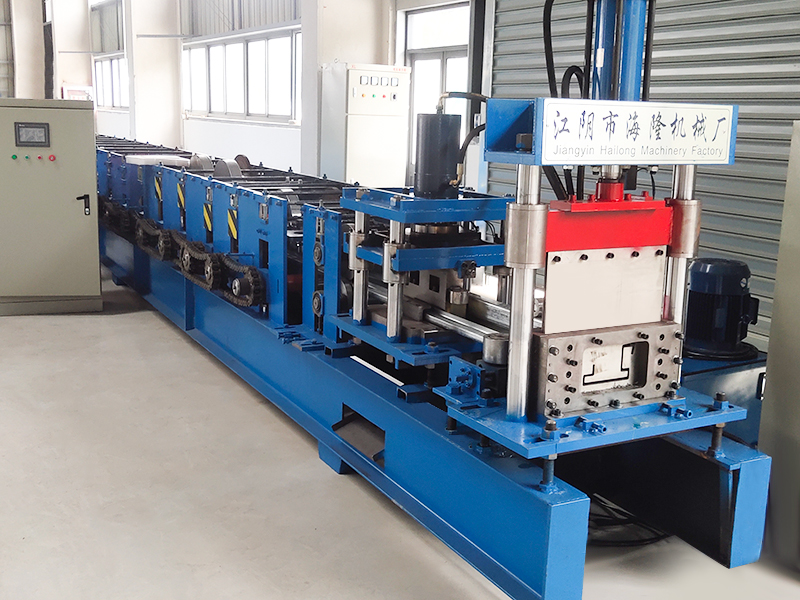
The flatpack container house top beam roll forming machine is specially tailored for the flatpack container roof structure production. Through high-pr...
See Detail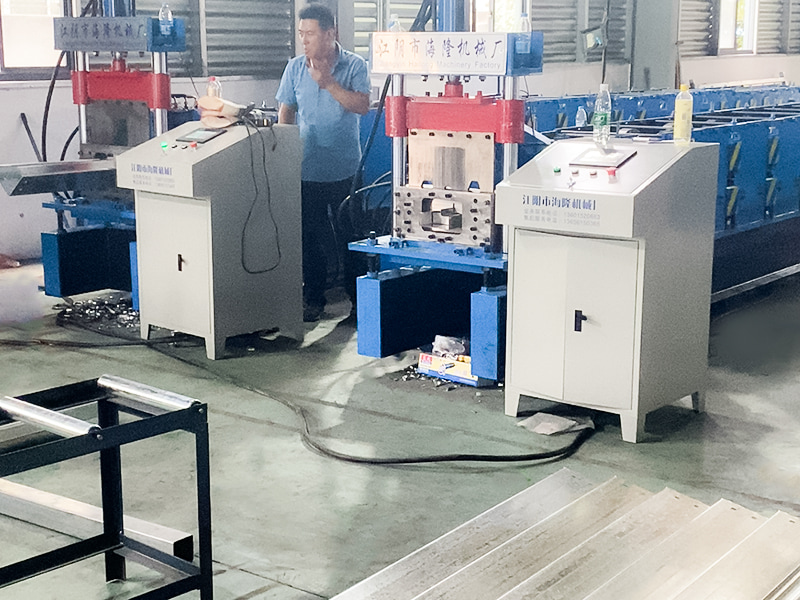
The Detachable Container House Beam is the main load-bearing structural member of the Detachable Container House (a modular container-type house, equi...
See Detail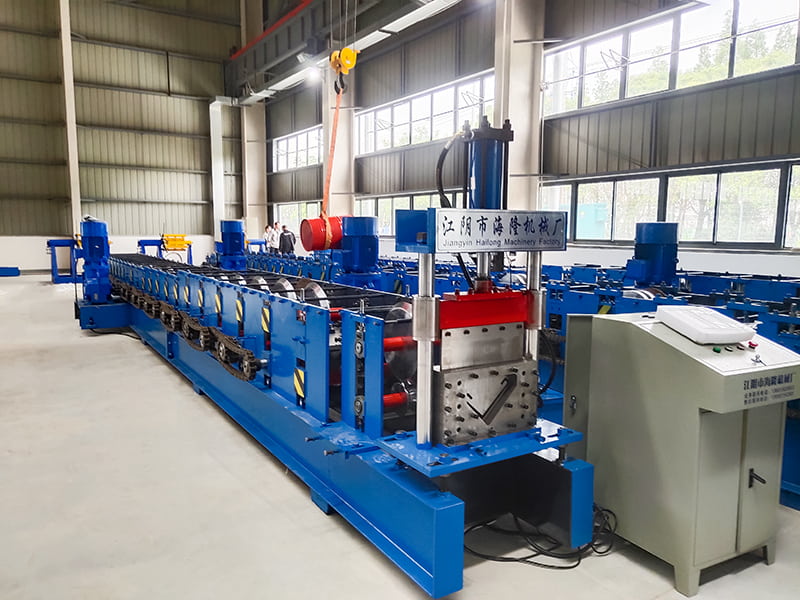
The Flatpack container house column roll forming machine is an automated cold roll forming production line specifically designed for the cross-section...
See Detail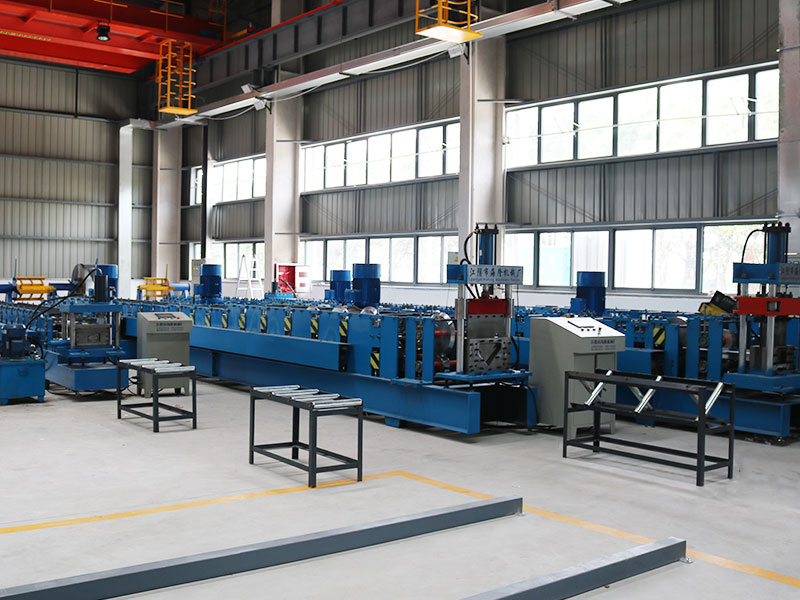
Detachable Container House: refers to a special container or modular building unit. It is characterized by being able to be quickly assembled, disasse...
See Detail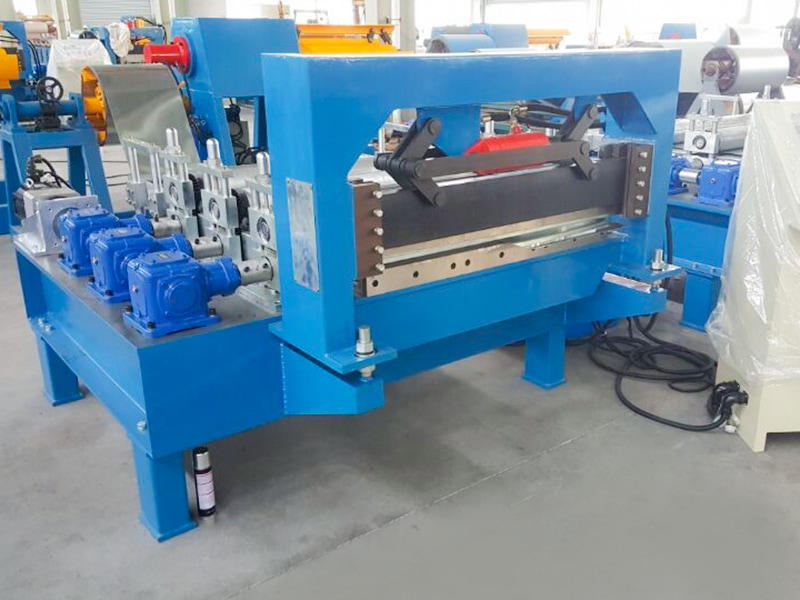
The Simple Coil Flattening and Cutting Machine is an economical two-in-one machine for pre-processing metal sheets, offering a simple structure, basic...
See Detail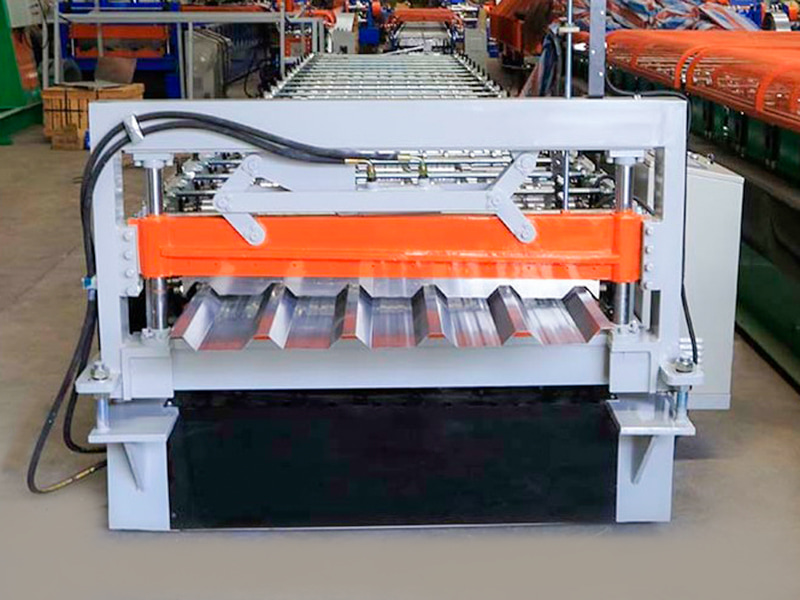
The high speed roofing sheet roll forming machine is a fully automatic sheet metal processing machine designed specifically for the construction indus...
See Detail

Copyright ©Jiangyin Hailong Machinery Factory All rights reserved Roll Forming Machine Manufacturers
