


 English
 中文简体
中文简体 русский
 عربى
عربىCable Tray Roll Forming Machines
The cable tray roll forming machine is a fully automatic roll forming machine specifically designed for the mass production of metal support component...
See DetailContent
A high-performance C purlin roll forming machine typically achieves production speeds between 15 and 25 meters per minute, allowing a single shift to produce enough structural supports for approximately 500-800 square meters of roofing or wall cladding. These machines are engineered to convert flat steel coils into precise C-shaped profiles with consistent dimensional accuracy, crucial for the structural integrity of industrial buildings.
The primary advantage of dedicated C purlin equipment lies in its ability to handle material thicknesses ranging from 1.5mm to 3.0mm without compromising form quality. By integrating automated punching and cutting systems, these lines reduce manual labor requirements by up to 60% compared to traditional press-brake methods, while simultaneously minimizing material waste through optimized nesting and cut-length precision.
The core of any C purlin roll forming machine is its station design. The number of forming stations directly influences the smoothness of the bend and the final geometric accuracy of the C-channel. Insufficient stations can lead to material spring-back or edge distortion, while excessive stations increase machine footprint and cost without proportional benefits.
Most standard C purlin machines utilize between 10 and 14 roller stations. This configuration is optimal for processing galvanized steel coils into standard C-profiles with web heights ranging from 80mm to 300mm. Each station incrementally bends the steel strip, ensuring that the internal stress is distributed evenly across the cross-section.
To withstand the high pressure of forming thick-gauge steel, the rollers are typically manufactured from Cr12MoV tool steel or equivalent high-carbon alloys. These materials are heat-treated to a hardness of HRC 58-62, providing exceptional resistance to wear and deformation. High-quality rollers maintain their polish and geometry for over 5 million meters of production, ensuring long-term consistency in profile dimensions.
Modern C purlin roll forming machines are distinguished by their integrated automation capabilities, particularly in hole punching and cut-to-length operations. These features are essential for meeting the specific engineering requirements of construction projects, where purlins must align precisely with roof trusses or wall girts.
| Feature | Hydraulic System | Servo-Driven System |
|---|---|---|
| Positioning Accuracy | ±1.5 mm | ±0.5 mm |
| Operation Noise | High (85-90 dB) | Low (70-75 dB) |
| Maintenance Frequency | Every 3 months | Every 6-12 months |
| Initial Cost | Lower | Higher |
For high-volume production environments, servo-driven punching systems are increasingly preferred due to their superior accuracy and quieter operation. Although the initial investment is higher, the reduced maintenance needs and precise hole placement minimize rework and assembly issues on construction sites.
Choosing the appropriate C purlin roll forming machine requires a careful assessment of your production goals, material specifications, and available floor space. A mismatch between machine capability and operational needs can lead to inefficiencies or premature equipment failure.
By aligning these technical specifications with your business model, you can ensure a robust return on investment. A well-selected C purlin line not only boosts production capacity but also enhances the overall quality and reliability of the structural components you supply to the construction industry.
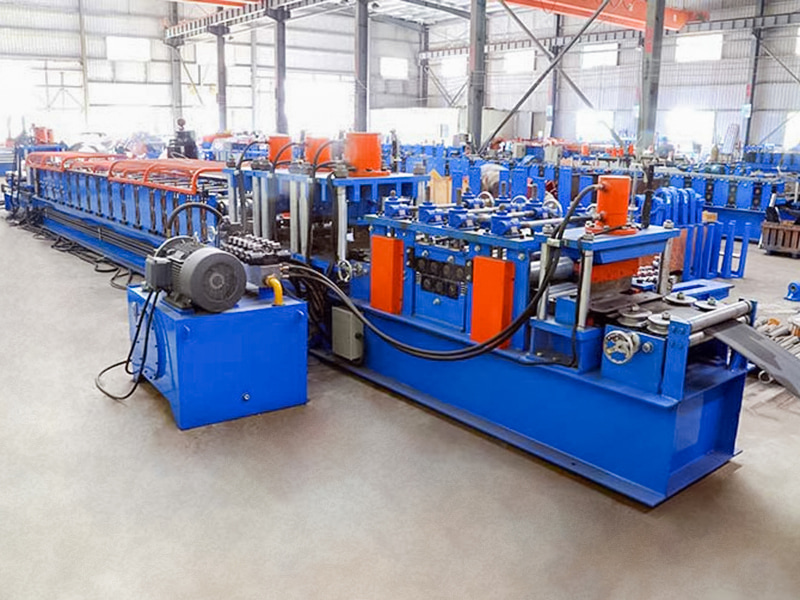
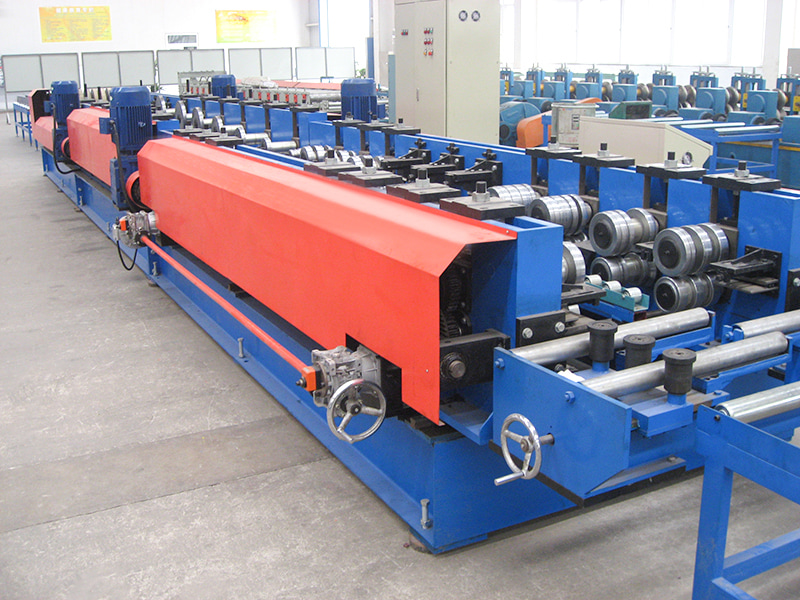
The cable tray roll forming machine is a fully automatic roll forming machine specifically designed for the mass production of metal support component...
See Detail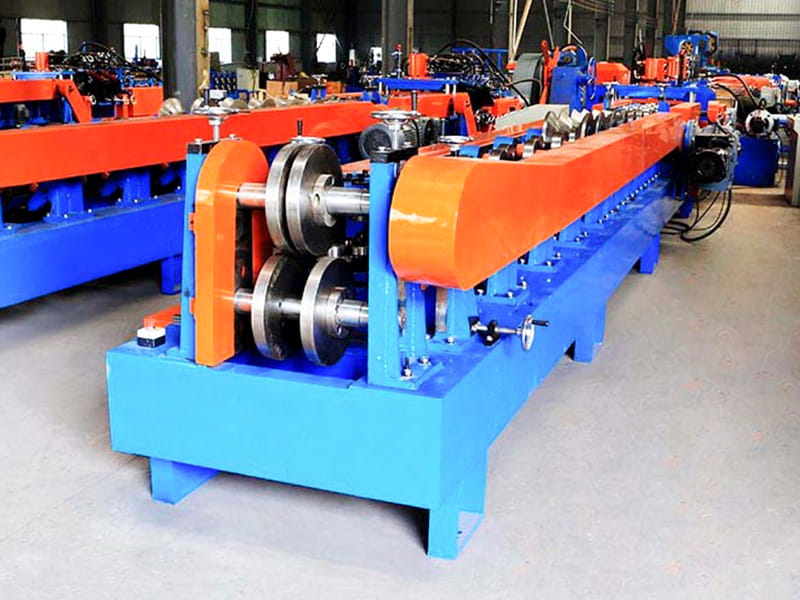
The 100-300 Type CZ Purlin Roll Forming Machine is a versatile, flexible cold-roll forming system specifically designed for steel structure building e...
See Detail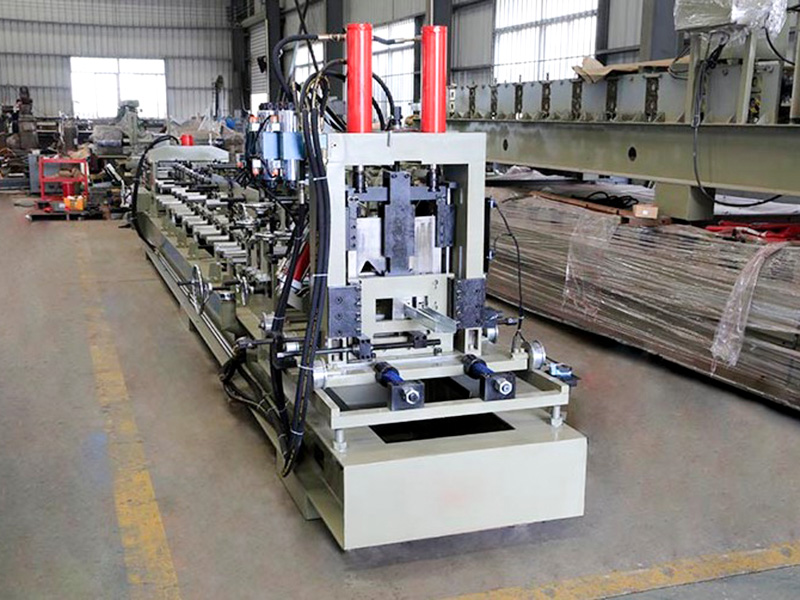
The CU Purlin Roll Forming Machine is a composite cold-roll forming system developed to meet the steel structure construction industry's growing deman...
See Detail
The 80-300 type Fully Automatic C-purlin Roll Forming Machine is a high-performance automated production equipment designed to meet the construction i...
See Detail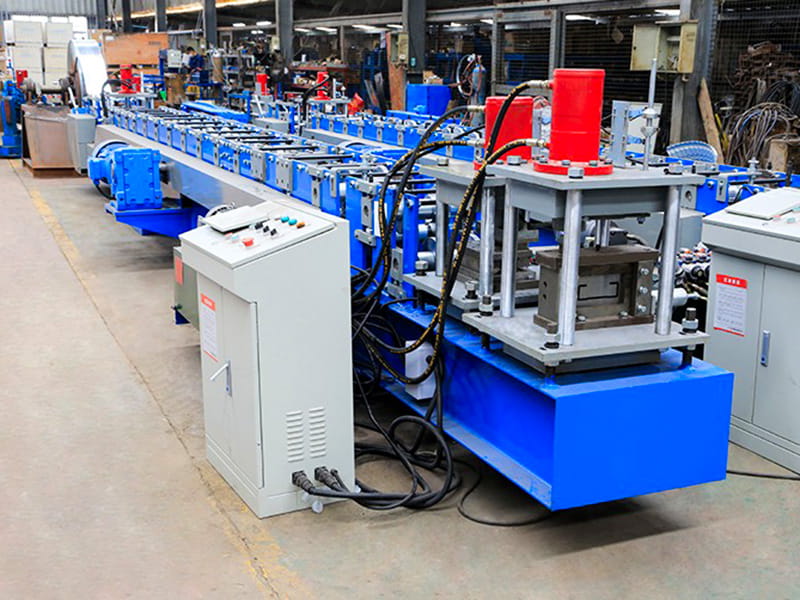
The C-purlin Roll Forming Machine is a core piece of specialized equipment in the manufacturing of steel structure building envelope systems. Using ga...
See Detail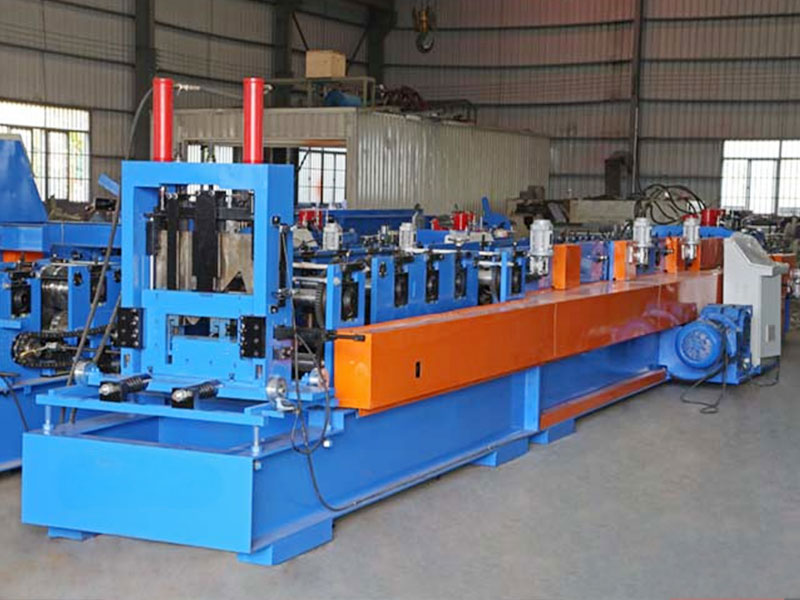
The CZ Purlin Roll Forming Machine is a highly automated industrial machine specifically designed for the efficient and continuous production of C/Z-s...
See Detail

Copyright ©Jiangyin Hailong Machinery Factory All rights reserved Roll Forming Machine Manufacturers
