


 English
 中文简体
中文简体 русский
 عربى
عربى686-Type Strong Stability IBR Sheet Roll Forming Machines
The 686 IBR Roll Forming Machine is a sheet metal processing machine specifically designed for the continuous production of 686 IBR roof/wall panels. ...
See DetailContent
A roofing sheet plant in South Africa shut down for three weeks because the machine they bought couldn't hold cutting length accuracy beyond ±3mm. The IBR panels failed lap-joint inspection, and the entire batch was scrapped. The machine was cheap. The lesson wasn't.
If you're sourcing IBR sheet roll forming machines for the first time—or upgrading an existing line—this guide walks you through what actually matters before you sign a purchase order.
IBR stands for Inverted Box Rib. The profile's alternating raised ribs and flat valleys give it superior load-bearing capacity and water runoff performance compared to standard corrugated sheets. But that same geometry is unforgiving during forming: if any roller station is misaligned by even a fraction of a millimeter, the ribs won't nest correctly during installation, and lap joints leak.
This is why IBR-specific machines use dedicated roller dies engineered for the exact rib height and pitch of the target profile—686mm or 890mm effective width being the two most common standards. Generic "roofing sheet" machines cannot substitute. The tooling has to match the profile.
1. Number of Forming Stations
Most IBR roll formers use between 18 and 22 forming stations. Fewer stations mean each pass applies more stress to the metal, increasing the risk of springback and surface cracking—especially on galvanized coatings. A 20-station setup gives the metal enough time to conform gradually without over-stressing the zinc layer.
2. Roller Material and Hardness
Rollers made from high-quality 45# steel, fine-machined and quenched to HRC 58–62, maintain dimensional accuracy over years of continuous use. Softer rollers wear faster, change profile shape, and eventually compromise sheet quality without obvious warning signs.
3. Material Thickness Range
Standard IBR machines handle 0.3mm to 0.8mm galvanized coil. If your customers regularly request thicker structural sheets, verify that the machine's frame and drive system are rated for that load—not just the roller spec sheet.
4. Cutting System
Hydraulic flying shear (cut-to-length while moving) minimizes waste and maintains line speed. The blade material matters: Cr12MoV steel, quenched to HRC 58–62, holds a sharp edge through high-volume cycles without chipping. A dull blade doesn't just cut poorly—it deforms the sheet end and slows the entire line.
5. Control System
A Siemens or Schneider PLC gives you reliable parameter storage, accurate length counting, and remote diagnostics support. Proprietary control systems from unknown brands are cheaper upfront but create parts-sourcing nightmares within two years.
The 686-type IBR sheet roll forming machine offers a useful benchmark for buyers evaluating mid-range production lines. Here's what a well-built unit delivers:
| Parameter | Specification |
|---|---|
| Forming Stations | 20 Groups |
| Raw Material Thickness | 0.3–0.8mm (Q235 Galvanized Coil) |
| Production Speed | 10–12 m/min |
| Main Motor Power | 5.5 kW |
| Hydraulic Station Power | 4 kW (cut-off) + 2.2 kW (uncoiler) |
| Roller Material | 45# Steel, Fine-Machined, Quenched |
| Cut Blade Material | Cr12MoV, HRC 58–62 |
| Main Shaft Diameter | φ75mm, 45# Steel |
| Uncoiler Capacity | 5 Tons, with Loading Platform |
| Control System | Siemens / Schneider PLC |
| Total Line Length | ~18 Meters |
| Equipment Weight | ~6 Tons |
At 10–12 m/min, a single shift can produce over 3,000 linear meters of IBR panel—enough to cover a large warehouse roof. The 5-ton hydraulic uncoiler handles standard coil sizes without manual repositioning mid-run, which directly reduces labor cost per shift.
Speed alone doesn't define output. A 686-type running at 12 m/min with one coil changeover per hour delivers far more usable product than a faster machine with frequent stops for blade adjustments or length calibration errors.
Consider your profile mix. If your customers order both IBR and corrugated sheets, a double-layer roll forming machine capable of switching between two profiles on a single line may reduce capital expenditure and floor space significantly. If your volume justifies dedicated lines, pair the IBR machine with a corrugated sheet roll forming machine running in parallel—both drawing from the same coil inventory.
Also factor in your local power supply. The total connected load for a standard IBR line (main motor + hydraulic stations) runs to roughly 12 kW. Confirm your facility's electrical capacity before equipment arrives.
The most common cause of premature roller wear isn't overuse—it's running contaminated or under-tension coil material. Coils that arrive with surface rust, uneven edges, or moisture should be inspected and conditioned before they enter the forming line.
Lubricate the drive chain weekly under normal production loads. Check roller alignment every 500 operating hours—small drift accumulates invisibly until it shows up as profile deviation in the finished sheets. A well-maintained machine from a reputable supplier routinely exceeds 10 years of productive service life.
For detailed maintenance schedules and spare parts guidance, the technical knowledge and aftersales service resources on this site cover hydraulic system care, roller replacement procedures, and how to source OEM components without downtime surprises.
Buying the right IBR sheet roll forming machine is a five-year decision, not a line-item purchase. Match the specs to your actual material range, confirm the control system's support ecosystem, and treat maintenance as part of the production budget—not an afterthought.
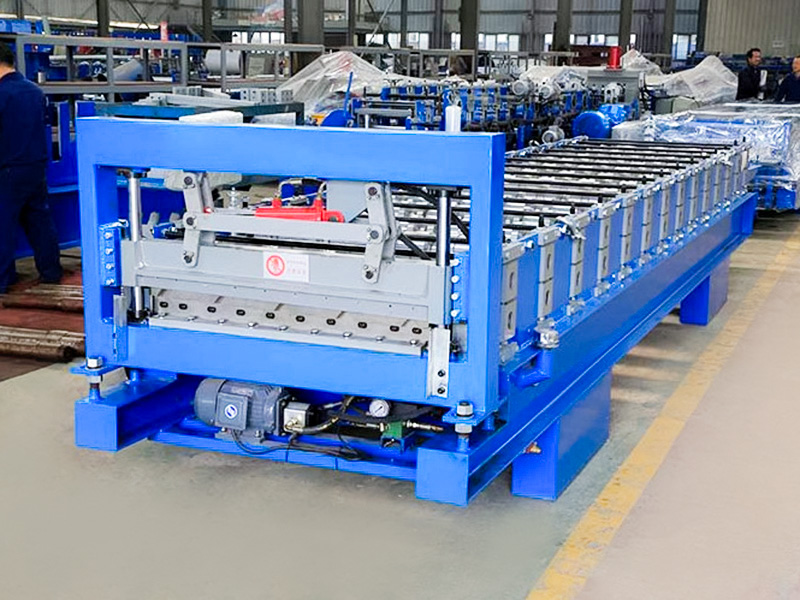
The 686 IBR Roll Forming Machine is a sheet metal processing machine specifically designed for the continuous production of 686 IBR roof/wall panels. ...
See Detail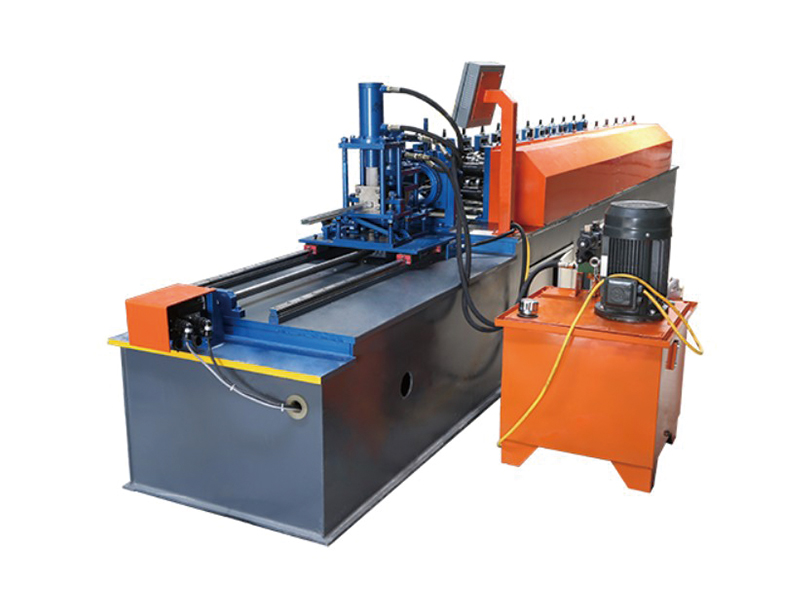
Steel Stud and Track Roll Forming Machines are automated machines specifically designed to continuously cold-bend and plastically deform continuous co...
See Detail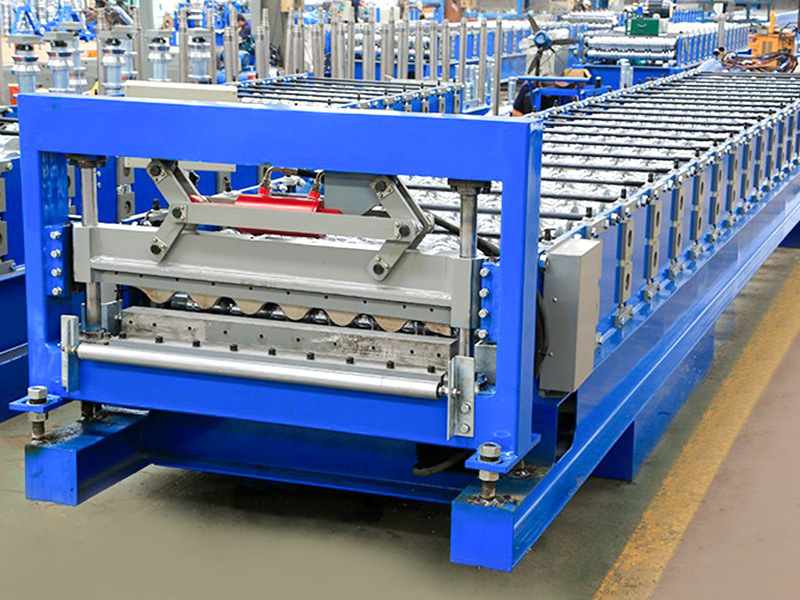
The YX36.5-780 corrugated sheet, with its moderate corrugated height and effective width, strikes an excellent balance between strength, cost-effectiv...
See Detail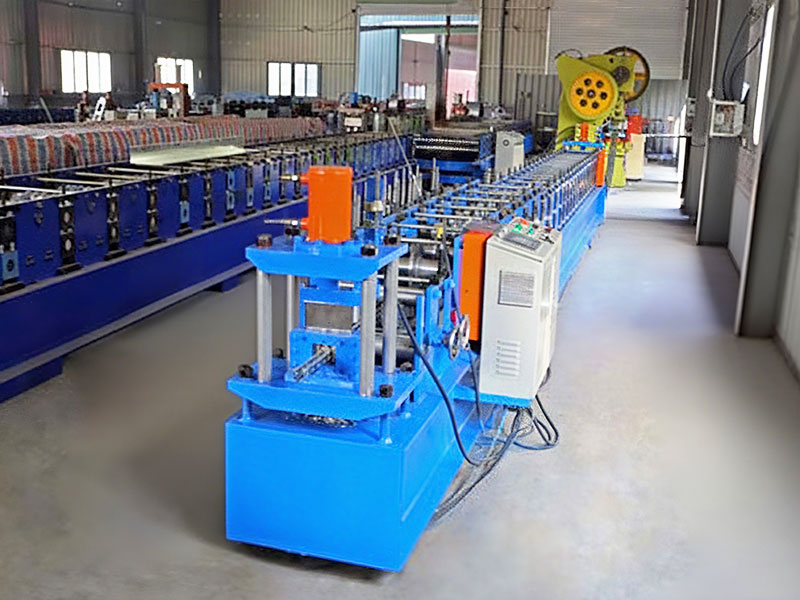
The Solar Strut Channel Roll Forming Machines is a fully automated rolling machine specifically designed for producing metal components for solar phot...
See Detail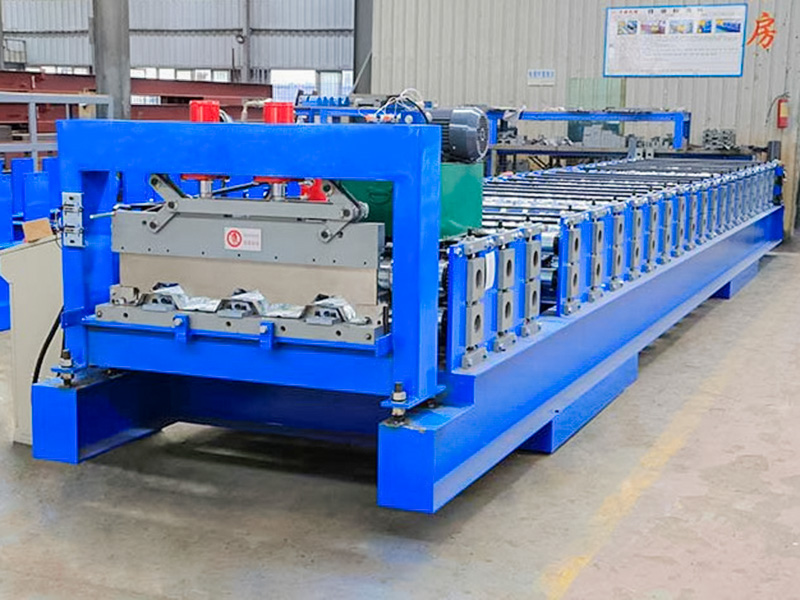
The YX50-1005 floor decking roll-forming machine is an automated roll-forming machine specifically designed for producing YX50-1005 closed-end floor d...
See Detail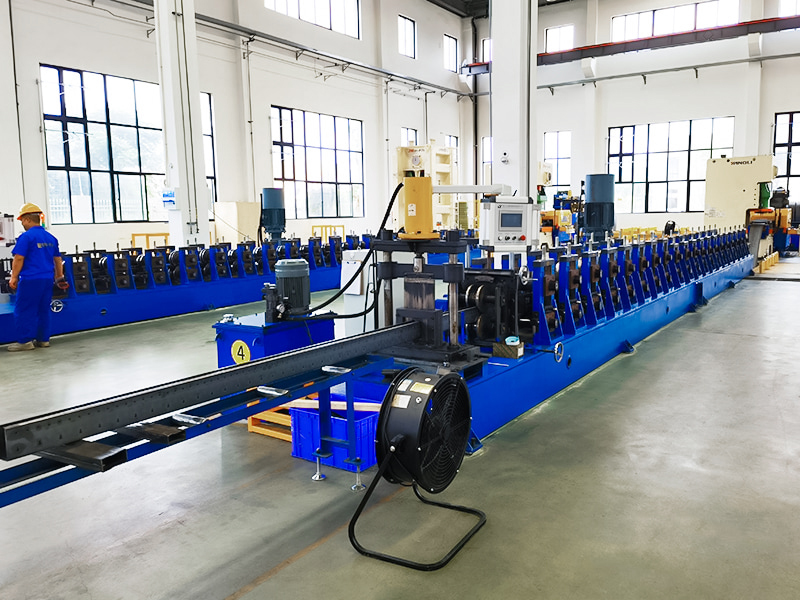
The Box-beam Roll Forming Machines is a core production equipment in the warehousing and logistics equipment manufacturing industry, specifically desi...
See Detail

Copyright ©Jiangyin Hailong Machinery Factory All rights reserved Roll Forming Machine Manufacturers
