


 English
 中文简体
中文简体 русский
 عربى
عربىFlatpack Container House Top Beam Roll Forming Machine
The flatpack container house top beam roll forming machine is specially tailored for the flatpack container roof structure production. Through high-pr...
See DetailIn today's society, traditional living arrangements face numerous challenges, such as soaring housing prices, a scarcity of urban space, and heightened environmental awareness. Against this backdrop, container housing camps have gained increasing attention and popularity as an innovative residential solution. They represent not merely a new housing option, but a modern lifestyle that integrates environmental sustainability, cost-effectiveness, and aesthetics.
These structures are characterized by their durability, flexibility, and affordability, making them ideal for rapid construction across diverse environments. Compared with traditional buildings, container housing camps offer shorter construction times and lower costs; furthermore, they enable efficient use and reuse of resources, aligning with modern society's commitment to sustainable development and environmental protection.
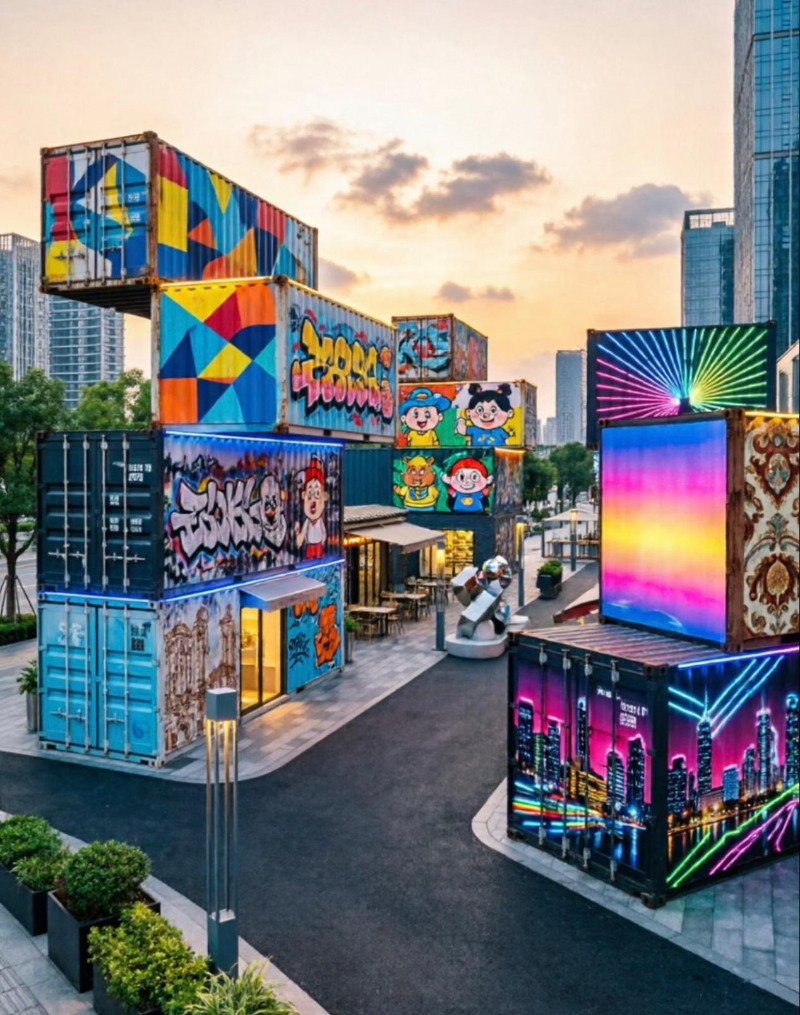
The development of a container housing camp typically involves several key stages: site selection, design, construction, and final inspection.
Site selection is paramount; it requires not only consideration of geographical convenience but also a comprehensive analysis of the surrounding environment's sustainability and suitability. A prime location can enhance the camp's market value and attract a larger number of visitors.
During the design phase, architects must create plans that account for factors such as terrain and climate. Additionally, to cater to diverse client needs, many camps now offer personalized customization services, allowing customers to tailor the spatial design to their own preferences.
The construction phase focuses on ensuring structural integrity while implementing essential measures for waterproofing, thermal insulation, and soundproofing. These details directly impact the comfort of the occupants and the longevity of the container units.
Finally, once they pass inspection, the container housing camps are ready for use. Environmental consciousness is integrated throughout the entire process, with many developers prioritizing the use of renewable materials to minimize their ecological footprint.
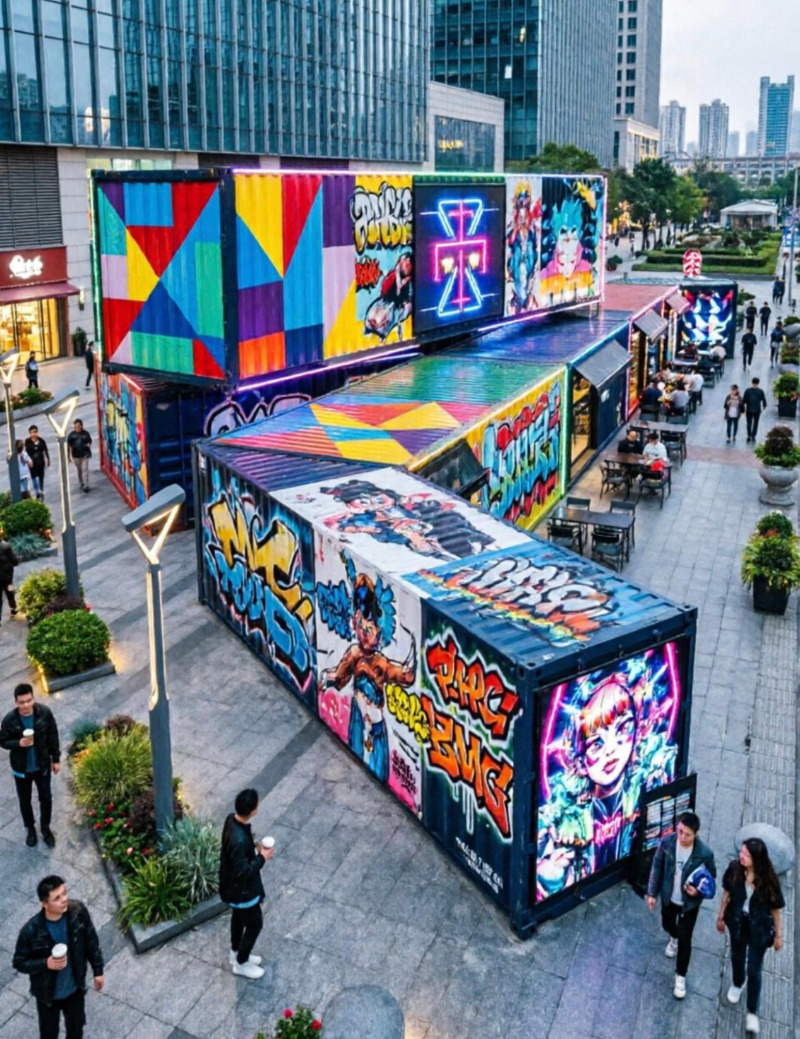
As urbanization accelerates, an increasing number of city dwellers are seeking non-traditional living arrangements. Container housing camps have become a particularly popular choice in sectors such as tourism, vacationing, and short-term rentals.
Moreover, container housing camps effectively meet the demand for public spaces. For instance, constructing container housing camps on unused land at schools, corporate campuses, and other institutions can provide additional living space for employees or students, thereby alleviating the pressure of urban housing.
As an emerging form of housing, container camps offer multiple advantages—such as flexibility, cost-effectiveness, and environmental sustainability—and are gaining increasing recognition and acceptance.
Their unique design and spatial versatility have secured them a niche in sectors like tourism and short-term rentals. Looking ahead, it is reasonable to believe that as technology advances and environmental awareness grows, container camps will become an ideal choice for more people, championing a new lifestyle and a fresh vision for urban development.
#containerhousing
#flatpackcontainerhouse
#detachablecontainerhouse
#modularhousing
For more details, please contact:

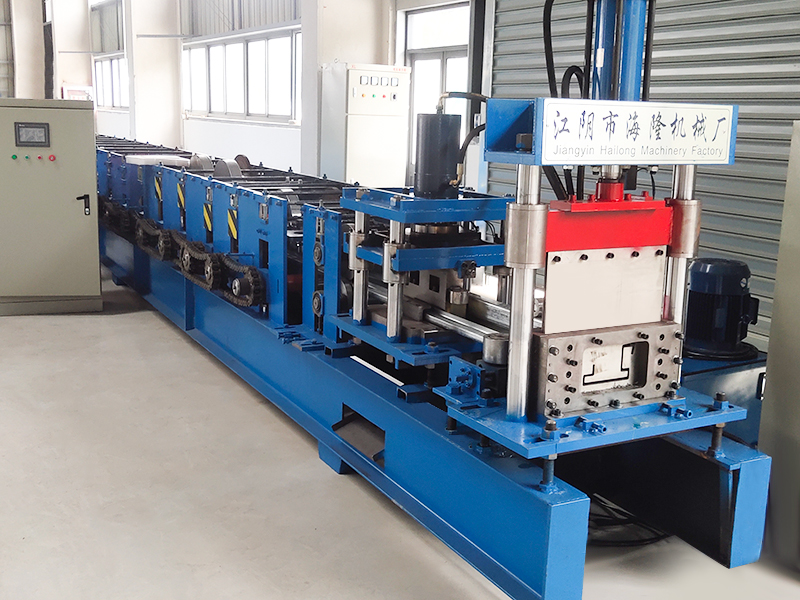
The flatpack container house top beam roll forming machine is specially tailored for the flatpack container roof structure production. Through high-pr...
See Detail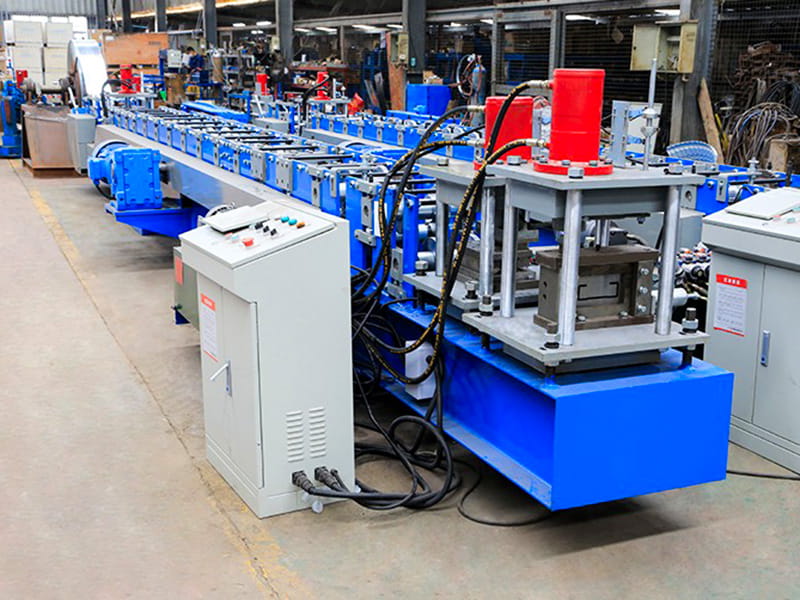
The C-purlin Roll Forming Machine is a core piece of specialized equipment in the manufacturing of steel structure building envelope systems. Using ga...
See Detail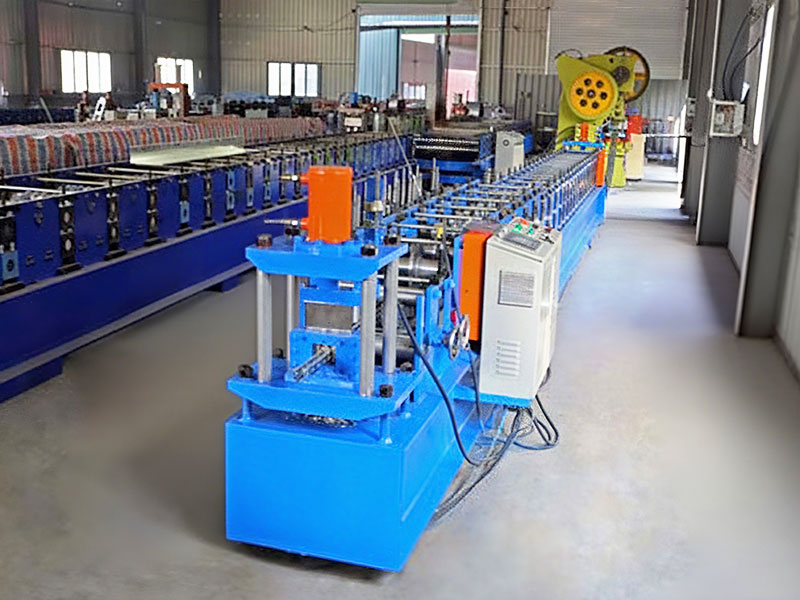
The Solar Strut Channel Roll Forming Machines is a fully automated rolling machine specifically designed for producing metal components for solar phot...
See Detail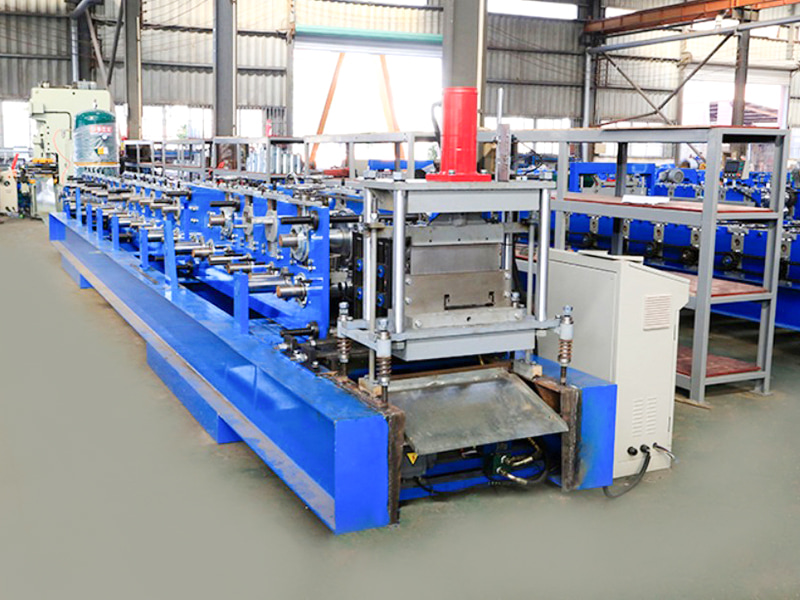
The Scaffold Industry Roll Forming Machines is an automated rolling machine specifically designed for the mass production of steel walkboards (scaffol...
See Detail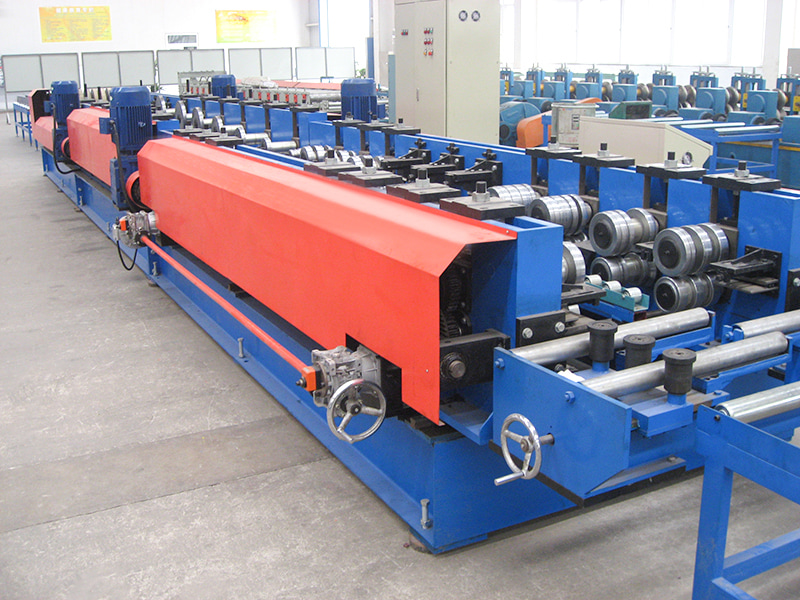
The cable tray roll forming machine is a fully automatic roll forming machine specifically designed for the mass production of metal support component...
See Detail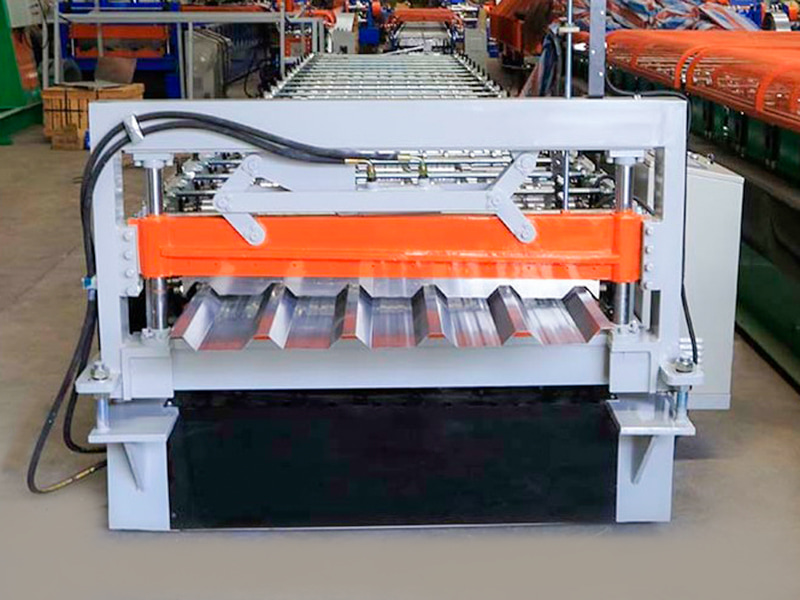
The high speed roofing sheet roll forming machine is a fully automatic sheet metal processing machine designed specifically for the construction indus...
See Detail

Copyright ©Jiangyin Hailong Machinery Factory All rights reserved Roll Forming Machine Manufacturers
