


 English
 中文简体
中文简体 русский
 عربى
عربى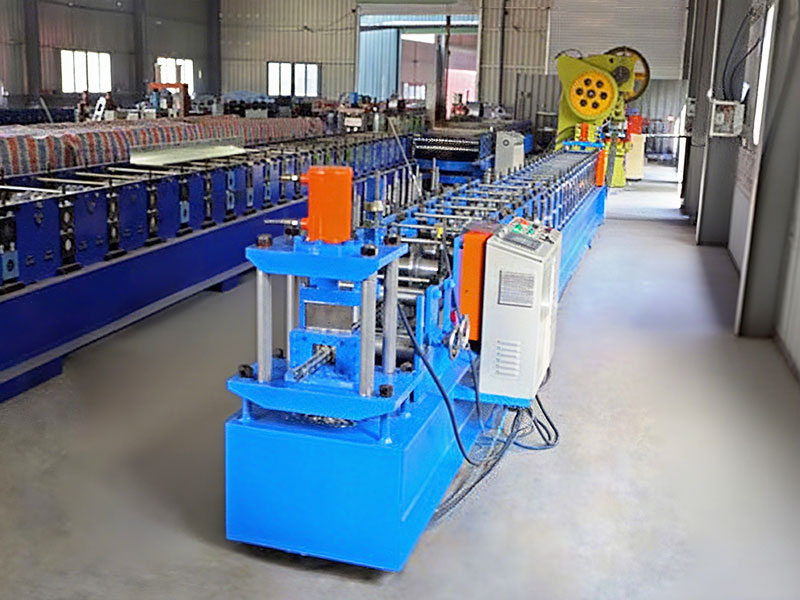
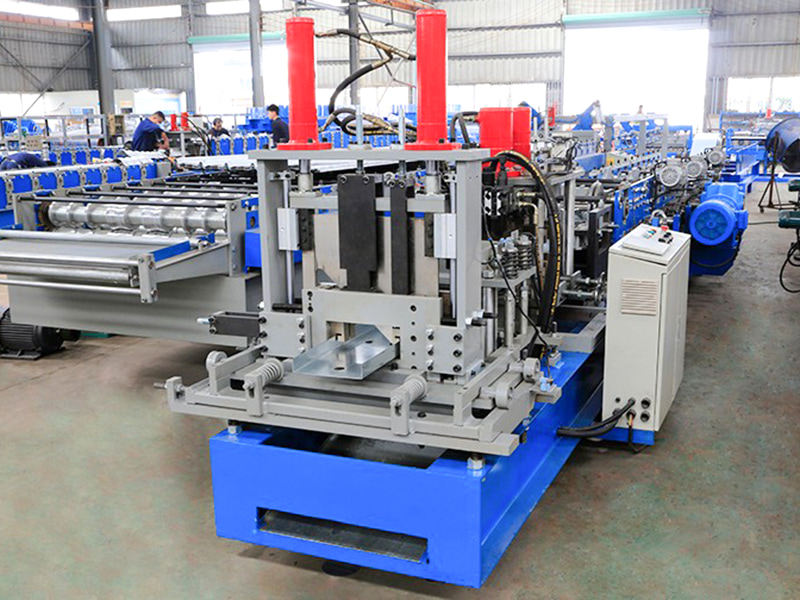
CZ100-300 Type Fully Automatic Purlin Roll Forming Machine
The 100-300 Type CZ Purlin Roll Forming Machine is a versatile, flexible cold-roll forming system specifically designed for steel structure building e...
See DetailContent
The cold-formed steel industry shipped an estimated 18 million metric tons globally in 2025, and purlins—the horizontal structural members that support roof and wall cladding—account for roughly 30% of that volume. Every warehouse, factory, aircraft hangar, and steel-framed commercial building depends on purlins to transfer loads to the main frame. Those purlins originate from a single production system: the purlin roll forming machine.
These machines transform flat steel coil into precisely profiled C, Z, and CU sections in a continuous, high-speed process. They integrate punching, notching, and hydraulic cutting so that each finished purlin emerges with all holes and end details already in place. Understanding the machine types, how they operate, and the selection criteria directly impacts production efficiency and final product quality.
A purlin roll forming line converts steel coil into finished purlins through a sequence of automated stations. The process is continuous, with each station adding incremental shape to the strip without reheating the material.
The entire cycle is managed by a PLC system that recalculates roller positions and punch patterns on the fly when dimensions change, making rapid size transitions possible.
Not all purlin machines are the same. The type you choose depends on the profile shapes you need to produce and the level of flexibility required.
Designed exclusively for C-shaped profiles, these machines use a fixed roller setup optimized for speed and simplicity. They excel in high-volume production where the profile does not change. C purlins are used primarily for wall girts and roof purlins with equal flanges. For a dedicated solution, learn more about C purlin roll forming machines.
Z purlins have unequal flange widths and are lapped at joints to create continuous structural members, making them ideal for long roof spans. Dedicated Z machines are less common; most manufacturers use CZ interchangeable lines that can produce both profiles from a single set of quick-change tooling.
These machines switch between C and Z profiles by adjusting the roll forming stands and punching dies. Changeover time ranges from 10 minutes to under 3 minutes on advanced models. They offer maximum versatility for service centers and building component suppliers. The CZ purlin roll forming machines category covers systems that handle both profiles seamlessly.
CU purlins feature stiffening ribs pressed into the web and flanges, which increase load-bearing capacity without adding steel weight. The roll forming line must incorporate embossing stations to form the ribs. These machines are especially popular in markets where lightweight yet high-strength sections are required. Details on specialized sigma machines can be found under CU purlin roll forming machines.
A modern purlin roll forming line is a modular assembly of equipment that can be scaled to match output requirements. Core components include:
On fully automatic systems, such as the 80300 series, all dimensional changes—web height, flange width, lip size, hole patterns—are executed through the CNC without manual intervention. A single operator can produce an entire run of mixed sizes directly from a job list. The 80300 type CZ purlin roll forming machine exemplifies this capability with changeover cycles measured in seconds.
The output from purlin roll forming lines supports a broad range of construction and industrial applications.
Shifting from semi-automatic or manual methods to a fully integrated roll forming system unlocks measurable gains in productivity and product quality.
Your selection should start with a clear definition of the profiles you intend to produce and the volume you need to support. Below are the critical decision points.
| Criterion | Consideration |
|---|---|
| Profile type | C, Z, CZ interchangeable, or CU sigma. Match the machine to your market demand. |
| Material thickness range | Common ranges span 1.5 mm to 3.0 mm. Confirm the machine’s capacity covers your full specification. |
| Production volume | For over 2,000 tons per month, a fully automatic line with fast changeover is justified. |
| Punching flexibility | Consider the number of punching axes and whether the machine can handle variable hole patterns without manual die swaps. |
| Changeover time | Semi-automatic lines may take 10 minutes per change; fully automatic CNC lines change dimensions in under 60 seconds. |
| Space and layout | Measure your available floor length. A complete line can require 25 to 35 meters. |
| After-sales support | Verify spare parts availability, local service capability, and remote diagnostic support. |
For operations focused exclusively on C purlins, a dedicated 80300 type fully automatic C purlin machine delivers high output with minimal complexity. If your product mix spans C and Z sections, an interchangeable CZ system is the standard choice.
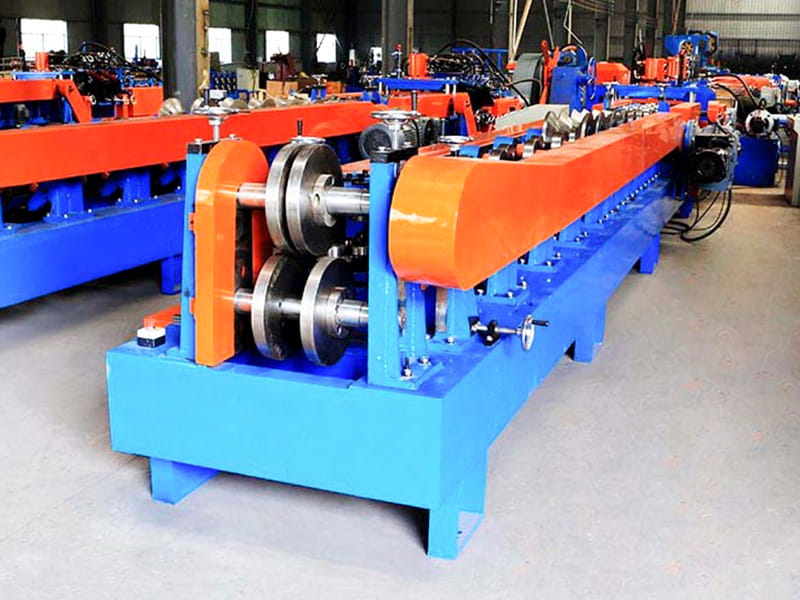
The 100-300 Type CZ Purlin Roll Forming Machine is a versatile, flexible cold-roll forming system specifically designed for steel structure building e...
See Detail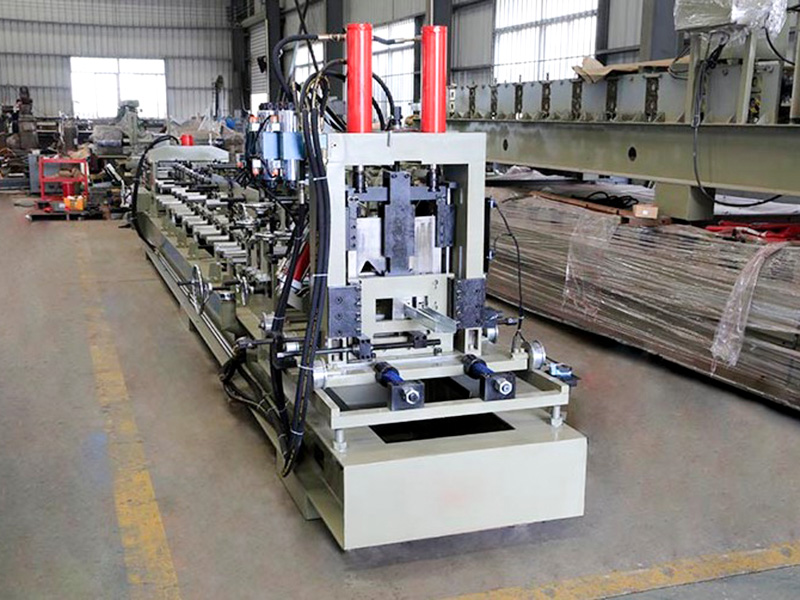
The CU Purlin Roll Forming Machine is a composite cold-roll forming system developed to meet the steel structure construction industry's growing deman...
See Detail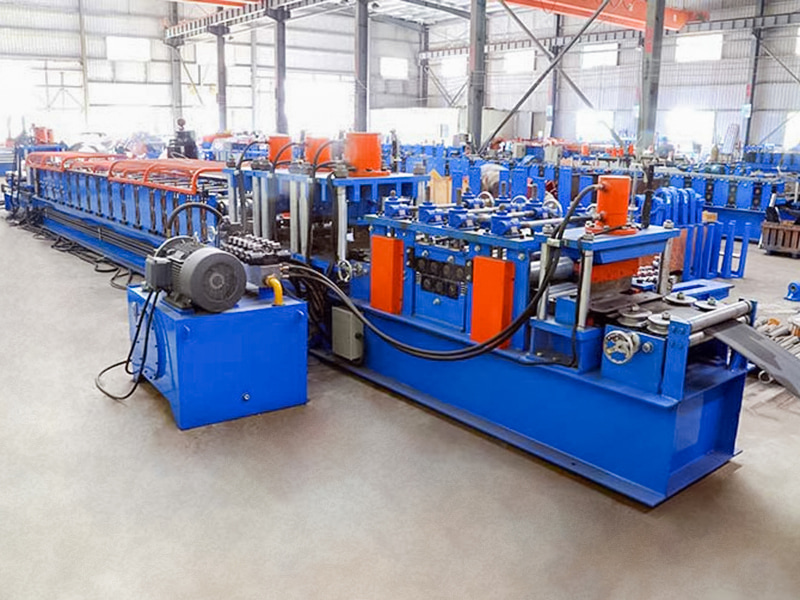
The 80-300 type Fully Automatic C-purlin Roll Forming Machine is a high-performance automated production equipment designed to meet the construction i...
See Detail
The 80-300 type C/U purlin roll forming machine is an automated machine specifically designed for the continuous production of C- and U-shaped purlins...
See Detail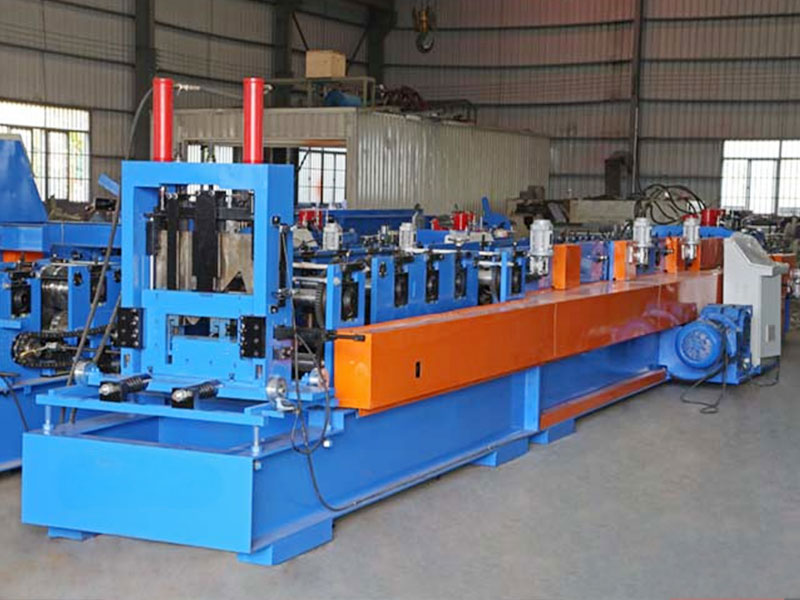
The CZ Purlin Roll Forming Machine is a highly automated industrial machine specifically designed for the efficient and continuous production of C/Z-s...
See Detail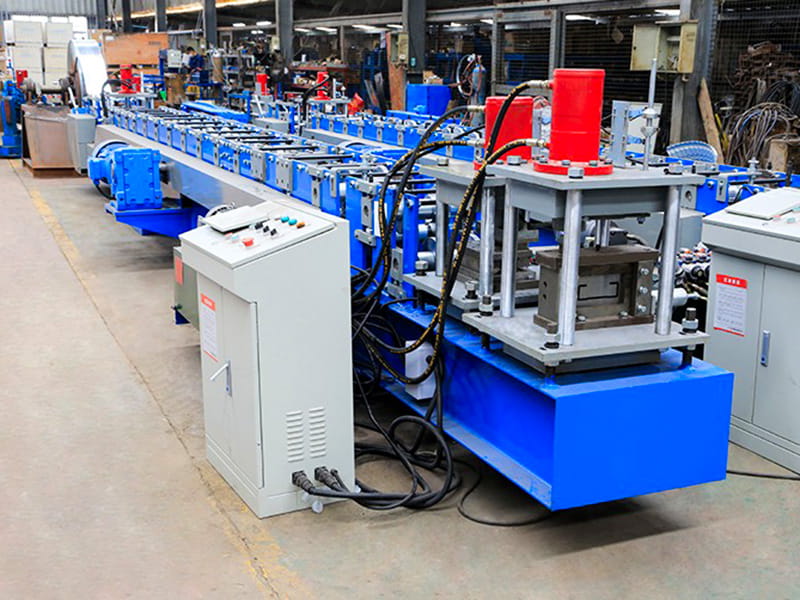
The C-purlin Roll Forming Machine is a core piece of specialized equipment in the manufacturing of steel structure building envelope systems. Using ga...
See Detail

Copyright ©Jiangyin Hailong Machinery Factory All rights reserved Roll Forming Machine Manufacturers
