


 English
 中文简体
中文简体 русский
 عربى
عربى490-Type Metal Standing-seam Roofing Machine
The 490-Type Metal Standing-seam Roofing Machine is a high-end cold-roll forming system designed specifically for producing high-rib standing-seam roo...
See DetailContent
The global metal roofing market was valued at USD 20.4 billion in 2025 and is projected to reach USD 30.6 billion by 2033. Behind every metal roof panel—whether on a warehouse in Texas, a villa in Southeast Asia, or a community building in Africa—sits a roll forming machine converting raw steel coil into finished product at scale. Choosing the right machine is one of the most consequential decisions a roofing manufacturer or contractor can make.
A metal sheet roll forming machine feeds a continuous steel coil through a series of roller stations—typically 12 to 28 passes—each station progressively bending the sheet until the target profile is achieved. Unlike stamping, which shapes one piece at a time, roll forming is a continuous process. The finished sheet is cut to length by a hydraulic or pneumatic flying shear without stopping the line.
Material thickness typically ranges from 0.3 mm to 1.2 mm, covering everything from lightweight residential panels to heavy-gauge industrial decking. The key variables are roller station count (more stations = tighter tolerances on complex profiles), forming speed (standard lines run 8–15 m/min; high-speed lines exceed 25 m/min), and the control system—modern machines use PLC controllers that allow operators to set length and quantity digitally, dramatically reducing manual error.
Not all roofing profiles are produced on the same machine. Here is a practical breakdown:
| Machine Type | Typical Profile | Best For |
|---|---|---|
| IBR Sheet Roll Forming | Trapezoidal / IBR | Industrial roofs, warehouses |
| Corrugated Sheet Roll Forming | Sinusoidal wave | Agricultural, low-cost housing |
| Metal Roofing Tile Roll Forming | Glazed / stepped tile | Residential, villas, commercial facades |
| Standing Seam Roll Forming | Concealed fastener seam | Premium residential, airports, stadiums |
| Double Layer Roll Forming | Two profiles, one machine | Factories needing flexible output |
The double layer machine deserves special attention for buyers with space or budget constraints: a single production line carries two sets of roller tooling, switchable via the control panel. Output variety doubles without the capital cost of a second machine.
Glazed tile profiles are gaining market share fast—they offer the aesthetic of clay tiles at a fraction of the weight (typically 4–6 kg/m²) and cost. When evaluating a metal roofing tile roll forming machine, the profile designation tells you everything: a YX25-162-810 machine produces tiles with a 25 mm corrugation height, 162 mm pitch, and 810 mm effective coverage width per sheet. These three numbers determine drainage performance, structural load behavior, and how many sheets are needed per square meter of roof.
For residential projects, a corrugation height of 18–28 mm combined with a forming speed of 8–12 m/min covers most demand. Larger commercial orders justify higher-speed configurations. Always verify that the machine supplier can provide sample panels before full production begins—roller wear and material springback differ across steel grades and coatings.
Before committing to a purchase, verify four things: roller material and hardness (GCr15 bearing steel, hardness HRC58–62 is the industry benchmark), whether the control system supports remote diagnostics, lead time and spare-roller availability in your region, and whether trial production with your own coil material can be arranged at the factory. A supplier confident in their product will agree to all four without hesitation.
The right metal sheet roll forming machine reduces waste, shortens lead times, and gives your roofing business a measurable cost advantage over competitors still relying on pre-cut panels. With metal roofing demand expanding at a 5.2% CAGR through 2033, the window to scale production capacity at favorable equipment prices will not stay open indefinitely.
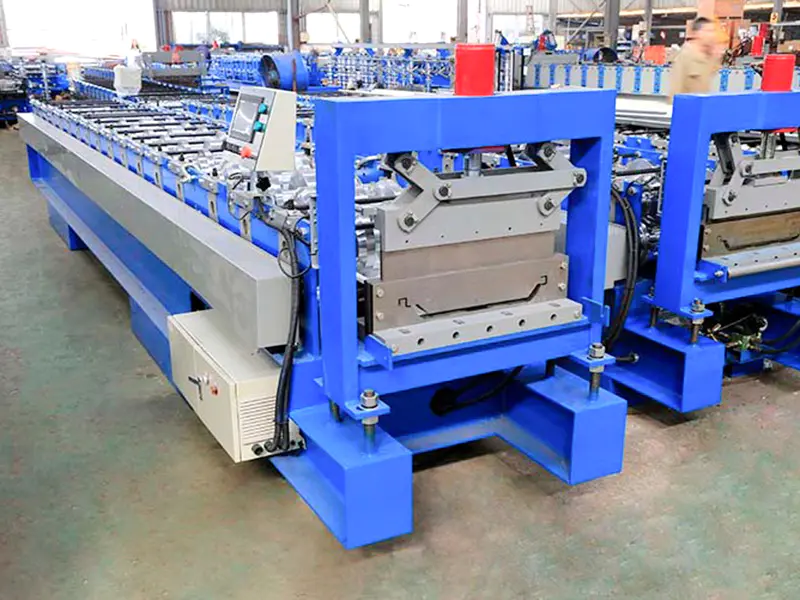
The 490-Type Metal Standing-seam Roofing Machine is a high-end cold-roll forming system designed specifically for producing high-rib standing-seam roo...
See Detail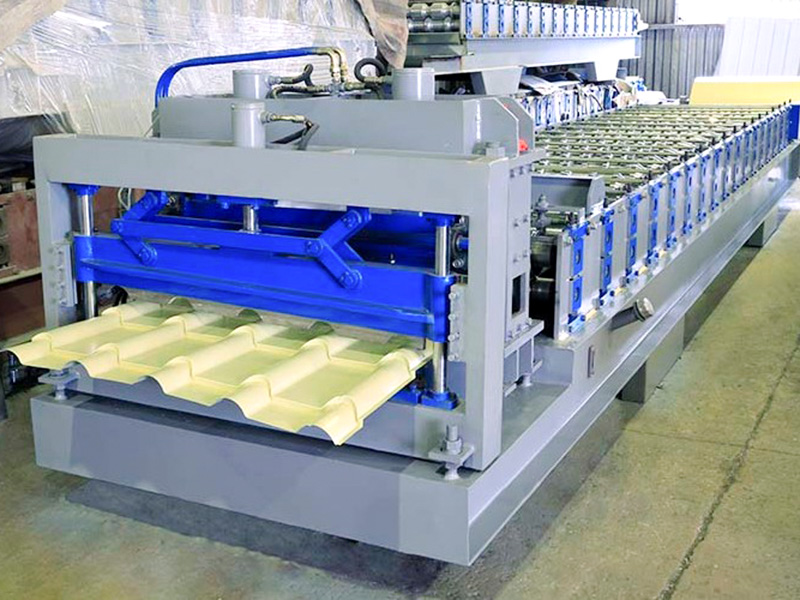
The Metal Glazed Tile Roll Forming Machine is specialized equipment designed to process color-coated steel coils into antique-style glazed tiles (S-sh...
See Detail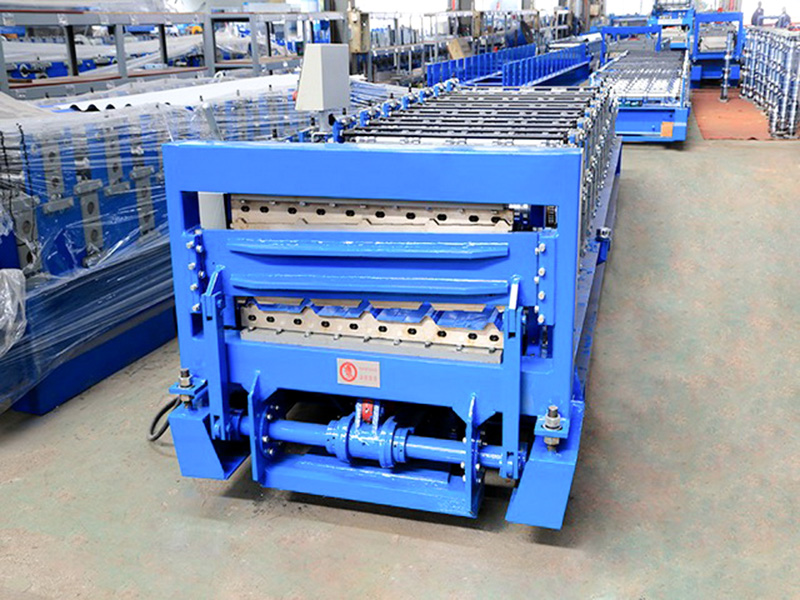
The 845/900-Type Double Layer Roofing Sheet Roll Forming Machine is a composite system that integrates two sets of roll-forming tooling—designed for I...
See Detail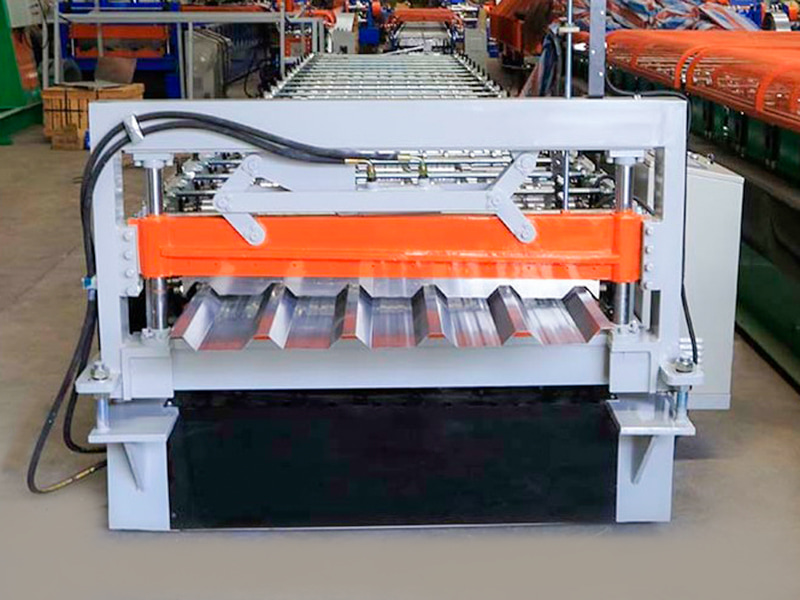
The high speed roofing sheet roll forming machine is a fully automatic sheet metal processing machine designed specifically for the construction indus...
See Detail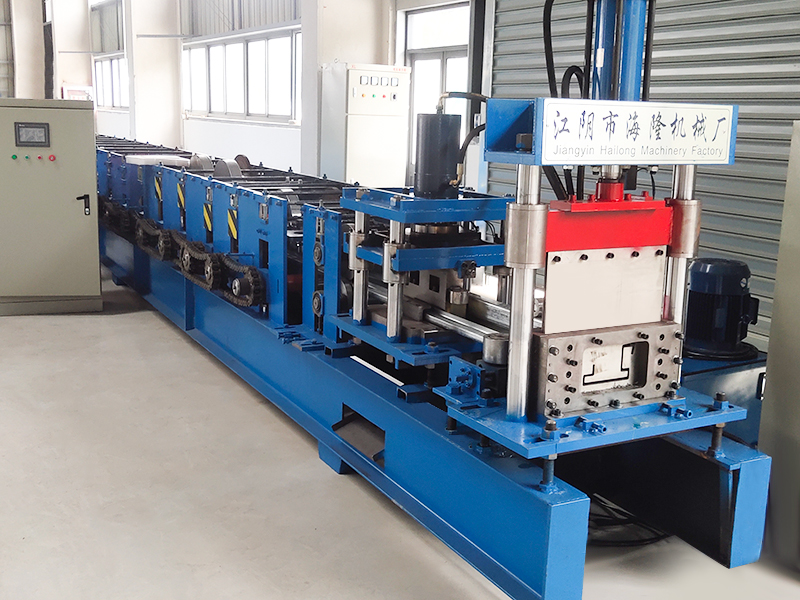
The flatpack container house top beam roll forming machine is specially tailored for the flatpack container roof structure production. Through high-pr...
See Detail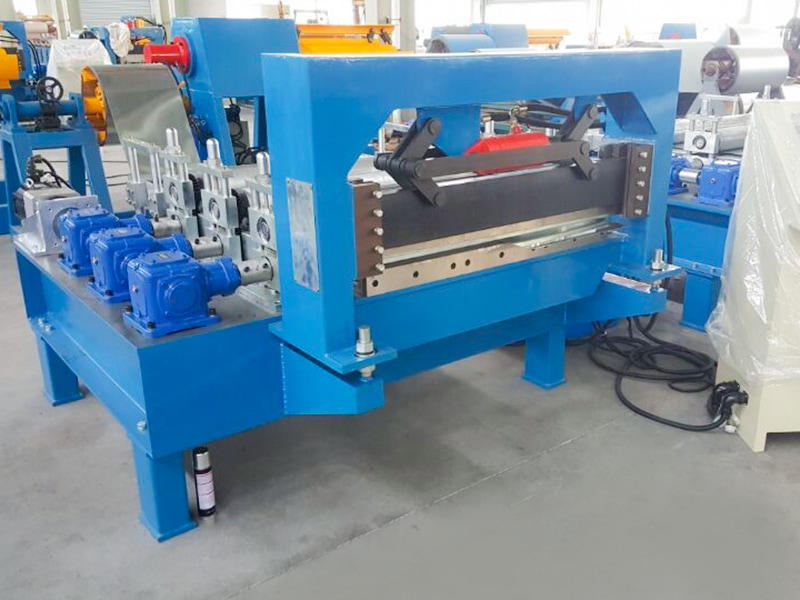
The Simple Coil Flattening and Cutting Machine is an economical two-in-one machine for pre-processing metal sheets, offering a simple structure, basic...
See Detail

Copyright ©Jiangyin Hailong Machinery Factory All rights reserved Roll Forming Machine Manufacturers
