


 English
 中文简体
中文简体 русский
 عربى
عربىCZ100-300 Type Fully Automatic Purlin Roll Forming Machine
The 100-300 Type CZ Purlin Roll Forming Machine is a versatile, flexible cold-roll forming system specifically designed for steel structure building e...
See DetailContent
Steel structure buildings live or die by their secondary framing. Roof loads, wind uplift, and panel weight all travel through one critical component before reaching the primary frame: the purlin. Choosing the wrong purlin roll forming machine — or a machine that can't keep pace with project volume — means bottlenecks, cost overruns, and structural compromises. Here is what you actually need to know before making a decision.
Not all purlin roll forming machines produce the same profiles, and the shape difference is not cosmetic — it determines structural behavior. C-shaped purlins are the most widely used: their symmetric web transfers loads cleanly and the profile is simple to stack, transport, and bolt. A dedicated C-section purlin forming machine is the right call when your project volume is high, specifications are fixed, and production speed is the priority.
Z-shaped purlins, by contrast, allow continuous-span lapping at supports — the asymmetric profile means adjacent purlins can overlap directly, which significantly increases load-carrying capacity across long spans. This is the reason large industrial sheds and warehouses nearly always specify Z sections on roof rafters while using C sections on walls.
The practical question for most fabricators is not C versus Z, but whether to run two separate machines or invest in one interchangeable unit. CZ interchangeable purlin roll forming machines solve this directly: a single production line switches between C and Z mode, handling profiles from 80mm to 300mm in total height. The mode-change time on a properly configured CZ machine is around 15 minutes — fast enough that mixed-profile EPC projects no longer require dual equipment. If your work also includes U-channel for hat sections or cable tray framing, CU purlin roll forming machines extend that same interchangeability to C and U profiles.
Production speed is the number buyers focus on first — and rightly so. A well-built CZ purlin machine runs at 25 to 30 meters per minute, which translates to enough structural framing for a mid-size industrial building in a single shift. But speed alone is misleading if the machine cannot maintain dimensional accuracy at that rate.
| Parameter | Specification |
|---|---|
| Profile Height Range | 80mm – 300mm |
| Raw Material Width | 175mm – 480mm |
| Material Thickness | Up to 3.0mm (Q235 galvanized coil) |
| Production Speed | 25 – 30 m/min |
| Forming Groups | 20 stations |
| Main Motor Power | 25 kW (inverter-controlled) |
| Cut-Off Mode | Hydraulic flying cut (11 kW station) |
| Control System | Siemens / Schneider PLC + touchscreen |
| Production Line Length | ~25 meters |
| Equipment Weight | ~12 tons |
The roller material matters far more than most buyers realize. Rollers made from Cr12Mo1V1 tool steel with vacuum hardening maintain their profile geometry through millions of forming cycles; cheaper roller steel wears progressively, causing dimensional drift that shows up as fitment problems on site. Main shaft diameter (φ90, 40Cr hardened and tempered is a reliable benchmark) determines whether the machine can handle thicker coil stock without deflection. Auxiliary equipment — uncoilers, leveling machines, and cut-to-length lines — also needs to match the main line's throughput. Undersized auxiliary machines for roll forming lines become the bottleneck regardless of how fast the forming section runs.
The demand drivers for purlin forming equipment are straightforward. Industrial EPC projects require both C and Z sections on the same site — C for perimeter wall girts, Z for roof rafters — making a single interchangeable machine the economical choice over two dedicated lines. A CZ machine handling one project alone reduces logistics coordination and can shorten structural framing cycles by roughly 30% compared to sourcing profiles from separate production runs.
Photovoltaic installations have become one of the fastest-growing application segments. Flat-roof solar farms use C purlins with pre-punched bracket slots; sloped-roof systems transition to Z sections to allow the 10–15° tilt overlap that panel mounting requires. A fabricator supplying both project types from one machine avoids the certification inconsistencies that arise when mixing profiles from different sources. Agricultural greenhouses, storage shelving systems, and pre-engineered building exporters serving American (AISI) or European (EN) standard markets all represent stable, recurring demand for volume purlin production.
The machine frame is the foundation everything else depends on. National-standard I-beam steel with fully welded construction resists the cyclic loading that gradually loosens bolted-frame designs. The hydraulic system brand is an equally reliable quality indicator: established brands like Beijing Huade have traceable parts supply chains, which matters when a hydraulic seal fails at 2 a.m. before a delivery deadline.
PLC control from Siemens or Schneider means the programming environment is familiar to local technicians in most markets, reducing downtime when parameters need adjustment. Verify that the uncoiler load rating matches your heaviest expected coil — a 5-ton hydraulic uncoiler with loading platform is the baseline for commercial-scale production.
Finally, ask about the manufacturer's after-sales infrastructure before signing. Spare rollers, documentation in your working language, and remote commissioning capability are not premiums — they are the difference between a machine that earns its capital cost back in year one and one that sits idle waiting for parts. Review the full purlin roll forming machine lineup against your actual project profile mix before committing to a single machine type.
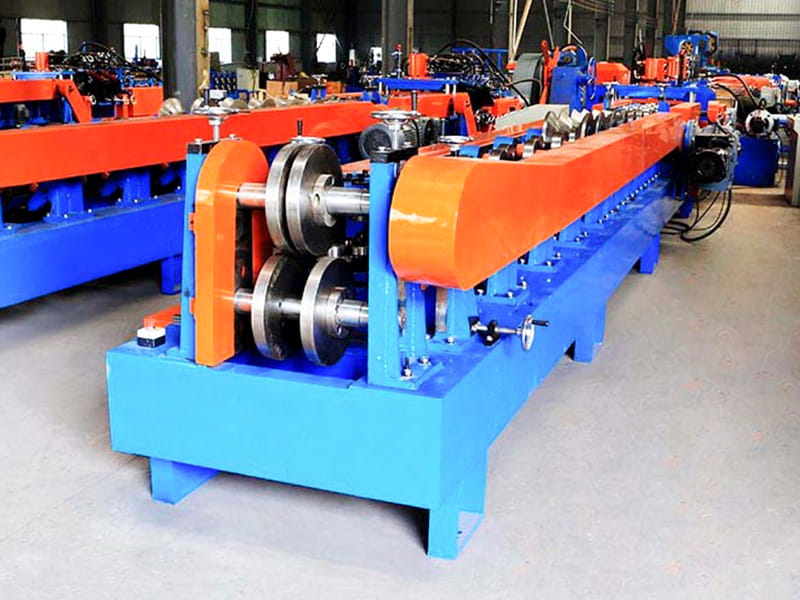
The 100-300 Type CZ Purlin Roll Forming Machine is a versatile, flexible cold-roll forming system specifically designed for steel structure building e...
See Detail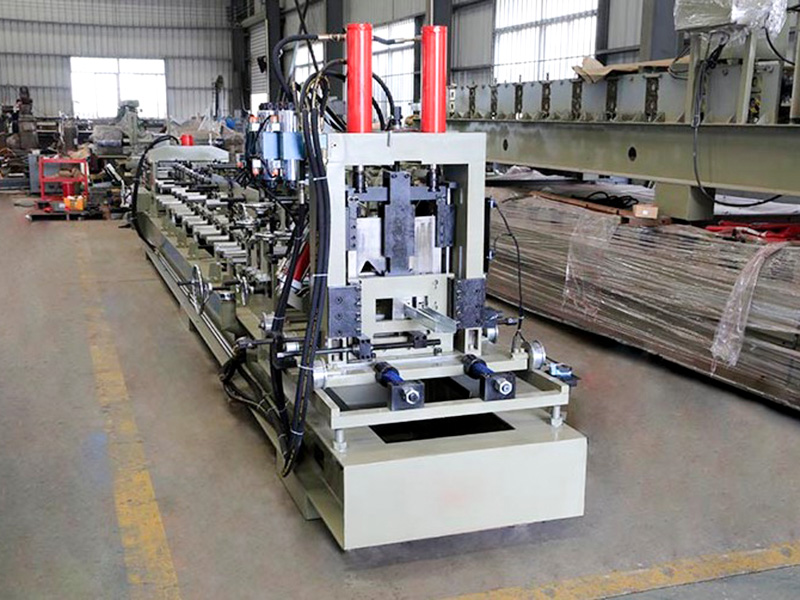
The CU Purlin Roll Forming Machine is a composite cold-roll forming system developed to meet the steel structure construction industry's growing deman...
See Detail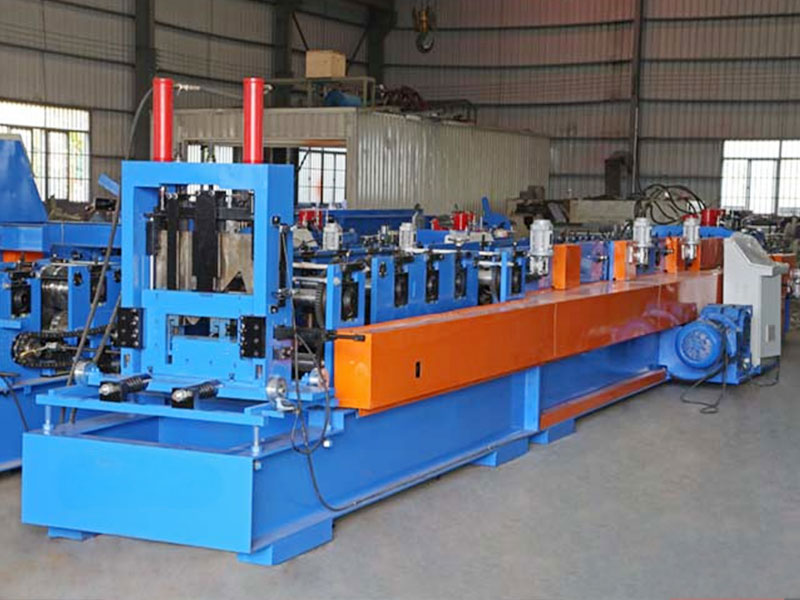
The CZ Purlin Roll Forming Machine is a highly automated industrial machine specifically designed for the efficient and continuous production of C/Z-s...
See Detail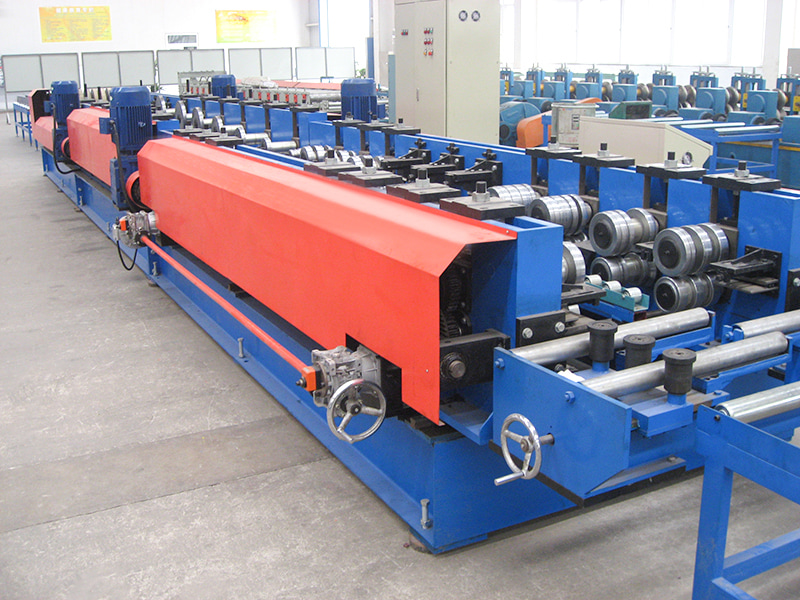
The cable tray roll forming machine is a fully automatic roll forming machine specifically designed for the mass production of metal support component...
See Detail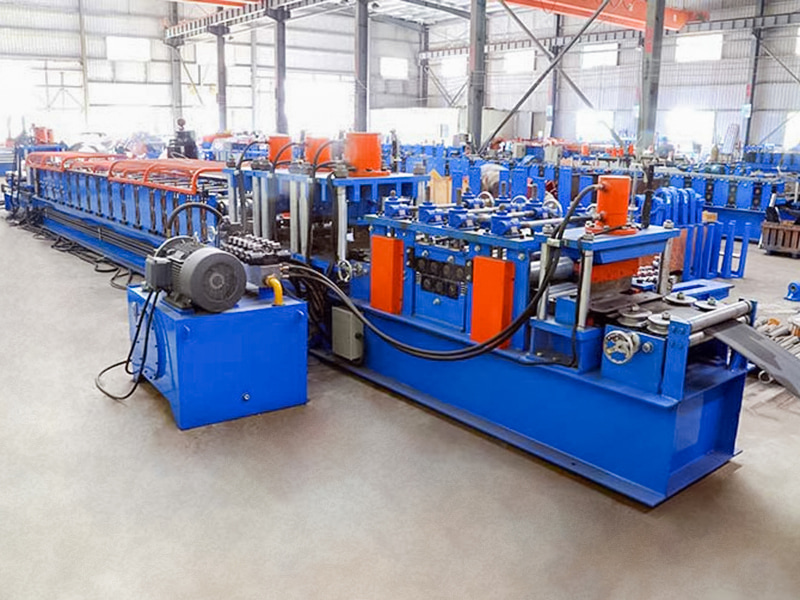
The 80-300 type Fully Automatic C-purlin Roll Forming Machine is a high-performance automated production equipment designed to meet the construction i...
See Detail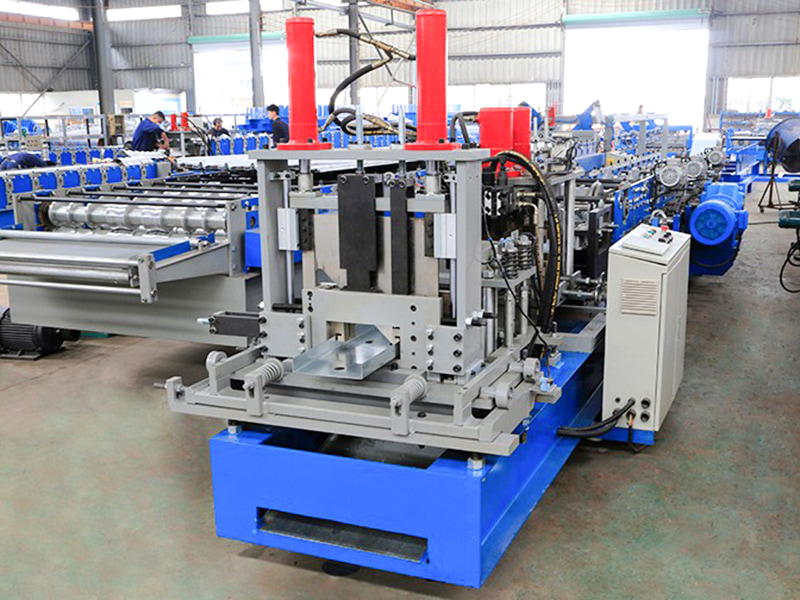
The 80-300 type C/U purlin roll forming machine is an automated machine specifically designed for the continuous production of C- and U-shaped purlins...
See Detail

Copyright ©Jiangyin Hailong Machinery Factory All rights reserved Roll Forming Machine Manufacturers
